Spanish City Offers Palaces, Tapas and Few Tourists
The coastal destination is seeking more visitors while Barcelona faces complaints from some residents.
A different Spanish city break
Zaragoza, the capital of Aragon, offers an inland alternative to Spain’s heavily visited coastal destinations. The city combines monumental architecture, Moorish heritage, intimate public spaces and inexpensive food, yet it receives only a fraction of the overnight visitors recorded in Barcelona or Valencia. It is also presented as a safe destination that would welcome greater tourism.
Its setting helps explain the lighter crowds. Zaragoza is 153 miles from the closest Mediterranean coast, removing it from the usual beach itinerary. Travelers exploring inland Spain often concentrate on Madrid instead, while the additional 1.5-hour train journey discourages many from adding Zaragoza to their plans. The visitors who do arrive have historically included Spaniards, people with family connections to the area, travelers passing through and enthusiasts specifically interested in mudéjar landmarks.
Palaces and riverside landmarks
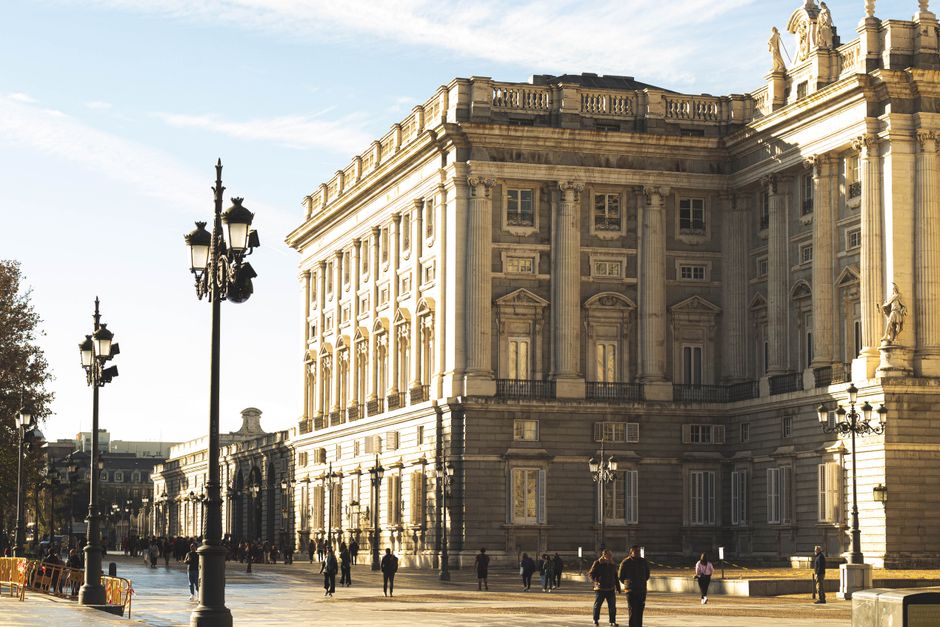
The city’s architectural appeal reaches back centuries. Its headline attractions include palaces dating from the 11th century and a large basilica beside the river. With several towers and a commanding position, the basilica defines Zaragoza’s skyline and gives the waterfront a dramatic focal point.
Sightseeing is concentrated around a compact Historic Center rather than spread across a vast metropolitan area. Tree-covered plazas break up its streets, while family-operated tabernas give visitors places to pause between historic sites. Moorish influence is another defining part of the city’s cultural identity, particularly for travelers drawn to mudéjar architecture.
That combination makes Zaragoza suitable for a short break focused on walking, architecture and food. The experience is notably different from the beach-oriented traffic associated with Barcelona, Malaga and Mallorca, and from the larger stream of cultural visitors heading directly to Madrid.
Far fewer overnight visitors
The difference in tourism volume is substantial. During 2025, approximately 0.7 million people spent at least one night in Zaragoza. Valencia averages 2.5 million visitors, while Barcelona’s annual average reaches 9 million. Those figures leave Zaragoza with considerably more room for travelers who prefer historic attractions without the same concentration of tourists.
Zaragoza has consequently remained one of Spain’s more overlooked city-break choices, although interest has recently begun to grow. Local ambitions now point toward changing its position in the national tourism landscape rather than keeping it primarily dependent on domestic guests and occasional international visitors.
A larger airport from 2027
The Government of Aragon is promoting Zaragoza as a destination for shorter stays, with expanded air access at the center of that effort. From 2027, Zaragoza International is planned to develop from a small regional airport into a medium-sized hub. Its expansion calls for connections with 31 additional destinations spread among 15 countries in Europe.
Planned routes include Manchester, Porto, Prague, Budapest, Warsaw and Krakow. Naples and Palermo are among several Italian cities expected to gain links, while Paris is also included. Another connection is due to serve a hub in Switzerland, though that location remains pending. The route list is not exhaustive, suggesting the final network may extend beyond the cities already identified.
Direct Transatlantic service is not currently planned. Even so, Americans can connect through Spain using domestic flights that generally cost less than $40. Rail service from Madrid or Barcelona provides another practical route into Zaragoza.
Tapas at accessible prices
Food adds another reason to make the trip. Tapas can cost €3, allowing visitors to sample Zaragoza’s tabernas without the expense often associated with better-known destinations. The city has a large collection of tapas bars and cozy traditional establishments, supporting the argument that it deserves recognition alongside Madrid and Seville as a leading tapas destination.
For U.S. passport holders traveling to Europe, preparation should also include checking the applicable entry rules. The requirements may involve fingerprinting and stronger border controls, so travelers who have not visited recently should confirm the documents and formalities that apply before departure.
- Zaragoza is 153 miles from the nearest Mediterranean shoreline.
- Around 0.7 million visitors stayed overnight during 2025.
- Airport expansion from 2027 includes 31 additional destinations in 15 European countries.
- Domestic flights within Spain typically cost under $40.
- Tapas can cost €3.
Summarized from the reporting above. Read it for the full story.
Winter weeks, altitude, and a fire at the end of the day. Tell us what the trip should feel like and we'll shape complete options you can compare.
Ask 4Vacations →
Share this story