Israel Bars Dual-Nationality Crew From Tel Aviv Flights
The restriction covers pilots and flight attendants with nationality ties to 31 countries.
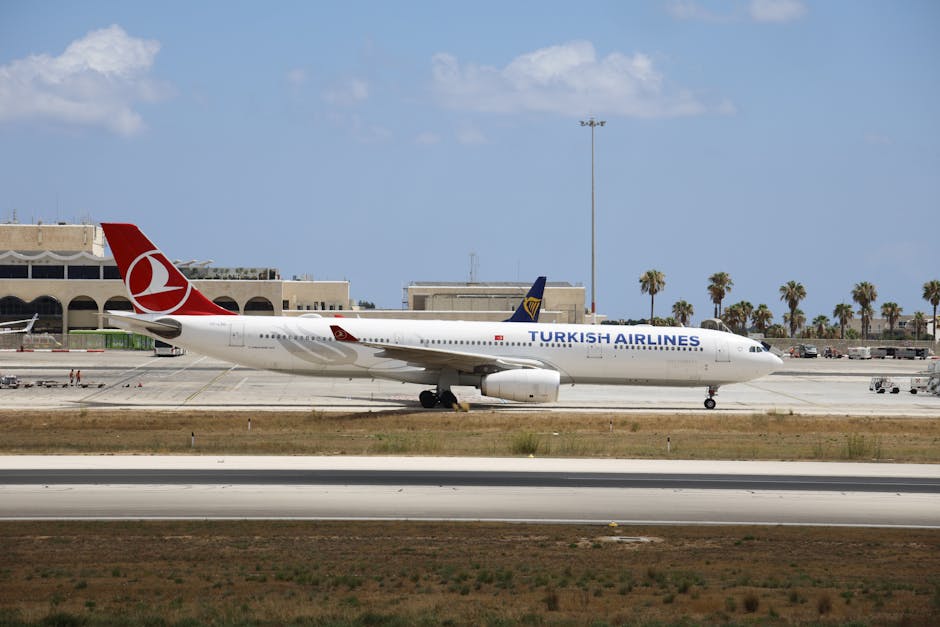
A broader crew restriction
Foreign carriers serving Tel Aviv are being instructed by Israeli authorities to exclude certain pilots and flight attendants from those assignments. The rule covers crew members who possess nationality from any of 31 countries without diplomatic relations with Israel. It also reaches dual nationals, including people who hold another passport from a country that maintains good relations with Israel.
A valid US passport does not override the restriction. Someone who also has nationality from a country on the prohibited list cannot operate the service, regardless of where that person grew up or whether any current connection to the listed country remains. The requirement applies across foreign airlines flying into Tel Aviv, rather than to a single carrier.
The affected nationalities include Afghanistan, Algeria, Bangladesh, Brunei, Comoros, Cuba, Djibouti, Indonesia, Iran, Iraq, Kuwait, Lebanon, Libya, Malaysia, Maldives, Mali, Mauritania, Niger, North Korea, Oman, Pakistan, Qatar, Saudi Arabia, Somalia, Sudan, Syria, Tunisia, Venezuela and Yemen. Israel had reportedly maintained a prohibition concerning aircrew from countries lacking diplomatic ties, but it had not appeared to be consistently enforced. The latest direction both activates that policy and extends it to dual citizens.
United alerts its crews
United Airlines has already circulated an internal notice explaining the change to its pilots and flight attendants. The warning says employees with dual nationality involving one of the named countries will not be allowed to work services to Israel. Other international operators serving Tel Aviv have also received the updated requirement.
For airlines, compliance now depends on nationality information as well as the passport a crew member might normally use for travel. Carriers must ensure their rosters do not assign an affected employee to a Tel Aviv flight. The consequence for travelers is primarily operational: foreign airlines may need to alter which qualified employees they place on these routes, even when those workers have long lived elsewhere.
The September 30 incident
The change follows the disruption of an alleged attack aboard a packed Flydubai aircraft on September 30. Prosecutors say First Officer Hamam al-Hammami tried to disable the Captain, seize control of the plane and strike the main terminal at Tel Aviv Ben Gurion Airport. Passengers and two pilots who were traveling off duty intervened, preventing the alleged plan from proceeding.
Al Hammami was from Oman, which has no diplomatic relations with Israel. Before the incident, he had completed two Tel Aviv flights without trouble. His identifying information, including his passport number and the issuing country, was supposed to reach Israeli officials before those operations. Prosecutors allege that he selected an aviation career to pursue an attack modeled on 9/11 and chose Flydubai because it regularly operated Tel Aviv services. They also allege that he used his two earlier trips to prepare.
Earlier concerns about the pilot
Questions also surround the employment checks that preceded Al Hammami’s position at Flydubai. His former employer, Oman Air, had learned about his extremist views and was reportedly concerned enough to remove him from flying duties and place him in an office role. Nevertheless, he subsequently worked for Royal Air Maroc and later joined Flydubai.
The nationality-based rule addresses access to Israel flights, but it does so through a wide category rather than an individual assessment of a crew member’s history. Its reach includes people with almost no continuing relationship to the relevant country. The underlying security reasoning is presumed to be that people connected to states without Israeli diplomatic relations could face greater exposure to hostility toward Israel or become more vulnerable to extremism. At the same time, nationality alone does not account for radicalization among citizens of countries that do maintain strong diplomatic ties with Israel.
What changes for travelers
Passengers do not need to meet a new requirement under this directive; the obligation falls on airlines and their crews. The practical change occurs behind the scenes as operators check nationality status before staffing Tel Aviv services. Travelers may therefore see carriers reorganize crew assignments while continuing to comply with Israel’s security conditions.
The policy marks a stricter stage in Israel’s handling of foreign flight crews after the thwarted attack. It closes the apparent enforcement gap that had allowed Al Hammami to operate earlier trips and introduces a broader disqualification for dual nationals, including those traveling on valid US passports.
- The restriction covers dual nationals connected to 31 countries.
- A valid US passport does not create an exemption.
- Foreign airlines must screen crew assignments for Tel Aviv services.
- The alleged Flydubai attack was thwarted on September 30.
- United Airlines has notified its pilots and flight attendants.
Summarized from the reporting above. Read it for the full story.
Winter weeks, altitude, and a fire at the end of the day. Tell us what the trip should feel like and we'll shape complete options you can compare.
Ask 4Vacations →

Share this story