Repeat Flight Searches Rarely Affect the Fare You See
A Dutch review found frequent price changes, but scant evidence that airlines tailor fares to individual shoppers.
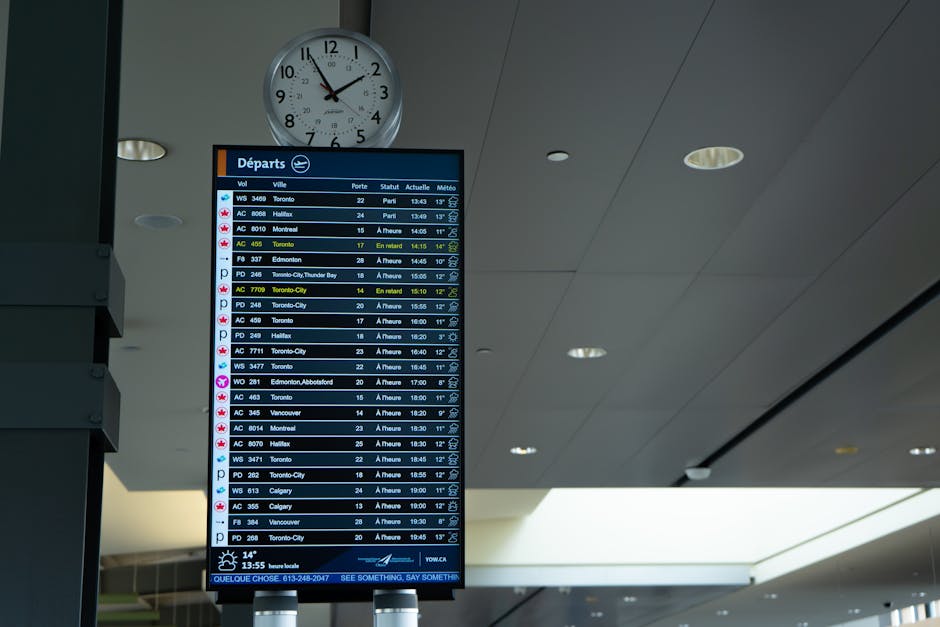
Why fares appear to jump
Returning to the same itinerary and seeing a higher fare can feel personal. The tempting explanation is that a carrier recognized a repeat visitor, interpreted that interest as eagerness to travel and increased the charge. A large Dutch investigation found little support for that explanation. Earlier searches and the type of device used by a customer did not account for the offers presented.
The reasoning behind the suspicion is also incomplete. Leaving without completing a purchase may indicate that the original offer was unappealing. In that situation, reducing the fare could encourage a booking, while an increase could send the customer to another carrier or persuade them to abandon the journey. Competition creates another constraint: when one airline asks too much, a rival may win the sale by offering less.
A large pool of bookings
The Netherlands Authority for Consumers and Markets reached its findings after speaking with industry participants, requesting information and examining transaction data. Its analysis included over 14 million purchases involving 155,417 individual flights. Those departures covered 56 routes chosen for the review and operated during the period beginning in July 2022 and ending in July 2025.
The findings draw an important distinction between prices that change dynamically and prices customized for one particular shopper. Dynamic movement was common throughout the data. Individualized treatment based on browsing behavior, however, appeared to be scarce. That difference explains how someone can encounter a new amount on a return visit even though the airline has not raised the fare specifically for that person.
Prices move as seats sell
For a comparable ticket, the typical flight displayed around 30 to 35 separate price points while it remained available for purchase. Several ordinary developments can alter what is offered between one search and the next. Other travelers may reserve seats, existing customers may cancel, and carriers may adjust their expectations about demand. Airlines can also publish new fares in reaction to competitors.
These changes occur while an undecided traveler is away from the booking screen. The next search therefore takes place in a market that may have shifted, even if only a short part of the selling period has passed. A different result does not, by itself, demonstrate that browsing history caused the increase. It may simply reflect newly available inventory or a different fare now attached to the remaining seats.
How airlines separate customers
Carriers have long tried to fill seats at discounted prices without automatically extending those savings to everyone willing to pay more. They can separate customers through the terms attached to a ticket rather than by recognizing a particular computer. Advance-purchase conditions, requirements involving a Saturday-night stay and restrictions placed on cheaper fares have all been used for that purpose.
Basic economy applies a related approach. A traveler signals that saving money matters by accepting a product with fewer attractive features. The distinction is based on the option selected and its limitations, not necessarily on the identity of the device making the search. Such fare structures allow an airline to appeal to more price-sensitive customers while retaining higher-priced choices for people who value greater flexibility or amenities.
Belief remains widespread
Consumer expectations were notably different from the transaction evidence. Among people surveyed by the Dutch regulator, 46% believed their past searches could affect the amount shown. Another 25% thought the device used for shopping could influence the price. Those beliefs help explain why travelers may change how they browse when an airfare rises between visits.
Earlier controversies also show how easily recommendations or refreshed searches can be mistaken for individualized price penalties. In 2012, Orbitz observed that Mac users had a greater tendency to reserve premium hotels and tested recommendations intended to match that preference. Orbitz later said the operating-system test applied to its recommendation module, not the first arrangement of results. The experiment ran for about one month and ended after failing to meaningfully improve engagement.
A more recent viral example involving United appeared to show a senior citizen facing an additional $400 charge. United said that changing the traveler’s age launched another search. That refresh replaced an itinerary combining coach and first class with one using first class for both flights. For travelers comparing airfare, the practical lesson is to examine the ticket, cabin combination, restrictions and remaining inventory before treating a changed price as evidence that repeat searching caused it.
- The review examined over 14 million purchases involving 155,417 flights.
- The 56 selected routes covered flights operated from July 2022 through July 2025.
- A typical flight showed about 30 to 35 prices for a comparable ticket.
- Past searches and device choice did not explain the fares offered.
- Among surveyed consumers, 46% suspected search history and 25% suspected device choice.
Summarized from the reporting above. Read it for the full story.
Winter weeks, altitude, and a fire at the end of the day. Tell us what the trip should feel like and we'll shape complete options you can compare.
Ask 4Vacations →

Share this story