Unusual bleeding can be a sign of endometrial cancer
Symptoms may resemble perimenopause, making candid conversations with healthcare professionals especially important.
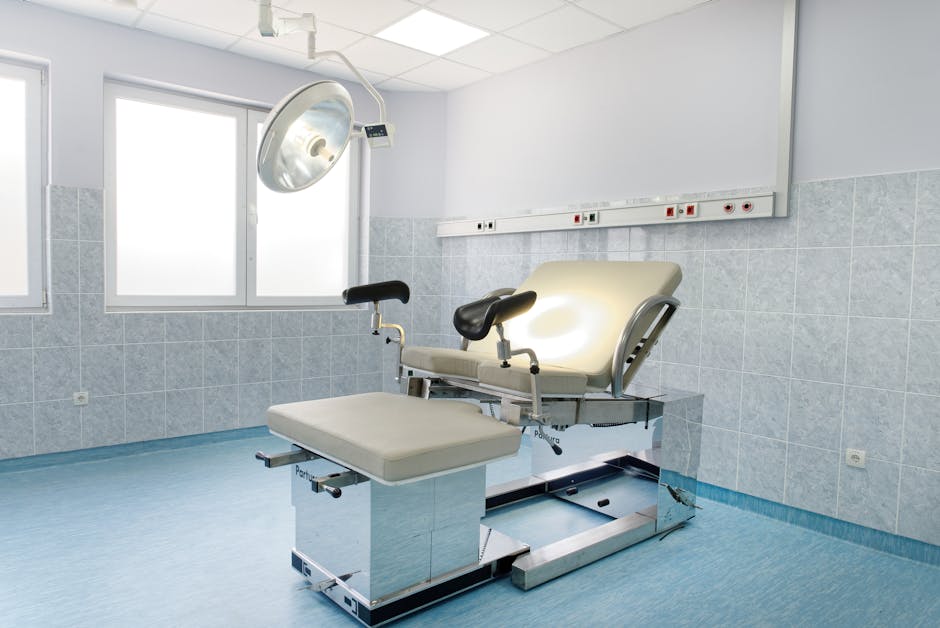
Unexpectedly heavy periods, bleeding between cycles and spotting after menopause can warrant medical evaluation. Endometrial cancer develops in the uterus’s inner lining and may produce these symptoms. Abnormal bleeding occurs in 90 percent of cases, yet more than a third of affected women do not recognize it as a possible warning. Embarrassment and assumptions about aging or menopause can also delay these conversations.
Amy first attributed an unusually heavy period to a routine change. When severe bleeding returned months later, it interfered with her school responsibilities and prompted an emergency room visit. Staff reassured her when she felt embarrassed describing the bleeding. A gynecology follow-up included a biopsy, which revealed endometrial cancer.
The disease occurs most often after menopause, with diagnosis averaging age 60, but it can affect a person with a uterus at any age. Gynecologic oncologist Lindsey McAlarnen said she is encountering more diagnoses among younger patients who have not reached menopause. Because perimenopause can also bring irregular bleeding, healthcare professionals rely on specific symptom details to decide when additional testing is appropriate.
- A Pap test checks for cervical cancer, not endometrial cancer.
- Amy’s gynecologist performed the biopsy that found her cancer.
- Fred and Pamela Buffett Cancer Center oncologist Lindsey McAlarnen treated Amy.
Summarized from the reporting above. Read it for the full story.

Our one-page guide to chair height, screen height and where your feet go. Free at the front desk or by request.
A five-minute check of your everyday posture at your desk, in the car, and on your feet. No obligation, no pressure.
Reserve a spot →


Share this story