Keeping Weight Off After GLP-1 Treatment Takes a New Routine
Nutritionist Kim Pearson says maintenance needs its own eating, movement and monitoring plan.
Regaining weight is common when GLP-1 treatment ends. In a major semaglutide study, participants regained about two-thirds of what they had shed during the following year. Pearson says reaching a target marks the beginning of maintenance, rather than the end of the process. Appetite may return slowly or become intense, making established routines especially important.
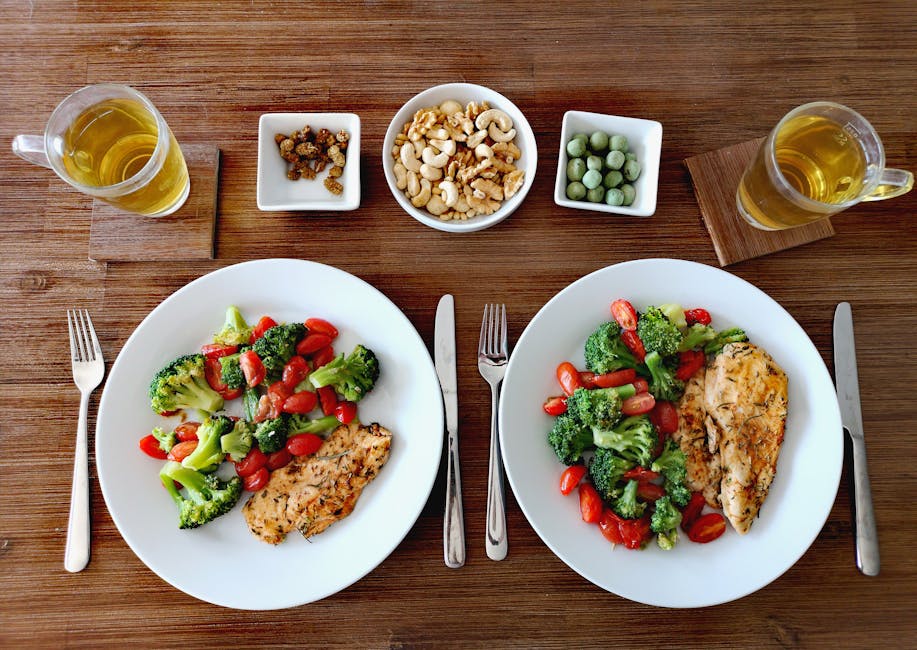
Pearson favors regular, satisfying meals built around protein, vegetables with plenty of fiber and modest servings of beneficial fats. Beans, oats, lentils, chickpeas, potatoes and brown rice can return in moderate quantities after weight has stabilized. She recommends keeping sweets, highly processed products and refined starches limited because they may be less satisfying and can encourage excess eating as hunger returns.
Protecting muscle also matters. GLP-1 users can lose a meaningful amount of muscle along with body weight, potentially lowering the energy the body uses while resting. Pearson points to resistance exercise and adequate protein during treatment as ways to preserve it. Sleep, stress management and awareness of emotionally driven eating also support maintenance. She discourages missed meals, excessive workouts and severe diets when the scale rises, favoring sustainable habits that can resume after holidays or celebrations.
- Pearson suggests roughly 30g of protein with each meal.
- At least seven hours of good sleep may support appetite control.
- A weekly weigh-in can reveal changes before they grow.
- Pearson’s book, The Nozempic Diet, is due 4 June.
Summarized from the reporting above. Read it for the full story.

Our one-page guide to chair height, screen height and where your feet go. Free at the front desk or by request.
A first consultation is free for new patients, including a take-home handout of that day's stretches.
Book a first visit →


Share this story