What Cat Owners Should Know About Self-Cleaning Litter Boxes
Cats.com examines whether automated litter boxes are worth considering for a cleaner bathroom routine.
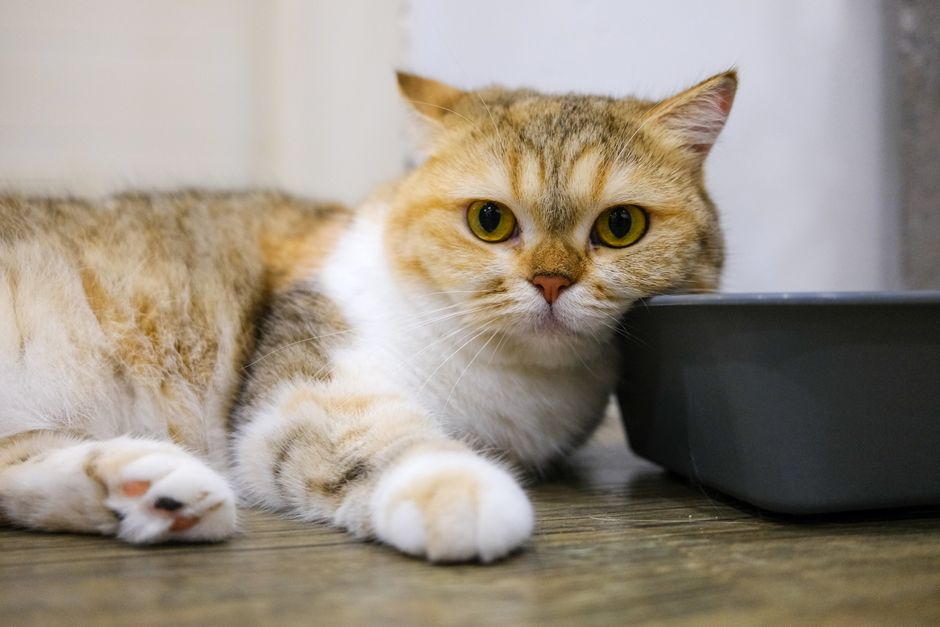
The promise of less scooping
Cleaning a litter box is an unavoidable part of caring for a cat, even when the task is unpleasant. Keeping the box sanitary can also help encourage a cat to use it consistently rather than choosing another spot in the home. For owners who struggle to keep up with frequent scooping, an automated model may seem like an appealing change.
Self-cleaning litter boxes are built to handle the routine separation of waste from usable litter. Instead of removing clumps by hand every day, the owner generally empties a separate waste container once it becomes full. That can reduce the most repetitive part of litter-box maintenance, although it does not remove every chore.
The litter still needs to be replenished, and the device requires an occasional thorough cleaning. These products are therefore designed to reduce scooping rather than eliminate all attention to the box. Their appeal also comes from odor management, since waste is moved away from the main litter bed and stored in a compartment.
How the main designs work
Automatic litter boxes generally use one of two approaches: a rake mechanism or a rotating sifting globe. Rake-style products resemble ordinary litter pans. After a cat leaves, an automated rake travels across the litter, gathers waste, and moves it into a concealed section.
This design does not depend entirely on clumping litter. Some versions, including the PetSafe ScoopFree, are made for crystal cat litter instead. That gives the rake category a different operating approach from systems that separate clumps through rotation.
Globe-based products tend to have a more enclosed appearance. Inside the rotating structure, gravity helps sift the litter so waste is separated from the clean material. The Litter-Robot by Whisker is an example of this type. Sifting globes have become the more common design, while rake-style boxes were more typical among earlier automatic models.
Sensors and cleaning cycles
Both major designs use sensors to recognize when a cat is inside the box. Once the cat has left, the system can begin its cleaning sequence automatically. The waste is removed from the litter area and placed into a covered compartment, helping keep the usable litter fresher between visits.
The direction in which a globe rotates is also relevant to safety. Models that turn from side to side, along the X-axis, have fewer built-in trapping risks than models rotating from front to back on the Y-axis. That distinction is one detail owners may want to consider when comparing enclosed globe systems.
Because features and operation differ widely across the current selection of automatic litter boxes, the basic promise is not identical in every product. Still, most are intended to provide the same central change: less manual waste removal, a quicker automated cycle after use, and a cleaner litter bed waiting for the cat.
Possible benefits for households
The clearest advantage is a reduction in daily maintenance. An automatic box can take over the repeated work of removing waste, giving owners less direct contact with the mess involved in routine cat care. That saved time can instead be used for other activities, including spending time with a cat.
A cat’s access to fresh litter also becomes less dependent on the owner’s schedule. Because the box can clean itself after the cat leaves, the litter bed may be ready for the next visit without waiting for someone to scoop it. Quick waste removal and a closed storage compartment may also help reduce odors around the box.
There is considerable enthusiasm for these products on social media, where images of cats using new automated boxes are common. That attention can make the devices look like an obvious upgrade, but the practical question remains whether the reduction in scooping justifies the cost and the continuing need to refill and deep-clean the unit. For each owner, the answer depends on how valuable that convenience is within their cat-care routine.
- Waste collects in a separate compartment that must be emptied when full.
- Most models use either an automated rake or a rotating sifting globe.
- Sensors can start cleaning after the cat leaves.
- The litter still needs topping up and occasional deep cleaning.
- X-axis globe rotation has fewer inherent trap risks than Y-axis rotation.
Summarized from the reporting above. Read it for the full story.
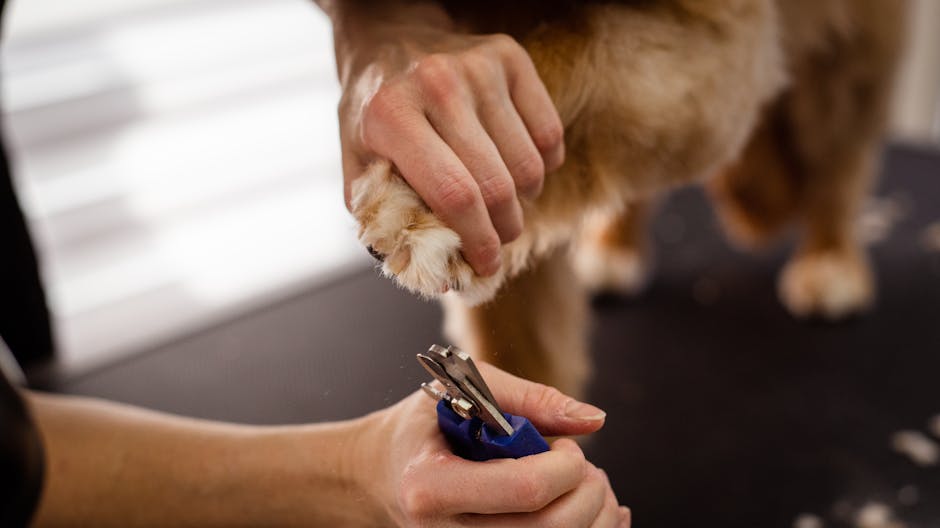
Walk your dog or cat in on the first Saturday morning of any month, no appointment. We'll trim nails while you wait, no charge.
Walk in with your dog or cat, no appointment and no charge.
See the schedule →

Share this story