Managing High Blood Pressure in Older Cats
Kidney disease and hyperthyroidism often accompany feline hypertension, which can damage several organs.
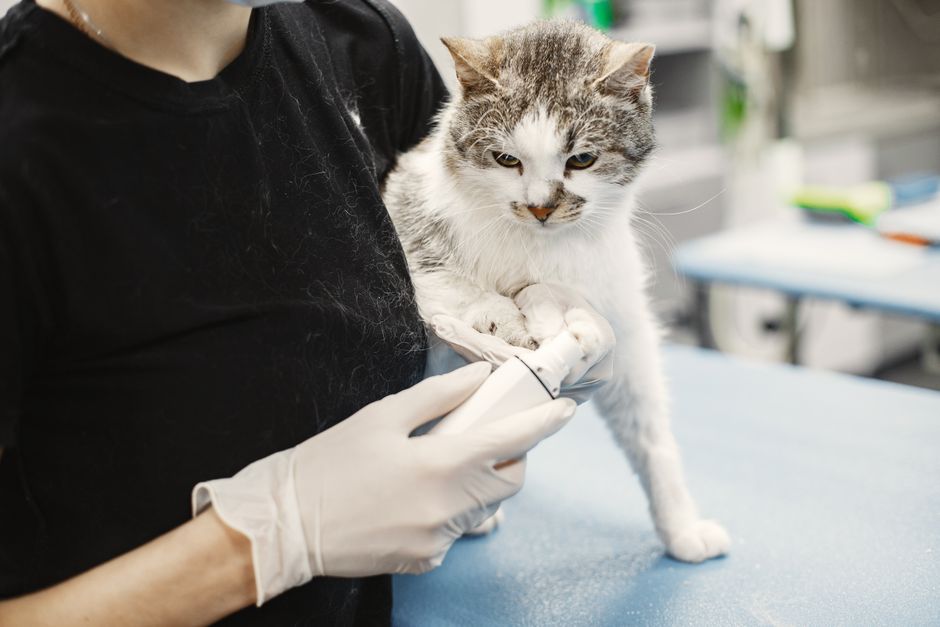
Why hypertension matters
Persistent high blood pressure can become a major health threat as cats grow older. Blood pressure reflects the force exerted by circulating blood on vessel walls. When that force remains elevated, it places continuing stress on the body rather than causing only a brief fluctuation. The organs most at risk in cats include the eyes, kidneys, brain and heart.
Kidney disease and hyperthyroidism are the two conditions most often associated with feline hypertension. This connection makes pressure monitoring especially important when either problem is already part of a cat’s veterinary care. Managing the underlying kidney or thyroid condition may also bring the blood pressure down, helping limit further harm to vulnerable organs.
Eye changes can provide an urgent warning. A cat that suddenly loses vision or develops enlarged pupils needs immediate veterinary attention. Long-lasting hypertension can lead to sudden blindness, so these signs should be treated as a medical emergency rather than watched at home to see whether they improve.
How clinics check pressure
Veterinarians measure a cat’s blood pressure with a specialized cuff placed around a leg or the tail. The process resembles the basic approach used for people, although the equipment is suited to a feline patient. Because a clinic visit can make a cat anxious, one measurement may reflect a short-lived stress increase instead of its usual pressure.
To improve accuracy, the veterinary team generally takes several readings. Looking across multiple results helps account for temporary elevations caused by nervousness. Many veterinarians recommend adding routine pressure checks at about age 7. Cats with kidney disease, hyperthyroidism or other relevant health concerns may need monitoring sooner or more often.
Early detection matters because high pressure may keep damaging organs while it persists. Regular measurements give the veterinarian an opportunity to identify a problem and develop an appropriate treatment plan before that damage becomes more severe.
Treatment comes first
Prescription medication is central to controlling feline hypertension in most cases. Diet changes, hydration and a calmer home can support care, but these measures generally cannot manage the condition adequately by themselves. Diagnosis, medication decisions and follow-up should remain under veterinary direction.
Care also needs to address illnesses contributing to the pressure increase. When chronic kidney disease or hyperthyroidism is involved, treating that condition may help reduce the cat’s blood pressure as well. This combined approach supports safer control and may lower the likelihood of lasting injury to the eyes, kidneys, brain or heart.
Owners should consult their veterinarian before changing food, adding a supplement or otherwise adjusting the care plan. What is suitable for one older cat may not be safe or useful for another, particularly when an existing kidney or thyroid problem must also be managed.
Supportive care at home
Food choices can complement prescribed treatment. A lower-sodium diet may help because salty or processed human foods can raise blood pressure. When kidney disease is present, the veterinarian may recommend meals designed to support kidney function. The cat’s ideal weight should also be discussed with the veterinary team, since excess weight adds strain to the heart and blood vessels.
Adequate water intake supports the kidneys. Owners can make water readily available, and a pet fountain may encourage some cats to drink more. Fish-oil omega-3 fatty acids might provide a modest blood-pressure benefit, but supplements are not safe or appropriate for every cat. Veterinary approval is therefore necessary before adding them.
Reducing stress can help limit temporary pressure spikes. A predictable daily schedule, comfortable resting places away from activity, and fewer loud sounds or sudden household changes can create a calmer setting. Feline pheromone diffusers may also soothe some cats. These steps work best as additions to professional treatment, regular monitoring and management of any related disease.
- Routine blood pressure checks commonly begin around age 7.
- Sudden blindness or enlarged pupils require immediate veterinary attention.
- A cuff is placed around the leg or tail for measurement.
- Kidney disease and hyperthyroidism commonly accompany feline hypertension.
- Medication is usually necessary; home measures provide additional support.
Summarized from the reporting above. Read it for the full story.
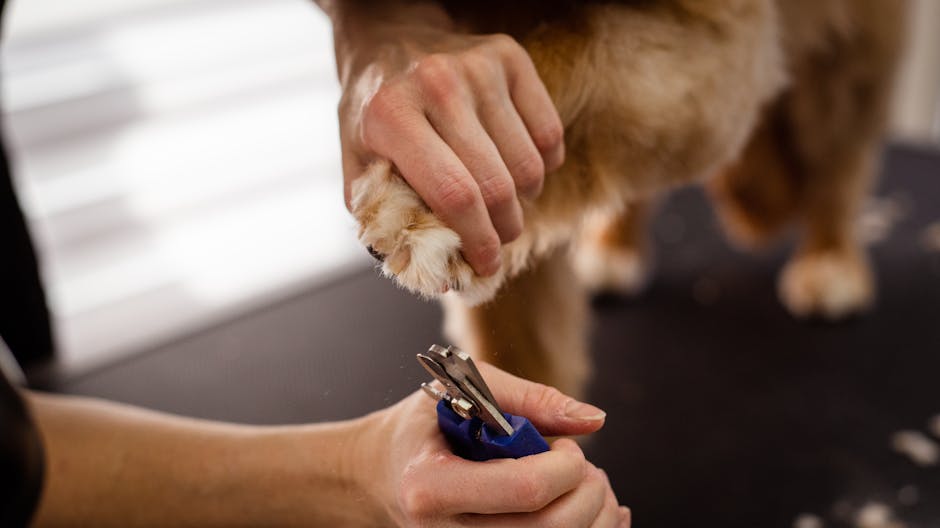
Walk your dog or cat in on the first Saturday morning of any month, no appointment. We'll trim nails while you wait, no charge.
Walk in with your dog or cat, no appointment and no charge.
See the schedule →

Share this story