Helping Pets Cope With Thunderstorm Anxiety
Texas A&M veterinary guidance outlines signs of distress and ways to support dogs and cats before and during storms.

Recognizing storm distress
Thunderstorms can unsettle dogs and cats in many different ways. One pet may retreat and hide, while another moves constantly through the home. Panting, trembling, whining, and changes in normal posture are also common signs that an animal is struggling with fear. Reactions depend partly on species and breed, but personality matters as well, so owners should pay attention to departures from their own pet’s usual behavior.
Stress can also affect eating and digestion. A frightened pet might reject food, vomit, or have loose stool before or while a storm is underway. These physical changes can accompany more obvious behaviors, making it important to consider the full pattern rather than waiting for a single dramatic symptom. Some animals appear to react to shifting weather before their owners recognize that a storm is approaching.
More serious episodes deserve close attention. Intense anxiety may lead to destructive actions, unusually heavy panting, respiratory distress, or seizures. Scratching, biting, and household accidents can also occur when a frightened animal seeks comfort or becomes overwhelmed. Knowing how a particular dog or cat normally responds gives an owner a better chance to prepare early and keep the situation from escalating.
Building calmer associations
Erin Ray, a clinical assistant professor in Texas A&M’s veterinary program, recommends beginning preparation before threatening weather arrives. Puppies and kittens can be introduced gradually to recorded thunder while something enjoyable is happening. Playing the sounds during meals, games, or treat sessions can connect the noise with experiences the young animal already welcomes.
A pet that already fears storms needs a gentler version of that process. Exposure can begin with a low volume and a very short listening period, followed by careful increases over time. The pace should reflect the individual animal’s response. The purpose is to help the pet tolerate storm sounds through repeated, manageable experiences instead of confronting it with an overwhelming recording.
Preventive practice and positive reinforcement can reduce fear over time, but there is no single technique that fits every animal. Species, breed, temperament, and the severity of previous reactions all shape what may be useful. Owners can use their knowledge of the pet’s established habits to choose an approach and recognize whether anxiety is improving or intensifying.
Comfort during the storm
When thunder is already occurring, owners have several non-medication options. White noise may make the thunder less prominent. A compression jacket can offer steady, gentle pressure that some pets experience as calming. Pheromone diffusers may encourage relaxation in either cats or dogs, although they are intended to accompany other behavioral methods rather than serve as the only response.
Closeness can be especially valuable for an animal with a strong attachment to its person. If a pet normally settles in an owner’s lap, offering that contact can provide reassurance. Treats given before distress intensifies may also strengthen a more positive connection with the situation. Supporting the pet early can lower the risk of fear-related scratching, biting, or accidents while preserving a sense of safety.
Whenever practical, owners can begin with behavioral and environmental support. The useful combination will differ among pets: one may respond to sound masking, while another benefits more from pressure, treats, or staying beside a trusted person. These tools can also be combined rather than treated as competing choices.
When veterinary help is needed
Severe reactions call for a veterinarian’s involvement. A veterinarian can develop an individualized plan and determine whether prescription treatment should be available before stressful weather. Owners should never transfer medication from one animal to another or give a pet human medicine. Appropriate dosing varies with the species and the animal’s health, and over-the-counter products should not be used without veterinary direction.
When medication has been prescribed, monitoring the forecast helps owners give it at the time specified by the veterinarian. In many cases, that timing is roughly two hours ahead of the storm. The medicine is meant to make the animal calm enough to work through fear; it does not take the place of training, gradual exposure, positive reinforcement, or other behavioral support.
Preparation therefore includes both observing the pet and acting before anxiety peaks. Owners who recognize early behavioral or digestive signs can arrange familiar comforts, begin prescribed treatment on schedule, and reduce the chance that distress will develop into a dangerous episode.
- Introduce young pets to storm recordings during meals, play, or treats.
- Begin fearful pets with quiet, brief recordings and increase exposure gradually.
- White noise, compression jackets, pheromones, treats, and trusted companionship may help.
- Prescribed medicine is often given about two hours before a storm, following veterinary directions.
- Never give pets human medicine or medication prescribed for another animal.
Summarized from the reporting above. Read it for the full story.
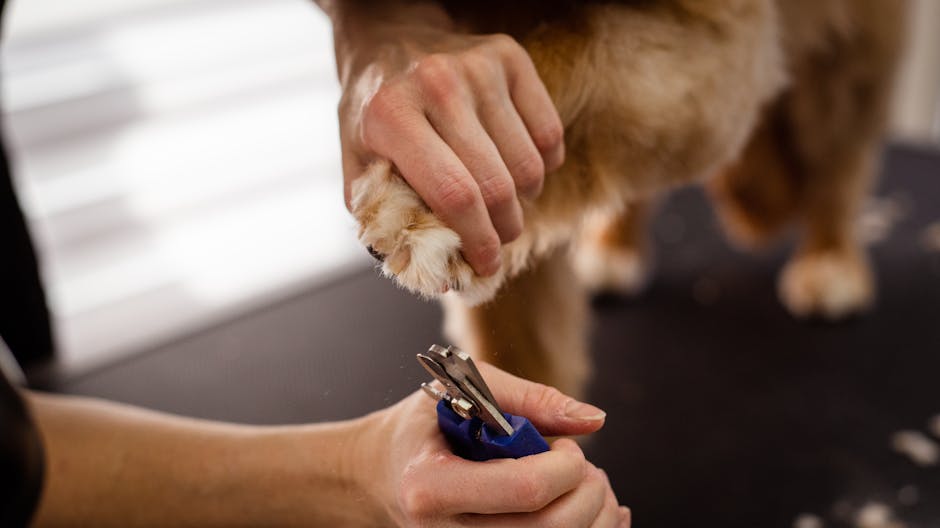
Walk your dog or cat in on the first Saturday morning of any month, no appointment. We'll trim nails while you wait, no charge.
New dogs and cats get a full wellness exam for $29, any weekday.
Book the exam →
Share this story