Veterinarians Warn About Rising Dog Dementia Cases
A vet is sharing warning signs linked to dementia in dogs.
Why cases are increasing
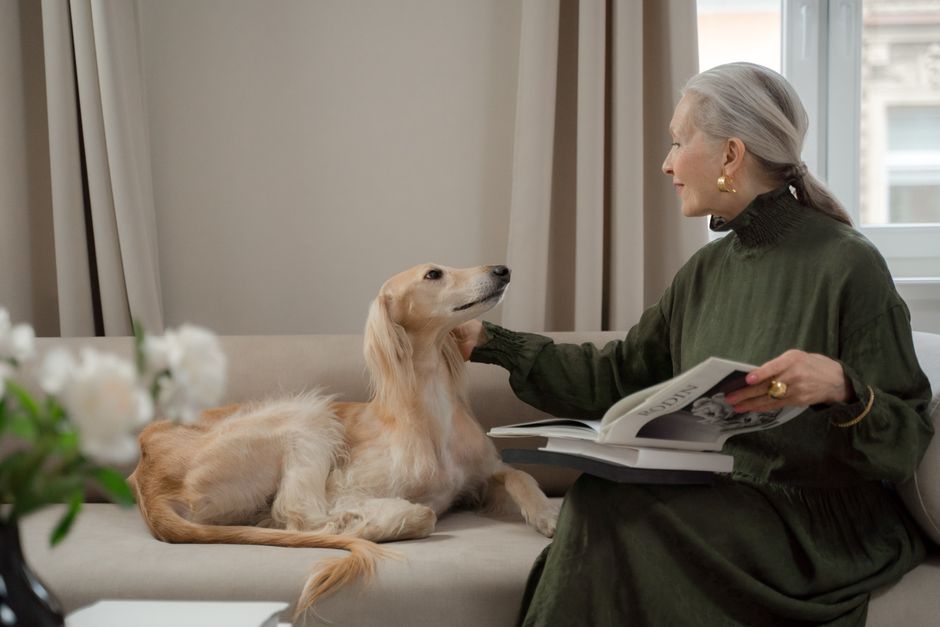
Veterinarians in the UK are seeing more dogs with Canine Cognitive Dysfunction, or CCD, the condition commonly known as dog dementia. Animal experts connect the increase with dogs reaching older ages. As the canine population lives longer, more owners may encounter age-related changes involving their pets’ brains, memories and behavior.
Dr Linda Simon, the resident veterinarian at Pooch & Mutt, says the condition is both common and frequently missed. Early symptoms may be subtle enough that families interpret them as an ordinary part of getting older. That can delay a conversation with a veterinarian, even when a dog’s behavior has changed in ways that deserve attention.
How dementia affects dogs
CCD involves deterioration in the brain and becomes more typical among dogs older than eight. It may interfere with several parts of everyday life, including the ability to remember and learn. Affected dogs can also experience differences in their awareness, sleeping patterns, interactions with people or other animals, and toileting behavior.
The condition is linked to physical alterations within the brain. These can include degeneration of nerves and a decrease in blood flow. Several elements may play a part in a dog’s risk, among them genetics, lifestyle and existing health problems. Aging itself cannot be prevented, but owners can still take measures intended to support cognitive health.
Because dementia can influence many different behaviors, it may not appear as one sudden or unmistakable event. Small changes can carry significance, particularly when they are new for that particular dog. An owner’s familiarity with a pet’s usual habits and personality can therefore be valuable when deciding whether something has shifted.
Changes owners may notice
Dr Simon highlights five understated warning signs that people can dismiss as harmless quirks, although the supplied guidance does not name them individually. The broader symptoms she identifies include confusion, forgetfulness and a general sense that a dog is behaving unlike its usual self. Changes involving memory, awareness or conduct may also indicate that the aging brain is affecting daily life.
Sleep and social behavior deserve attention as well. A dog experiencing cognitive decline may show altered sleeping habits or interact differently. Learning ability and toilet routines can also be affected. None of these areas should be considered in isolation from the animal’s normal patterns; owners are especially well positioned to recognize when familiar behavior has changed.
A dramatic episode is not required before seeking veterinary advice. When a dog suddenly appears disoriented, unusually forgetful or simply different, Dr Simon recommends speaking with a vet. Recognizing the smaller shifts matters because prompt action may improve how comfortably the dog lives with the condition.
Supporting an ageing pet
There is no treatment that eliminates CCD, but intervening early may reduce the speed of its advance. Support begun sooner can also help an affected dog retain a better quality of life for a longer period. Diet, mental engagement and timely veterinary care are among the measures Dr Simon identifies as important for brain health.
At home, maintaining a consistent routine can make daily life easier for an older dog. Gentle enrichment is another suggested form of support. These steps may seem modest, but they can make a meaningful difference when combined with an early discussion with a veterinarian. Pooch & Mutt also has a senior range designed to support both cognitive and physical health in ageing dogs.
Looking after a senior pet with cognitive decline can be emotional and sometimes overwhelming. Even so, owners do not have to manage the changes alone. Veterinary guidance, stable routines and suitable enrichment can form part of an ongoing plan tailored to the dog’s needs. With appropriate care, dogs experiencing cognitive deterioration may continue to have lives that are comfortable and happy.
- CCD generally affects dogs older than eight.
- Possible changes involve memory, learning, sleep, social interaction and toilet habits.
- Early veterinary help may slow progression and support quality of life.
- Steady routines, gentle enrichment and diet can support an ageing dog.
Summarized from the reporting above. Read it for the full story.
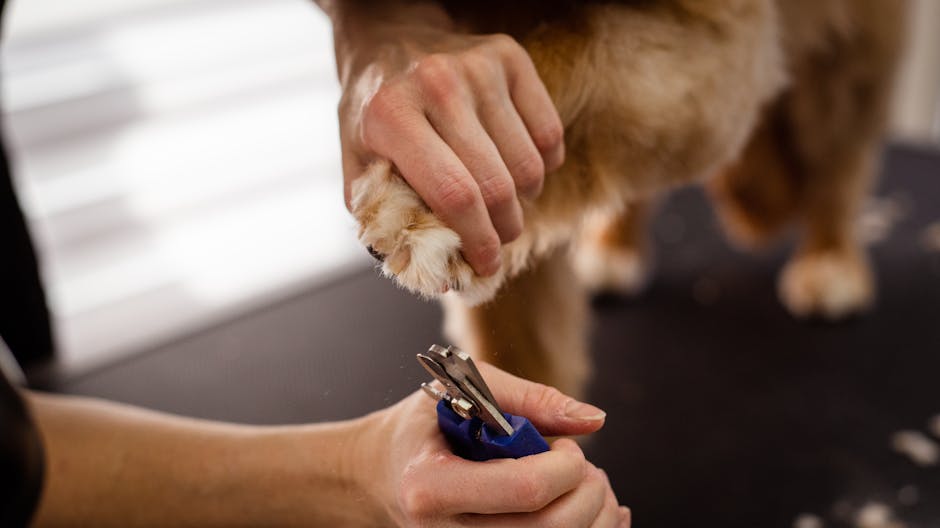
Walk your dog or cat in on the first Saturday morning of any month, no appointment. We'll trim nails while you wait, no charge.
Walk in with your dog or cat, no appointment and no charge.
See the schedule →


Share this story