Vermont Shelters Struggle as Owners Give Up Pets
Financial hardship is pushing more owners to surrender animals, and shelters can't keep up.
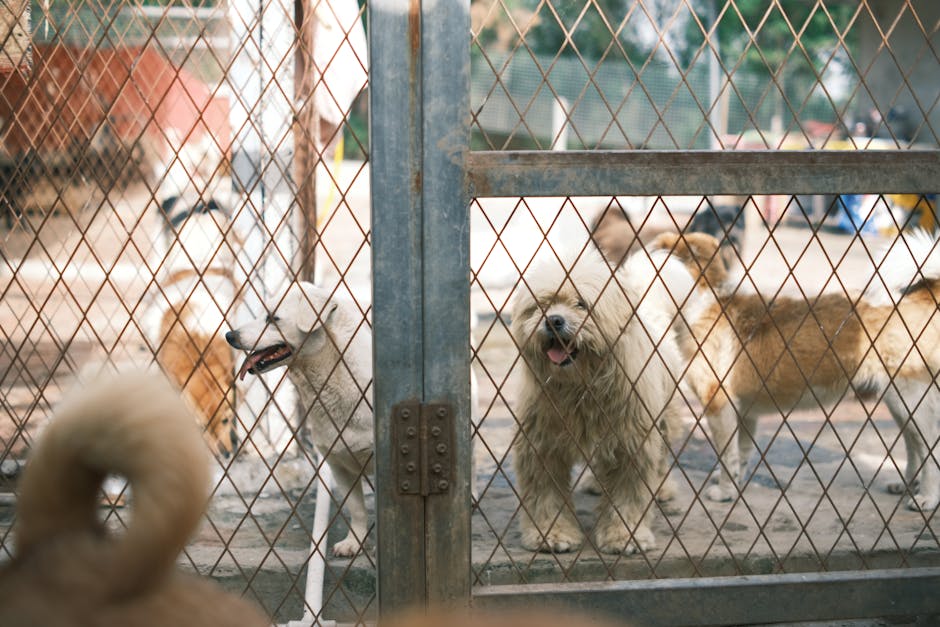
A family forced to choose
Until recently, J.A. and her husband could provide for their children and two dogs at their Bennington County home without money worries. J.A. held a well-paying ski industry position, while her husband had retired after working at a liquor store. Their finances changed abruptly when serious health problems affected them both.
Two autoimmune illnesses brought J.A. persistent joint pain and severe exhaustion, sometimes keeping her in bed. She stopped working last August and soon qualified for disability assistance. Six months afterward, doctors found that her husband had two cancers, and he started an intensive chemotherapy regimen. The family was left trying to stretch a fixed income across its essential expenses.
When the dogs developed symptoms of illness, veterinary care was no longer affordable. Food also became difficult to provide in adequate amounts. Believing that continuing under those conditions would be unfair to the animals, the couple decided to seek another home for their 3-year-old Great Dane and 8-year-old Labrador mix.
Nowhere for the dogs
Finding someone able to take both pets became a prolonged search. J.A. contacted upward of 30 rescue groups and shelters in Vermont, Maine and New Hampshire. She also posted on Facebook, turning to Vermont rehoming pages whose memberships number in the thousands.
Every organization initially declined because it lacked room. According to J.A., a majority of the groups she approached suggested that she think about euthanizing the dogs. She refused that option and continued searching until a shelter placement was finally secured.
Her experience reflects the pressure facing Vermont’s network of animal organizations. Rescue volunteers and shelter employees believe financial distress now accounts for a rising portion of owners trying to place pets elsewhere. Yet facilities already operating at their limits cannot easily match those animals with suitable households.
Shelters under sustained pressure
The Lucy Mackenzie Humane Society, located in West Windsor, has recently received substantially more surrender requests connected to unstable housing or difficulty paying expenses. Executive director Jackie Stanley said the facility maintains an ongoing queue for animal intake. Other permanent shelters around Vermont are understood to be dealing with similar backlogs.
The problem involves both the number of families seeking help and the limited speed at which pets can move into new homes. Hundreds of people approach Vermont rescue organizations annually. Those working within the system are increasingly hearing that housing changes and the financial weight of animal care are behind surrender decisions.
The same pressures are appearing nationally. Best Friends Animal Society compiled shelter figures showing that economic difficulties and housing problems together represented about one-fourth of pet relinquishments during 2025. Its data also indicates that owners have surrendered a greater number of animals overall so far this year.
Basic care costs more
Lisa Milot, Vermont’s inaugural animal welfare director, linked part of the strain to inflation and disruptions in supply chains. Over the past several years, both pet food and medical treatment have become markedly more expensive. These are expenses tied to meeting animals’ basic needs, rather than optional purchases.
Access to veterinary services has tightened as well. Since the Covid-19 pandemic, some practices have shut down or scaled back their operations. That has added another obstacle for Vermont’s already burdened animal health system, with consequences for pet safety and well-being.
For owners, surrender may follow a cascade of circumstances rather than a single choice: illness can reduce household earnings, treatment can create new demands, and rising pet expenses can become impossible to absorb. For shelters, each such case enters a system with recurring waiting lists and little spare capacity. The result is a bottleneck in which families needing immediate assistance may have to contact many organizations before finding one able to accept an animal.
- J.A. contacted more than 30 organizations across Vermont, New Hampshire and Maine.
- The dogs seeking placement were ages 3 and 8.
- Housing and economic strain caused roughly one-quarter of 2025 surrenders nationally.
- Lucy Mackenzie Humane Society in West Windsor maintains an ongoing intake waiting list.
Summarized from the reporting above. Read it for the full story.
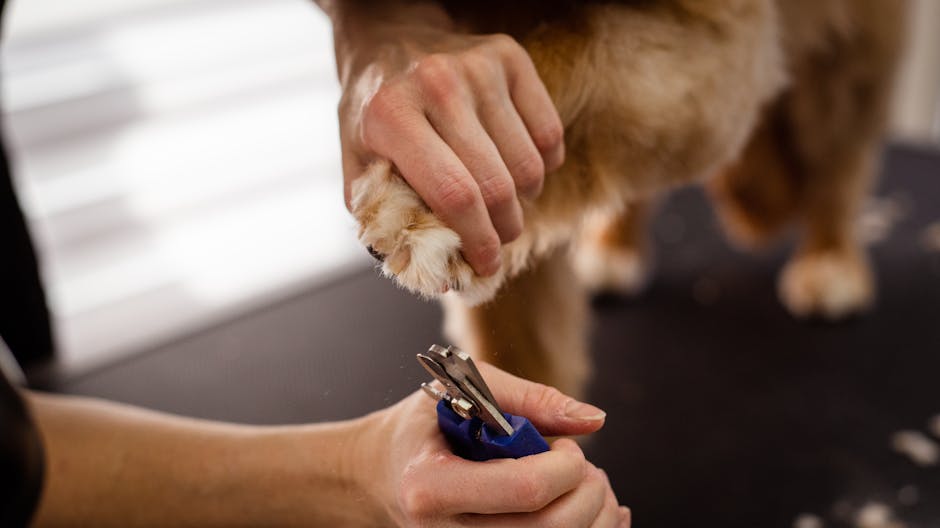
Walk your dog or cat in on the first Saturday morning of any month, no appointment. We'll trim nails while you wait, no charge.
New dogs and cats get a full wellness exam for $29, any weekday.
Book the exam →


Share this story