Torn Claws Can Bring Pain and Infection for Cats
Limping, paw licking, bleeding, swelling, or discharge can signal a damaged claw or infected nail bed.

Why A Tear Hurts
A cat’s claw can be damaged when it catches on fabric, carpet, furniture, or another surface. The injury occurs when part of the claw is pulled away from the nail bed, and the result can be much more painful than it first appears.
The tissue beneath the claw contains many nerve endings and blood vessels. Even a small tear may therefore cause significant discomfort and bleeding. A cat may limp, keep weight off one paw, or pull away when someone tries to examine it. Repeated licking or chewing focused on one paw can also signal trouble.
Look closely for a claw that is cracked, split, partly detached, or hanging. Blood near the nail, redness, or swelling around the toe adds to the concern. A small chip may sometimes repair itself, but a larger tear—especially one involving the nail bed—may require veterinary care.
When Infection Follows
Paronychia is an infection affecting the tissue around the claw. A torn nail can leave an opening through which bacteria or fungi enter, although bacterial infection can also develop without that specific injury. Fungal organisms such as Malassezia are associated with nail-bed problems in cats.
Possible infection signs include warmth, redness, and swelling around one or several claws. Pus-like discharge, brittle or cracked claws, and claws that appear to be separating are additional warning signs. The cat may become stiff, limp, or react painfully when the paw is touched.
More than one claw can be affected at the same time. This is especially possible when a fungal infection or another health condition is contributing to the problem. Immune system problems and other diseases can be linked with ongoing nail difficulties.
What To Do Now
Contact a veterinarian promptly if these signs appear. Nail injuries and infections can worsen without treatment, extending the cat’s discomfort and creating further complications. The veterinarian can examine the paw, determine what is happening, and select the appropriate treatment.
Do not pull off a torn claw at home. Removing it yourself may increase pain and raise the chance of infection. If the paw is bleeding, a clean cloth can be gently wrapped around it to help control the bleeding while veterinary care is arranged.
A cat that resists paw handling may be painful, so examination should be approached carefully. Signs such as ongoing licking, limping, swelling, warmth, discharge, or visible damage are reasons to seek professional advice rather than waiting for the problem to resolve.
How Claws Get Damaged
Trauma is one common route to a torn claw. A nail may snag on household materials, furniture, or something encountered outside. Overgrown nails are more likely to catch and tear, making routine trimming an important part of claw care.
Infections can also begin after an injury or arise independently. Fungi, including Malassezia, may invade the nail bed, while some cats experience recurring nail problems connected with immune system issues or other diseases. These possibilities help explain why several claws may show changes together.
Cats rely on their claws for climbing, stretching, hunting, and self-defense. Keeping those claws healthy supports activities they use every day, while paying attention to changes can help identify a problem before pain or infection becomes more severe.
Keeping Paws Healthy
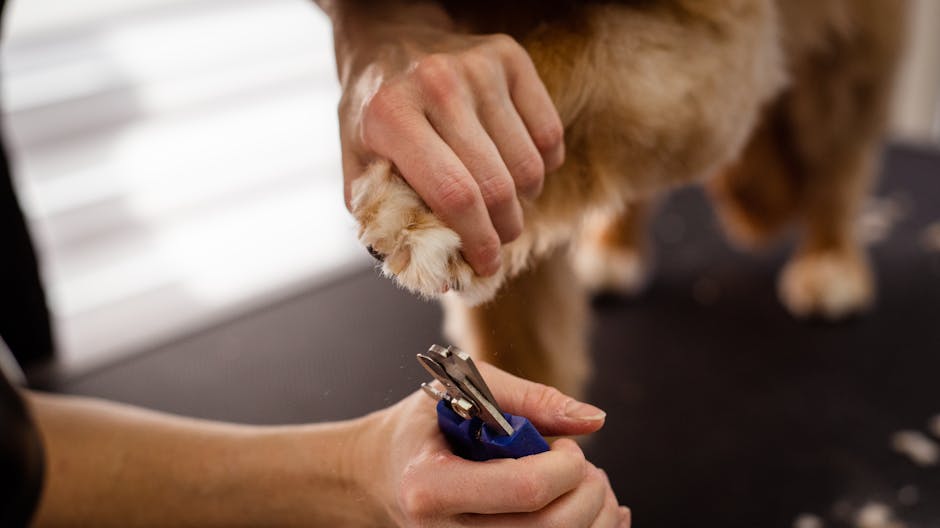
Regular nail trims can reduce the chance of overgrown claws catching on surfaces. Trimming may be done by the cat’s companion, a veterinarian, or a groomer. Scratching posts also give cats a way to maintain their claws naturally.
Check the paws regularly for injuries, redness, swelling, or other changes. Routine veterinary visits provide another opportunity to notice nail problems early. If a claw is torn, bleeding, separating, or accompanied by discharge, arrange a veterinary appointment rather than trying to remove it yourself.
Prompt attention can improve a cat’s comfort and support healing. Careful observation, basic claw maintenance, and professional help when warning signs appear are the main ways to respond to these painful paw problems.
- A torn claw can bleed because the nail bed contains blood vessels.
- Paronychia may cause warmth, swelling, redness, discharge, or brittle claws.
- Do not pull off a torn claw at home.
- A clean cloth can help control bleeding while veterinary care is arranged.
- Regular trims and scratching posts can help reduce claw problems.
Source: Animal Wellness Magazine ↗
Summarized from the reporting above. Read it for the full story.
Walk your dog or cat in on the first Saturday morning of any month, no appointment. We'll trim nails while you wait, no charge.
Walk in with your dog or cat, no appointment and no charge.
See the schedule →


Share this story