Cats With Hair Loss May Have More Treatment Options
Light-based therapy and nutrition are among alternatives being explored for feline alopecia.

Hair loss has many forms
Feline alopecia can appear as one or two bare patches, balanced thinning on both sides of the body, or much larger areas without fur. Although the visible result may look similar from cat to cat, the processes behind it can be very different. Possible contributors include allergic disease, immune-system problems, emotional strain, changes involving hormones, and inherited tendencies.
One example is feline atopic skin syndrome. Environmental allergens can make an affected cat itchy, and the resulting grooming or scratching may produce a symmetrical pattern of thinning. Alopecia areata works differently: the cat’s immune defenses mistakenly target the follicles, creating patchy loss. Genetics can also play a role. Birman cats may be predisposed to hypotrichosis, another form of reduced hair growth.
Because alopecia is a symptom rather than its own diagnosis, treatment begins with determining what is driving the change. That distinction matters: a plan designed for allergy-related itching may not address an immune attack on follicles, a stress component, or a hereditary condition. Improvement can depend heavily on treating the underlying problem rather than concentrating only on the missing coat.
Where light therapy fits
Conventional care may include antihistamines, steroids, or cyclosporine. When those approaches are insufficient, or when an owner and veterinarian want to consider additional methods, photobiomodulation is one emerging possibility. Often shortened to PBM, it uses LED light or low-level laser therapy delivered at selected wavelengths. The goal is to influence cellular activity while calming inflammation.
PBM may support regrowth through several pathways. Light energy can encourage follicles to reenter anagen, the active stage of the hair cycle. It may also ease inflammatory activity in the skin and increase local circulation, helping follicles receive needed nourishment. Its potential support for tissue repair could be relevant when fur loss follows physical trauma, including after a pelvic fracture.
The treatment does not involve surgery and is described as painless. Cats generally tolerate it well, while appointments at a veterinary office are typically short. Research remains in development, though the early findings have been encouraging. Administration should be handled by a veterinarian who has suitable training, proper equipment, and appropriate protection for the eyes.
Other supportive approaches
Light treatment is not the only integrative option under consideration. Veterinary acupuncture may support the skin while also addressing stress-related concerns. Since stress can make alopecia worse, reducing that burden may help when it is part of the underlying problem rather than merely a response to the coat changes.
Diet can be another part of the care plan. B vitamins, zinc, and fatty acids from the Omega-3 group all contribute to the health of a cat’s coat and skin. A veterinarian may recommend adjusting food or adding supplements to improve coat condition and help regrowth. Professional guidance is important when deciding which nutritional changes are suitable for an individual cat.
Cats whose hair loss is connected to atopic skin syndrome may be candidates for allergen-specific immunotherapy. Delivered as drops or allergy shots, this approach aims to reduce the reactions that can lead to excessive grooming and lost fur. Veterinary-approved topical products may also help settle irritated skin and reinforce its barrier. Some use botanical ingredients such as Ophytrium and may be useful when inflammation contributes to alopecia.
Building the right plan
No single option is appropriate for every cat with thinning or missing fur. PBM, acupuncture, dietary support, immunotherapy, and topical care address different parts of the problem, so their value depends on the reason for the alopecia. These methods may be used alongside conventional medication rather than treated as automatic replacements for it.
The practical next step is a veterinary assessment followed by a plan tailored to the cause. A cat with environmental allergies, for example, may need a different combination than one with alopecia areata, inherited hypotrichosis, trauma-related skin damage, or a strong stress component. As the range of available strategies grows, owners have more possibilities to discuss with their veterinarian for supporting skin recovery and renewed coat growth.
- PBM uses selected wavelengths from LED lights or low-level lasers.
- Veterinary PBM sessions are usually brief, non-invasive, and painless.
- B vitamins, zinc, and Omega-3 nutrients can support coat and skin health.
- Allergy shots or drops may help cats with atopic skin syndrome.
- PBM requires trained veterinary administration and suitable eye protection.
Source: Animal Wellness Magazine ↗
Summarized from the reporting above. Read it for the full story.
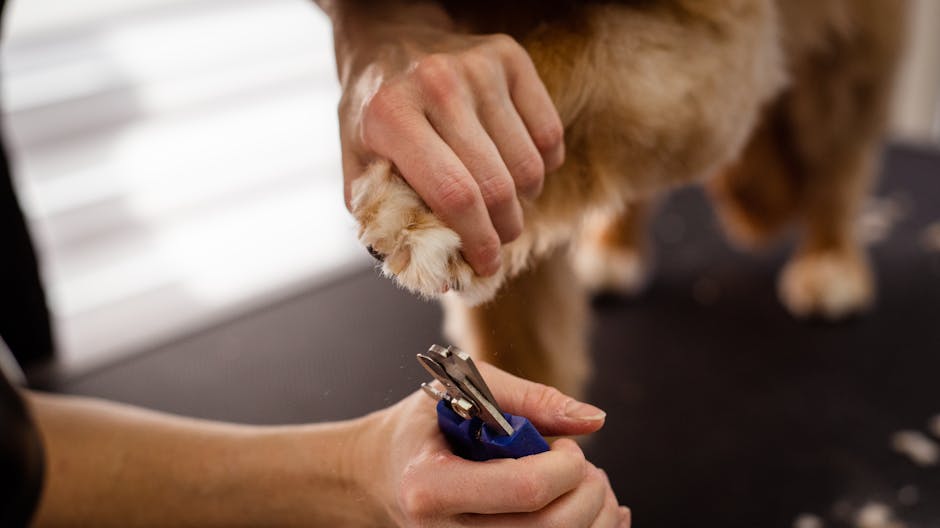
Walk your dog or cat in on the first Saturday morning of any month, no appointment. We'll trim nails while you wait, no charge.
Walk in with your dog or cat, no appointment and no charge.
See the schedule →

Share this story