Reading the Early Signs of Stress in Dogs
A behavior framework helps owners notice discomfort before it may intensify.

Dogs often signal that they are uneasy before they growl, snap or bite. The communication ladder, developed by veterinary behaviorist Kendal Shepherd, describes these warnings as a series of increasingly strong body-language cues. Early examples include yawning, licking the nose and turning the head away. A dog may also try to leave.
Each animal communicates differently. Some dogs show several stages, while others move past certain signals. Experiences, inherited traits and the situation can all shape how stress appears. A growl is generally a request for distance and an important warning, rather than behavior to punish. Giving the dog room and removing pressure can help stop the situation from intensifying.
When stress signs appear, the framework recommends lowering the pressure, allowing space and using rewards to build a sense of safety. Recognizing the quieter signals gives owners a chance to respond before the dog feels pushed toward stronger defensive behavior.
- Kendal Shepherd created the communication framework.
- Stress signals can include trying to leave.
- Dogs may skip steps on the ladder.
- Punishment is discouraged when a dog shows discomfort.
Source: Animal Wellness Magazine ↗
Summarized from the reporting above. Read it for the full story.
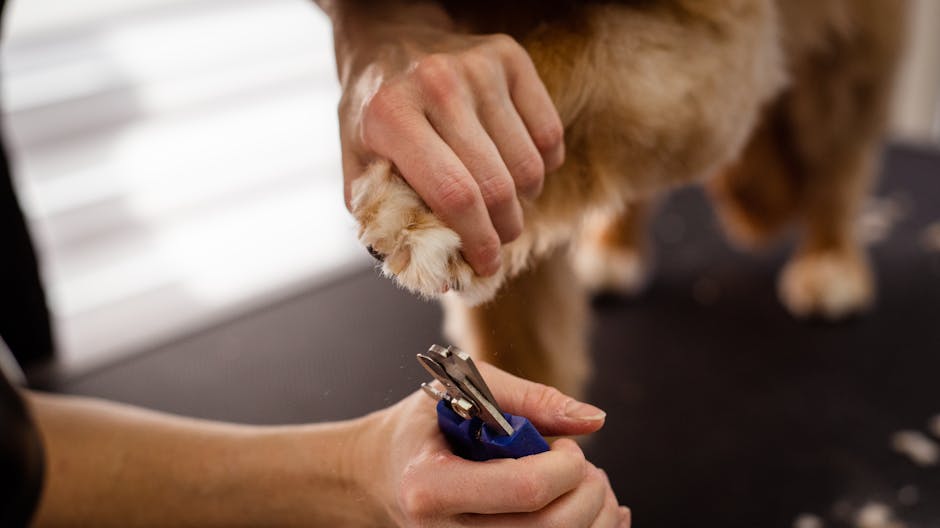
Walk your dog or cat in on the first Saturday morning of any month, no appointment. We'll trim nails while you wait, no charge.
Walk in with your dog or cat, no appointment and no charge.
See the schedule →


Share this story