How to Tell Vomiting From Regurgitation in Dogs
The two problems involve different parts of the digestive system and may require different veterinary care.
Watch the body first
The clearest difference is what the dog’s body does before the material appears. Vomiting requires active effort. A dog may retch, heave, drool, pace, or otherwise seem uncomfortable. Contractions of the abdomen may also be visible as the digestive tract forcefully moves its contents upward. Those physical signs can begin before anything actually comes out.
Regurgitation is generally passive. Instead of an obvious buildup involving abdominal effort, food or fluid may appear suddenly. There is usually no heaving, retching, or forceful stomach motion beforehand. For an owner trying to classify an episode, noticing whether the dog worked to bring something up can be more useful than focusing only on the mess left behind.
Examine what came up
Vomited material comes from the stomach or the upper portion of the small intestine. It may contain food that has already been partly broken down, along with yellow bile or foam. The episode itself often looks vigorous because muscles are actively pushing those contents back through the digestive tract.
Regurgitated material has not completed the same journey. It was held in the esophagus, the passage between the mouth and stomach, and returned before reaching the stomach. As a result, food may still look undigested. It can also retain a tube-like shape after sitting in the esophagus. Regurgitation commonly occurs not long after the dog has eaten, making the timing another helpful detail to record.
Know the warning signs
One isolated vomiting event does not always demand emergency care. A dog that eats grass and vomits once will probably be all right. The situation becomes more concerning when vomiting contains blood or resembles coffee grounds, an appearance that may represent blood that has been digested. Owners should also contact a veterinarian if vomiting lasts longer than 24 hours.
Other reasons to seek veterinary help include fever, lethargy, or an abdomen that is sore or swollen. Frequency matters even when each individual event seems mild. A dog that vomits once every week may have a health problem beneath the surface, so a recurring pattern deserves attention rather than being treated as normal.
Why regurgitation needs attention
Regurgitation may be associated with megaesophagus. In this condition, the esophagus becomes enlarged and cannot move food toward the stomach effectively. Material accumulates inside it and can eventually return through the mouth. Megaesophagus may be congenital, meaning it exists from birth, or acquired later, sometimes in connection with other conditions.
Inflammation within the esophagus is another possible explanation. Gastroesophageal reflux can also play a role when stomach contents move backward into the esophagus. Because these causes involve the esophagus rather than the same process responsible for vomiting, they may require a different diagnostic approach and different care.
Dogs affected by megaesophagus have an elevated chance of aspiration pneumonia. This develops when liquid or food enters the lungs. Frequent regurgitation also raises the possibility of inhaling that material, and resulting pneumonia is serious enough to require timely veterinary treatment. The danger to the lungs is one reason repeated regurgitation should not simply be dismissed as unusual eating behavior.
Record the episode
Useful observations include how soon the event followed a meal, how frequently it happens, and whether retching occurred. Owners can also note whether the material was partly digested, undigested, foamy, yellow, bloody, coffee-ground-like, or shaped like a tube. Together, those details help a veterinarian distinguish an active stomach event from a passive return through the esophagus.
That distinction can guide the choice of tests and treatment. Handling the two problems as though they were interchangeable may postpone appropriate care and put the dog at risk. Owners should speak with a veterinarian before altering a feeding routine, since the right response depends on the condition causing the episodes and requires professional diagnosis.
- Vomiting beyond 24 hours warrants veterinary contact.
- Weekly vomiting may indicate an underlying health issue.
- Blood or coffee-ground-like vomit requires attention.
- Regurgitation often occurs shortly after eating.
- Megaesophagus increases the risk of aspiration pneumonia.
Source: Animal Wellness Magazine ↗
Summarized from the reporting above. Read it for the full story.
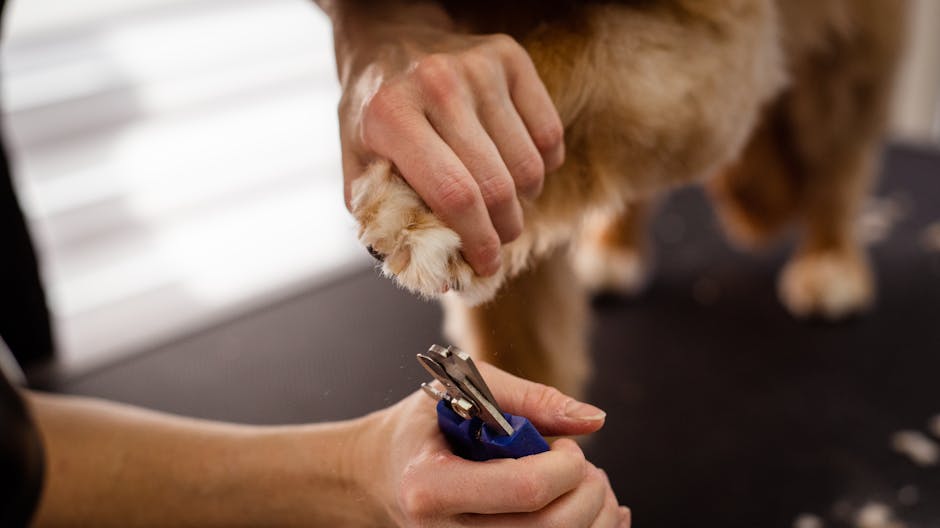
Walk your dog or cat in on the first Saturday morning of any month, no appointment. We'll trim nails while you wait, no charge.
Walk in with your dog or cat, no appointment and no charge.
See the schedule →


Share this story