MDR1 Mutation Puts Some Herding Dogs at Drug Risk
A cheek-swab test can show whether a dog carries the gene change before treatment decisions are made.

How the mutation changes risk
The ABCB1 gene, formerly called MDR1, influences how a dog processes certain medicines. In a dog without the mutation, a protein known as P-glycoprotein helps remove drugs after their work is finished. It also limits the passage of harmful substances into the brain and other essential organs.
When the mutation interferes with that protein, a medicine that would ordinarily be tolerated may remain in the body at unsafe levels. Some drugs may also enter the brain, creating the potential for serious poisoning. The danger depends partly on how many altered gene copies a dog inherited. Two copies are associated with more severe sensitivity, while a single copy can still cause toxicity, generally with less intense effects.
This sensitivity does not mean an affected dog cannot receive medical care. It means medication choices and amounts need to account for the dog’s genetic status. Knowing that status before treatment gives the veterinarian an opportunity to avoid a dangerous drug or adjust a medicine that can be used more cautiously.
Dogs that may carry it
The mutation occurs frequently among herding breeds. Dogs named as possible carriers include Collies, Australian Shepherds, American Shepherds, German Shepherds, Shetland Sheepdogs and Old English Sheepdogs. Appearance alone is not a reliable way to determine whether an individual dog inherited the altered gene.
The concern extends beyond purebred dogs. A mixed-breed dog with ancestry from a herding breed may also have the mutation, even when that background is not obvious from its looks. Genetic screening can therefore provide practical health information rather than serving only as a way to explore ancestry. Testing may be especially useful before medical care or a procedure introduces a drug that could cause a reaction.
Signs after medication
A toxic response may develop quickly after an affected dog receives a problematic medicine. Possible signs include vomiting, weakness, stumbling or other uncoordinated movement, tremors, seizures and blindness. At the most severe end, the reaction can lead to death.
Owners who notice any of these problems following medication should contact their veterinarian immediately. The timing matters because the symptoms can signal that the dog is not clearing or restricting the drug normally. Owners should not independently discontinue a prescribed medicine or alter its amount, however; those decisions need veterinary guidance.
Medicines need careful review
Medication risk is not identical across every product. Certain drugs should not be used in dogs with this mutation, while others may remain options when a veterinarian lowers the amount and supervises treatment. One common nonprescription medicine intended for diarrhea belongs in the avoid category for affected dogs.
Combinations of medicines also deserve attention because using particular drugs together may increase toxicity, including in dogs that do not have the mutation. A veterinarian should review the complete treatment plan rather than assessing each product in isolation.
Heartworm prevention requires a more specific discussion. Some preventatives made with ivermectin are generally considered safe when given in the small quantities authorized by the FDA. That does not make every product automatically suitable for every dog, so owners should confirm the selection with their veterinarian.
Testing supports lifelong care
Screening is commonly performed with cells collected from inside the cheek. An owner can arrange the test through a veterinarian or use a reputable company that provides canine genetic testing. A veterinarian can also help identify an appropriate testing option and interpret the result in the context of future care.
There is no treatment that removes the inherited mutation. Even so, dogs with MDR1 sensitivity can live healthy, normal lives and receive medical treatment safely when their condition is managed. The essential step is making sure every veterinarian and other person involved in the dog’s care knows the test result. That information can guide drug selection, dosing and supervision whenever treatment is needed.
- Collies, Australian Shepherds and several other herding breeds may carry the mutation.
- Mixed-breed dogs with herding ancestry may also be affected.
- A cheek-swab test can identify the altered gene.
- Two altered copies generally create greater sensitivity than one.
- Contact a veterinarian immediately if symptoms appear after medication.
Source: Animal Wellness Magazine ↗
Summarized from the reporting above. Read it for the full story.
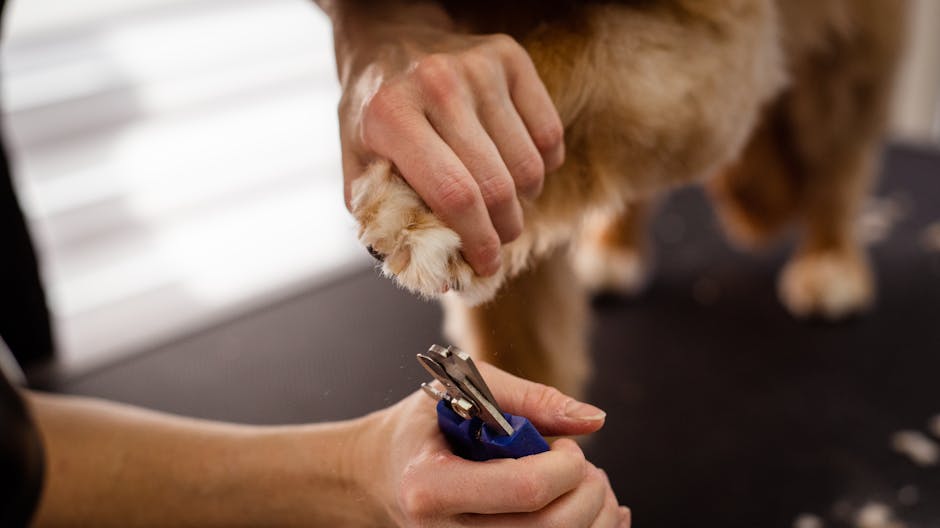
Walk your dog or cat in on the first Saturday morning of any month, no appointment. We'll trim nails while you wait, no charge.
New dogs and cats get a full wellness exam for $29, any weekday.
Book the exam →


Share this story