Indoor Cats Usually Face Fewer Risks Than Outdoor Cats
A secure patio, harness walks, or supervised outings can offer outdoor stimulation with less exposure to danger.

A Safer Home Base
For many cats, indoor living offers the clearest path to a longer, safer life. Cats kept inside generally avoid dangers that can turn an ordinary outing into a serious injury or illness, while still having plenty of opportunity to live comfortably and happily at home.
The difference in average lifespan is substantial. Indoor cats are described as living about 12 to 18 years, while cats that spend time outdoors may live roughly 2 to 5 years. The gap reflects the hazards outdoor cats can encounter, including traffic, predators, contagious illnesses, parasites, and fights with other cats.
Staying inside also protects cats from encounters with dogs, coyotes, and birds of prey. They are less likely to pick up fleas, ticks, or worms, and they avoid many injuries that can happen during confrontations with other cats.
Indoor Life Needs Enrichment
Safety does not automatically make an indoor routine satisfying. Cats need activity, variety, and places to express normal behaviors. Without enough stimulation, they may become bored, gain excess weight, or feel stressed.
A home can offer that stimulation in several simple ways. Scratching posts give cats an appropriate place to scratch, while climbing trees and other elevated structures add movement and choice. Interactive toys and puzzles can make play more engaging, and regular time with people provides both exercise and attention.
A window perch can also add interest to the day by giving a cat a place to watch what is happening outside. With enrichment, toys, and affection, an indoor cat can have a happy life without roaming.
What Cats Meet Outside
Outdoor access brings experiences many cats enjoy, including fresh air, sunshine, and opportunities to explore. Those benefits can enrich a cat’s life, but the outside world also introduces hazards that are difficult for an owner to control.
Weather is one concern. Heat, cold, and storms can all create danger. During hot periods, an outdoor cat needs fresh water and shade. Panting, drooling, weakness, or vomiting may signal heatstroke and require immediate contact with a veterinarian.
Cats may also encounter poisonous plants or substances such as pesticides and antifreeze. Wildlife and stray animals can cause serious injuries or spread disease. Even when a cat avoids those threats, wandering can lead to getting lost and make returning home difficult.
A Controlled Compromise
Owners do not have to choose between a completely indoor routine and unrestricted roaming. A controlled outdoor setup can provide stimulation while reducing exposure to danger.
An enclosed cat patio allows a cat to experience outdoor air without giving it open access to traffic, wildlife, or unfamiliar animals. Some cats can also learn to walk with a leash when the process is gradual and patient. Another option is supervised time outside, with the owner present and watching closely.
These arrangements can preserve some of the enjoyment of being outdoors while limiting the risks. They may be especially useful for owners who want to offer exploration without allowing a cat to wander freely.
Choosing The Arrangement
There is no single lifestyle that suits every cat. The important consideration is keeping the cat safe and supporting its physical and emotional well-being. Indoor living usually carries fewer risks, while outdoor cats can still do well when owners take appropriate precautions.
Microchipping is recommended for cats, particularly when there is any chance they could leave home and become separated from their owners. A veterinarian can also help an owner decide which arrangement fits a particular cat and offer guidance on gradual adjustment, leash training, and outdoor safety.
Whatever routine an owner chooses, the cat still needs attention, activity, and care. A secure home, thoughtful enrichment, or carefully managed outdoor access can each support a satisfying life when the cat’s needs remain at the center of the decision.
- Indoor cats average about 12 to 18 years.
- Outdoor cats may live about 2 to 5 years.
- A catio, leash training, or supervised time can limit outdoor risks.
- Microchipping is recommended.
- Panting, drooling, weakness, or vomiting may indicate heatstroke.
Source: Animal Wellness Magazine ↗
Summarized from the reporting above. Read it for the full story.
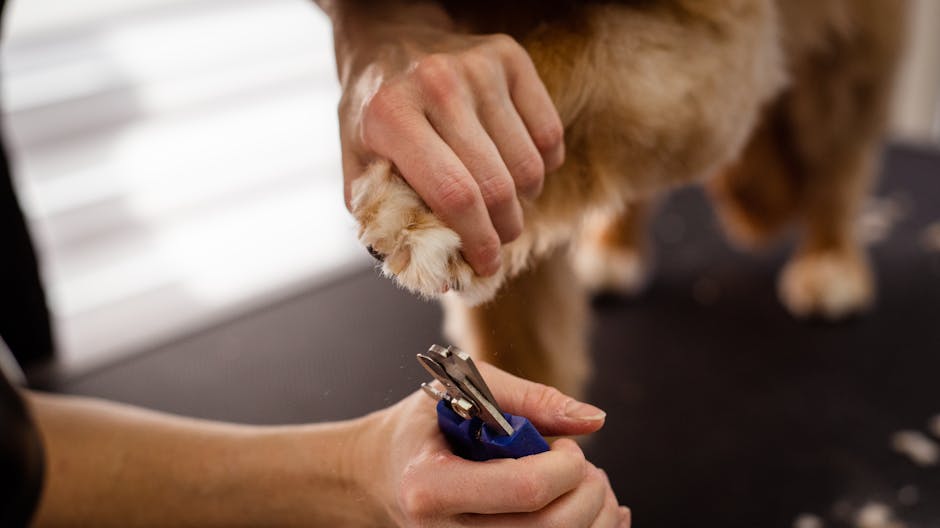
Walk your dog or cat in on the first Saturday morning of any month, no appointment. We'll trim nails while you wait, no charge.
Walk in with your dog or cat, no appointment and no charge.
See the schedule →


Share this story