Texas A&M Explains Chagas Risk for Dogs
The veterinary post examines kissing bugs and the disease they can spread to dogs.

Where kissing bugs live
Kissing bugs pose a health concern across Latin America and the southern United States. They feed on blood and may bite pets or people outside, but they can also move into homes. Their usual habitats include wildlife burrows and nests, along with sheltered areas such as piles of rocks or wood. Houses, kennels, and similar structures can attract them, especially when animals are nearby.
Activity is highest after dark. Because light attracts the insects, outdoor lighting may draw them toward buildings. A dark body with orange or red coloring along its edges can help distinguish a kissing bug. Adults reach roughly one inch in length. Young bugs, called nymphs, have no wings and can be extremely small, sometimes comparable to a rice grain. Identification help is available through the Kissing Bug Community Science program at Texas A&M University.
How infection happens
The bite alone does not necessarily result in major injury or an allergic response. The greater danger comes from Trypanosoma cruzi, a parasite carried by some kissing bugs and responsible for Chagas disease. The illness can kill animals as well as people, although many kissing bugs are not infected.
Transmission can occur when a feeding insect leaves fecal material containing the parasite. If that material reaches the eyes, mouth, or broken skin—including the bite wound—T. cruzi can enter the body. Dogs and wildlife face an additional route: swallowing an infected insect. Consumption is believed to account for most infections among dogs and wild animals. Cats and other mammals can also acquire the parasite.
In Texas, more than half of adult insects belonging to the state’s two most common kissing bug species carry T. cruzi. That figure describes the bugs rather than the infection rate among pets, but it helps explain why finding one near a dog’s sleeping or play area deserves attention.
Which dogs are affected
The full scale of infection in dogs cannot be calculated easily because broad canine screening is not available. Individual research projects have found the parasite in 8% to 18% of shelter and working dogs. Infections are being reported increasingly in Texas, Louisiana, and additional Southern states where the insects live. Rates may climb still higher among outdoor dogs housed together in some Texas kennels.
The effects vary considerably. Some infected animals show no recognized health consequences, while others develop dangerous cardiac disease. Young dogs, frequently puppies, may become gravely ill and die soon after infection. In other cases, warning signs do not emerge until several months have passed.
Symptoms owners may notice
Owners should watch for unusual exhaustion during play, walks, or other exercise. Another warning sign is a swollen abdomen caused by fluid accumulation. Awareness is particularly important in midsummer, when kissing bug numbers reach their seasonal high.
Sarah Hamer, a professor with the College of Veterinary Medicine & Biomedical Sciences at Texas A&M University, advises owners on the insects, possible symptoms, veterinary care, and exposure reduction. She is also part of the Canine Chagas Collaborative. Her guidance emphasizes that differences between infected dogs make veterinary evaluation important rather than relying on symptoms alone.
When to call the veterinarian
A veterinarian should be contacted when an owner suspects a pet encountered kissing bugs. Blood testing can check the animal for infection, and any treatment plan can then be tailored to that pet. Owners should also alert their veterinarian after discovering the insects where a dog rests or spends time playing.
Several research groups are studying how animals should be screened and treated, with the aim of producing clearer procedures and guidance. For now, recognizing the insect, paying attention during peak season, noting potential exposure, and responding to exercise-related fatigue or abdominal enlargement can help owners decide when veterinary attention is warranted.
- Adult kissing bugs can measure about one inch; some nymphs are as small as rice grains.
- More than half of adults from Texas’ two most common species carry Trypanosoma cruzi.
- Studies found infection in 8% to 18% of working and shelter dogs.
- Kissing bug populations peak during midsummer.
- Contact a veterinarian after suspected exposure or finding bugs near a dog’s sleeping or play areas.
Source: Texas A&M Veterinary Medicine & Biomedical Sciences ↗
Summarized from the reporting above. Read it for the full story.
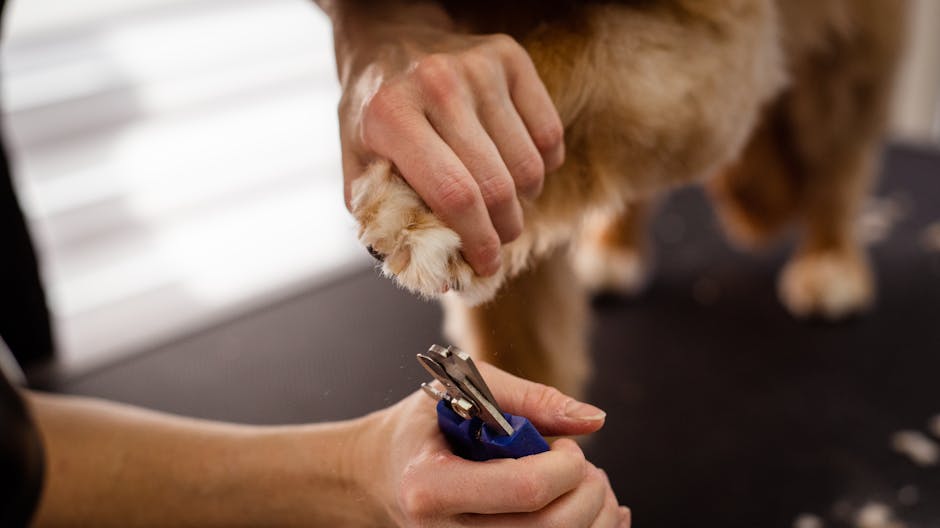
Walk your dog or cat in on the first Saturday morning of any month, no appointment. We'll trim nails while you wait, no charge.
Walk in with your dog or cat, no appointment and no charge.
See the schedule →


Share this story