How to Put Parasite Treatment on a Cat
Spot-on products can help protect cats from parasites, but year-round use for indoor cats is debated.
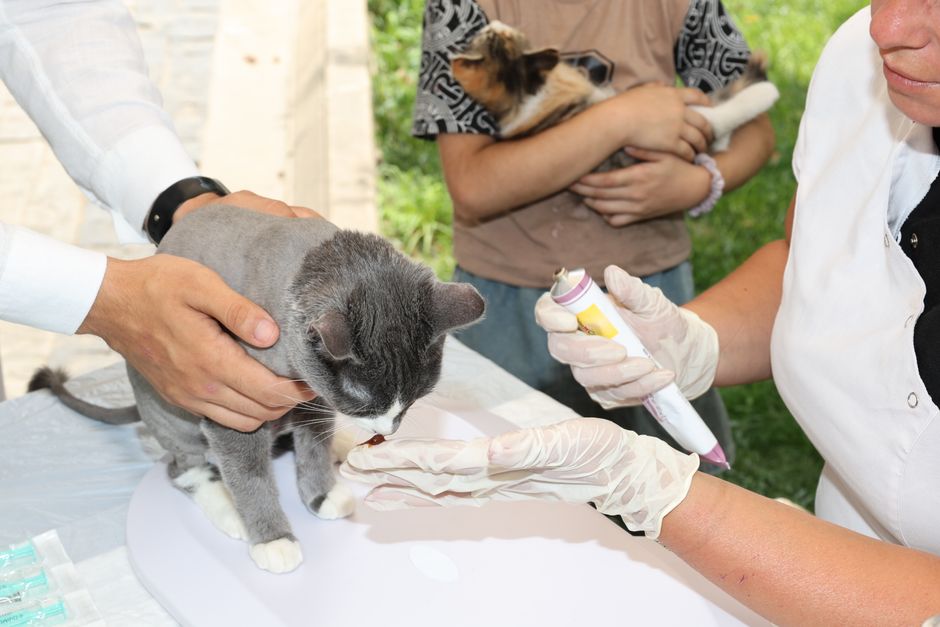
Choosing the right protection
Topical parasite medicines offer cat owners a convenient way to guard against several unwanted organisms. They are sold as liquid veterinary products in compact tubes or pipettes. After the medicine is placed on the designated area of bare skin—commonly behind the head, along the neck, or near the shoulder blades—it distributes over the cat’s body.
Products that look similar may not provide the same protection. Their active ingredients differ, as do the parasites they target. Fleas are a common focus, but certain formulas also cover ticks, mites, lice, heartworms, roundworms, and hookworms. A veterinarian can help match the medicine to the individual cat, its surroundings, and the relevant parasite risks.
The prevention plan may also reflect the cat’s daily life and household. Location matters, as does whether the cat goes outside and hunts. The presence of children or family members with weakened immune systems can also affect the decision. Although topical prevention is often needed, veterinarians do not all agree that every indoor cat should receive it throughout the year. Owners should make that choice with their veterinarian rather than assuming one schedule suits every cat.
Check the treatment schedule
How often a dose is needed depends on the particular medicine and the organisms it is intended to control. Numerous products require another application each month. Longer-acting options may continue working for as many as 12 weeks. Because the packaging can appear similar even when schedules differ, owners should follow the interval printed on the label or confirm it with their veterinarian.
Recording every application can prevent two opposite mistakes: allowing protection to lapse and giving another dose too soon. Owners should not transfer the timing instructions from one product to another. The schedule belongs to the selected medicine, and the label or veterinarian should guide its use.
Set up a calm application
Preparation can make the difference between a straightforward dose and a stressful encounter. Before opening the package, move to a quiet area where the cat is comfortable. Children and other animals should remain elsewhere. Owners who already use a familiar place for giving medicine can return to that setting. A few gentle strokes before beginning may also help the cat settle.
A relaxed, seated cat is preferable to one being forcibly held. If the cat tends to squirm, wrapping it in a blanket or towel may help. Past unpleasant experiences can make later applications difficult, so keeping the process cooperative is important. If distress becomes severe, stop and ask a veterinarian how to proceed safely. Do not simply postpone prevention without discussing another approach with the veterinarian.
Place the medicine correctly
Take the applicator out of its package and open it in the way the manufacturer specifies. Hold it upright during opening so the contents are less likely to spill. Next, separate the coat behind the head or around the neck until the skin underneath can be seen clearly. Reaching the skin can require extra patience on cats with medium or long coats.
The medicine must land on skin rather than remain on the hair. Put the applicator tip directly against the exposed area, then release the entire prescribed amount according to the manufacturer’s directions. Work gradually and with care so the fluid does not flow away into the surrounding coat. The usual application site is difficult for the cat to reach and is generally located behind the neck or around the shoulder blades.
Correct placement matters for both effectiveness and comfort. Even though the basic steps are uncomplicated, hurried handling can leave medicine on the fur, create unnecessary irritation, or make the experience more stressful. Choosing the suitable product, following its individual timing, and applying the dose to visible skin are all parts of using topical parasite prevention properly.
- Many treatments are given monthly; some remain effective for up to 12 weeks.
- Apply the complete prescribed dose directly onto visible skin, not the coat.
- Common application areas include the back of the neck and between the shoulder blades.
- Keep an application record to reduce missed doses or accidental overdosing.
- Ask a veterinarian before delaying prevention or changing the treatment schedule.
Source: Cats.com ↗
Summarized from the reporting above. Read it for the full story.
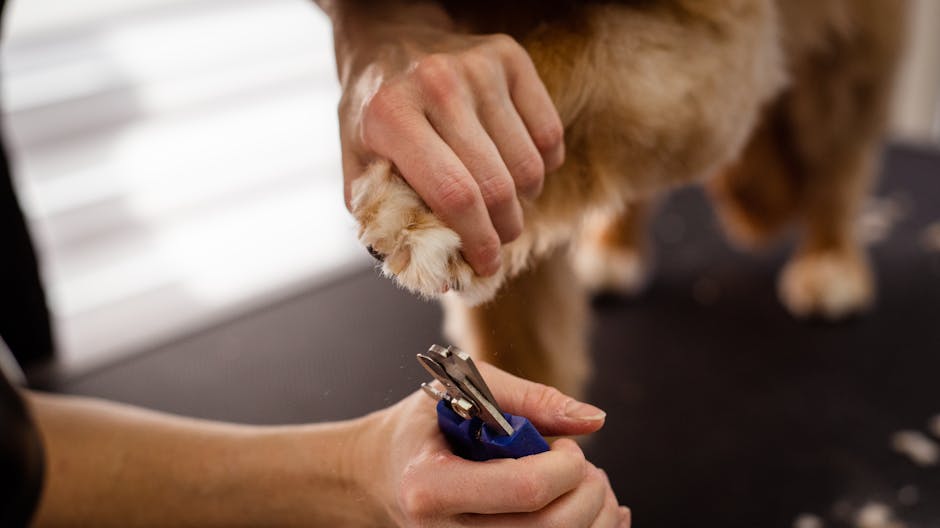
Walk your dog or cat in on the first Saturday morning of any month, no appointment. We'll trim nails while you wait, no charge.
Walk in with your dog or cat, no appointment and no charge.
See the schedule →


Share this story