Helping Cats Manage High Blood Pressure at Home
Diet, hydration, play and regular veterinary checks can support cats living with hypertension.

Why hypertension matters
Feline hypertension develops when blood presses against arterial walls with excessive force over a prolonged period. It is a serious condition, not simply a number that owners can manage through household changes. Without appropriate care, sustained high pressure can injure several vital organs, including a cat’s eyes, kidneys, heart and brain. Veterinary evaluation and an ongoing professional treatment plan therefore remain the foundation of care.
The condition commonly accompanies kidney disease, hyperthyroidism or chronic anemia. Senior cats also face greater risk, particularly once they are over 7 to 10 years old. Owners should ask their veterinarian how frequently their individual cat should be screened rather than waiting for outward symptoms to appear. Regular screening can identify changes that might otherwise go unnoticed.
Signs needing urgent care
Some effects of hypertension are sudden and dramatic. A cat may abruptly lose its sight, develop bleeding inside an eye, become disoriented, experience seizures or show a marked shift in behavior. Any of these signs warrants immediate contact with a veterinarian. Because high blood pressure can affect multiple organs, prompt attention is important even when a symptom seems limited to the eyes or behavior.
Clinics can check feline blood pressure with non-invasive equipment, including oscillometric devices. These tools allow the measurement to be taken safely and comfortably. One reading is not necessarily the end of the process: pressure can vary as time passes, making repeat checks an important part of management. Monitoring helps the veterinarian recognize shifts early and adjust the professional care plan when needed.
Food water and weight
Daily support can begin at mealtime. A nutritionally balanced, high-quality diet with less sodium may reduce the burden placed on the cardiovascular system. Salty processed foods made for people should be avoided. When kidney or heart concerns are also present, owners can ask about veterinarian-approved cat foods developed for those health needs. Any dietary switch should be discussed with the veterinarian before it becomes part of the cat’s routine.
Reliable hydration also supports kidney function, which has an important role in controlling blood pressure. Fresh water should remain readily available. Cats attracted to moving water may drink more readily from a fountain, making that one possible way to encourage fluid intake. The useful approach is the one that keeps water appealing and consistently accessible to the individual cat.
Body condition deserves attention as well because excess weight increases demands on the heart and blood vessels. Sensible portions, paired with regular activity, can help a cat maintain a healthier weight over time. Owners should coordinate feeding changes with veterinary guidance, especially when hypertension occurs alongside another medical condition requiring a particular diet.
Calm activity at home
Stress may cause short-lived rises in blood pressure, so a predictable and secure home environment can complement medical care. Cats may benefit from places where they can retreat, elevated options such as cat trees and protection from loud sounds. Avoiding abrupt disruptions to the household routine can also help make the surroundings feel safer.
Exercise supports both the heart and circulation while also helping with weight control. Interactive play for 10 to 15 minutes each day may be beneficial. The activity can become a dependable part of the cat’s routine, provided it suits the cat’s condition and has veterinary approval. This creates a practical connection between enrichment, movement and cardiovascular support without treating play as a substitute for clinical care.
Supplements and treatment
Fish-oil omega-3 fatty acids may support cardiovascular health, according to some studies. That possibility does not make an unsupervised supplement automatically appropriate. Owners should consult their veterinarian before adding omega-3s or changing the dose of anything already being given, since the broader treatment plan may also include medication and management of an underlying illness.
Natural measures can strengthen a cat’s overall support system, but feline hypertension is seldom corrected by those measures alone. Prescribed medicines are often required. Diet, water intake, weight management, a calmer environment, play and veterinarian-approved supplements work best alongside professional treatment and repeated blood-pressure measurements. Owners should never stop a prescribed drug or alter it without first consulting the veterinarian.
- Sudden blindness, eye bleeding, seizures, disorientation or major behavior changes require immediate veterinary attention.
- Interactive play for 10 to 15 minutes daily may support circulation.
- Cats over 7 to 10 years old face higher risk and should receive regular screening.
- Veterinarians can measure feline blood pressure with non-invasive oscillometric devices.
- Never change or stop prescribed medication without consulting a veterinarian.
Source: Animal Wellness Magazine ↗
Summarized from the reporting above. Read it for the full story.
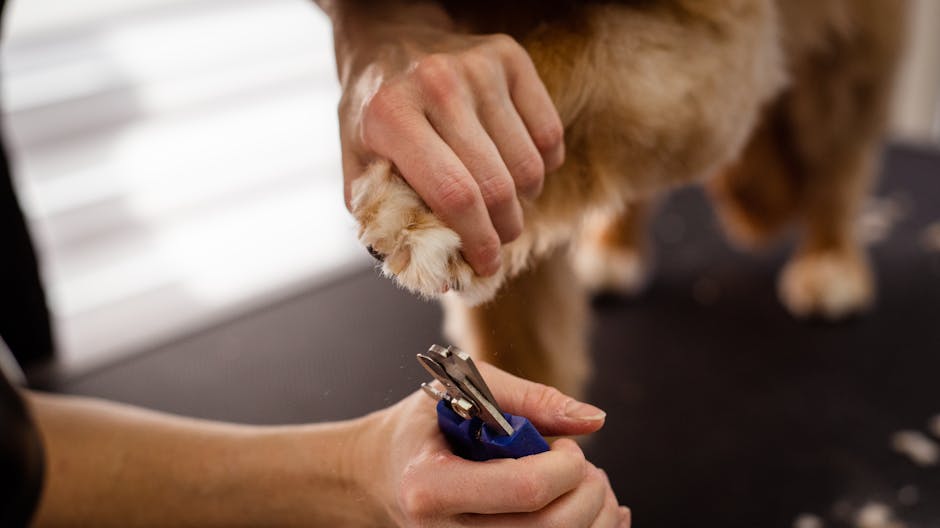
Walk your dog or cat in on the first Saturday morning of any month, no appointment. We'll trim nails while you wait, no charge.
New dogs and cats get a full wellness exam for $29, any weekday.
Book the exam →


Share this story