Dog Dental Health May Be Tied to the Gut
Swallowed saliva continually moves microbes from a dog’s mouth into the digestive system.

One Connected Microbial System
A dog’s mouth and digestive tract each contain communities of microorganisms. Within the mouth, many microbes are beneficial or cause no harm. Others are linked with the accumulation of plaque, inflammation in the gums and periodontal disease. This mixture of organisms is the oral microbiome, and its condition is part of dental health rather than something separate from it.
The mouth does not operate in isolation from the rest of the body. Every time a dog swallows saliva, microbes living around the teeth and gums travel into the digestive tract. This ongoing transfer creates a relationship known as the oral-gut axis. Although the mouth and intestines maintain different microbial populations, organisms entering from the mouth may still influence the balance within the gut.
That connection gives daily dental care a broader purpose. Looking after the teeth and gums can reduce oral conditions associated with troublesome microbes, while attention to digestive wellness may help sustain an oral environment that is more balanced. Supporting both areas is presented as one approach to a dog’s overall well-being.
Influence Travels Both Ways
The oral-gut axis can affect a dog in either direction. Harmful microbes that flourish in the mouth can be carried downward in swallowed saliva. Once they reach the digestive tract, they may alter its microbial community and contribute to inflammation in other parts of the body. The condition of the mouth may therefore have implications beyond visible plaque, sore-looking gums or unpleasant breath.
Digestive health can also shape conditions in the mouth. An unhealthy gut may increase inflammation and interfere with the absorption of nutrients. Those effects can reach the gums and influence the broader oral setting. Maintaining a healthy intestinal microbiome may consequently support gum health, microbial balance in the mouth and the dog’s general condition.
This two-way relationship is why a routine focused only on breath may miss part of the picture. Fresh breath can be a welcome result, but the larger goal is to care for the microbial environments in both the mouth and digestive system. Neither community is identical to the other, yet the continual passage of saliva keeps them connected.
Daily Dental Care Still Matters
Consistent oral hygiene helps control plaque while that material is still soft. If it remains on the teeth, it can harden into tartar and contribute to disease affecting the gums. Regular brushing is one method of providing that care, and dental supplements offer another option. Veterinary dental assessments are also part of maintaining the condition of a dog’s teeth and gums over time.
A routine can therefore combine care performed at home with dental evaluations by a veterinarian. The home component addresses recurring buildup, while professional assessments support continued attention to oral health. Adding digestive support reflects the possibility that inflammation and microbial imbalance in the gut can also affect what is happening around the teeth and gums.
The practical takeaway is not that dental care should be replaced by digestive care. Instead, the two can be considered together. Brushing or an appropriate supplement can address the mouth each day, while ingredients intended for digestive wellness can support the intestinal side of the oral-gut connection.
A Food Based Supplement
Clean Agility Dental Health Supplement is offered as a daily powder that is mixed into a dog’s food. Its natural ingredient blend is intended to limit the accumulation of plaque and tartar, support the teeth and gums, and make breath fresher. Because it is added to a meal, it can be incorporated into an everyday dental routine without creating a separate feeding step.
The formula also includes ingredients directed toward digestion. Milk kefir powder supplies beneficial probiotics, supporting both the intestinal microbiome and digestive wellness. Yucca root is included to provide added digestive support. These components extend the product’s focus beyond the mouth and toward the gut side of the microbial relationship.
Used as part of regular care, the powder is designed to address oral condition, digestion and the intestinal microbial community in one product. It can accompany routine brushing or serve as a dental-supplement option, while veterinary dental evaluations remain another element of ongoing care. The combined approach reflects the central idea of the oral-gut axis: what enters the digestive tract from the mouth, and what happens within the gut, may each influence a dog’s health.
- Swallowed saliva continually carries oral microbes into a dog’s digestive tract.
- Plaque can harden into tartar and contribute to gum disease.
- Regular brushing, dental supplements and veterinary dental assessments support oral care.
- Clean Agility’s daily powder is mixed into food.
- Milk kefir powder provides probiotics, while yucca root supports digestion.
Source: Animal Wellness Magazine ↗
Summarized from the reporting above. Read it for the full story.
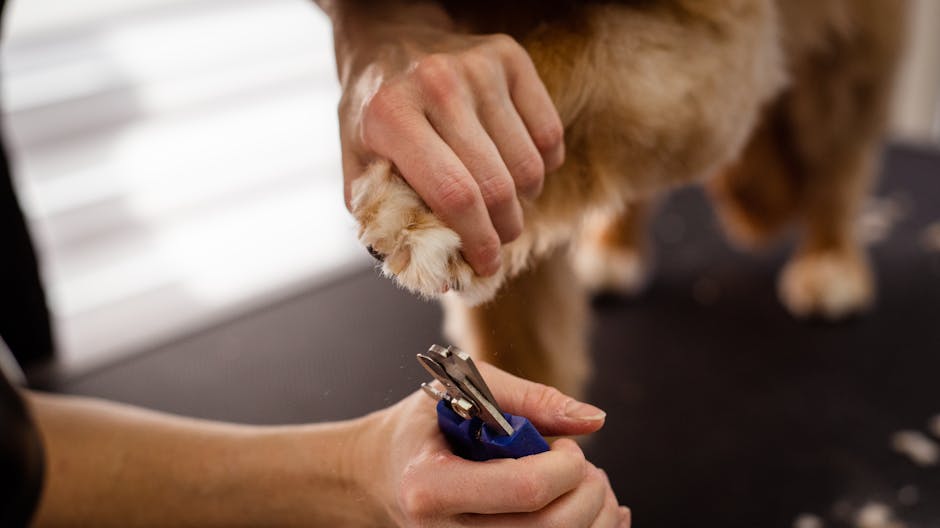
Walk your dog or cat in on the first Saturday morning of any month, no appointment. We'll trim nails while you wait, no charge.
Walk in with your dog or cat, no appointment and no charge.
See the schedule →


Share this story