Halloween Candy and Decorations Pose Risks for Pets
Chocolate, xylitol, wrappers, candles and doorbells can create trouble for dogs and cats.

Secure every sweet
The treat bowl deserves special attention before visitors begin arriving. Chocolate is toxic to dogs and can cause vomiting, diarrhea and unusually fast breathing. Seizures may occur in severe cases. Risk varies by type: dark varieties are more dangerous, and baking chocolate is also among the most toxic. A dog does not need to consume a large quantity before serious symptoms become possible.
Sugar-free products require a separate check. Some candies and chewing gums contain xylitol, an artificial sweetener that can produce a dangerous plunge in a dog’s blood sugar. Owners should therefore keep ordinary chocolate, sugar-free treats and gum somewhere that curious noses and paws cannot access. Putting the bowl higher may help, but every supply of sweets should remain fully inaccessible to pets throughout the celebration.
Remember the wrappers
The danger does not end after a piece of candy has been eaten. Discarded packaging can attract an interested dog or cat because it may still smell or taste like the treat it held. When swallowed, a wrapper can obstruct the animal’s digestive system. That kind of blockage can become serious and calls for professional guidance rather than an attempt to manage the problem at home.
Candy storage and cleanup should be treated as parts of the same precaution. Owners can keep the main bowl secured, watch where guests and children leave their treats, and make sure empty packaging does not remain within reach. If a dog consumes chocolate, xylitol or another potentially harmful item, the recommended response is to contact a veterinarian immediately. The same prompt call is appropriate when an animal swallows candy packaging.
Help is also available around the clock through two poison services. Pet Poison Helpline can be reached at 855-764-7661, while ASPCA Animal Poison Control is available at 888-426-4435. These numbers can be saved before Halloween so an owner does not have to search for them during a suspected ingestion.
Choose safer decorations
Seasonal displays can create another set of hazards for both dogs and cats. A real candle placed inside a jack-o’-lantern could be knocked over, creating a fire risk. Replacing an open flame with a battery-powered candle removes that particular danger while preserving the illuminated decoration.
Fake cobweb material, small pieces of plastic and other decorative items may invite chewing. If swallowed, those materials can lodge in the digestive tract and may result in emergency veterinary care. Decorations should be arranged with an animal’s reach and behavior in mind, especially when loose material hangs down or small pieces can be pulled free.
Reduce the commotion
Halloween activity can be deeply stressful for pets even when they never encounter candy or decorations. Repeated doorbell sounds, unfamiliar people wearing costumes, loud noise and a change in routine can create anxiety in dogs and cats. Possible warning signs include trembling, retreating into hiding places, pacing, drooling and attempts to escape.
The open front door presents a particular concern. A frightened animal may bolt outside when the door opens for trick-or-treaters. During visiting hours, a safer arrangement is to place the pet in a calm, separate space that is removed from the entrance and its repeated activity. This limits exposure to visitors, costumes, noise and the constant opening of the door.
Animals that regularly struggle with anxiety may benefit from advance planning with a veterinarian. Owners can discuss the problem before Halloween and ask for suggestions that may help the pet remain calmer. Waiting until the household is already busy leaves less opportunity to prepare an approach suited to that animal.
Prepare for an escape
Even with precautions, identification should be checked before the holiday. A pet’s collar identification needs to be current, and the contact details connected with its microchip should also be reviewed. If an anxious dog or cat manages to slip through the doorway, accurate information can help the animal return home.
A practical Halloween plan brings these measures together: secure sweets and used wrappers, replace flames with battery-powered lights, remove chewable decorations from reach, give anxious animals a protected space, and verify their identification. The goal is to address ingestion, fire, digestive blockage, stress and escape risks before the evening’s activity begins.
- Pet Poison Helpline: 855-764-7661
- ASPCA Animal Poison Control: 888-426-4435
- Dark and baking chocolate pose the greatest chocolate danger.
- Battery-powered candles avoid the fire risk of open flames.
- Review collar identification and microchip contact details before Halloween.
Source: Animal Wellness Magazine ↗
Summarized from the reporting above. Read it for the full story.
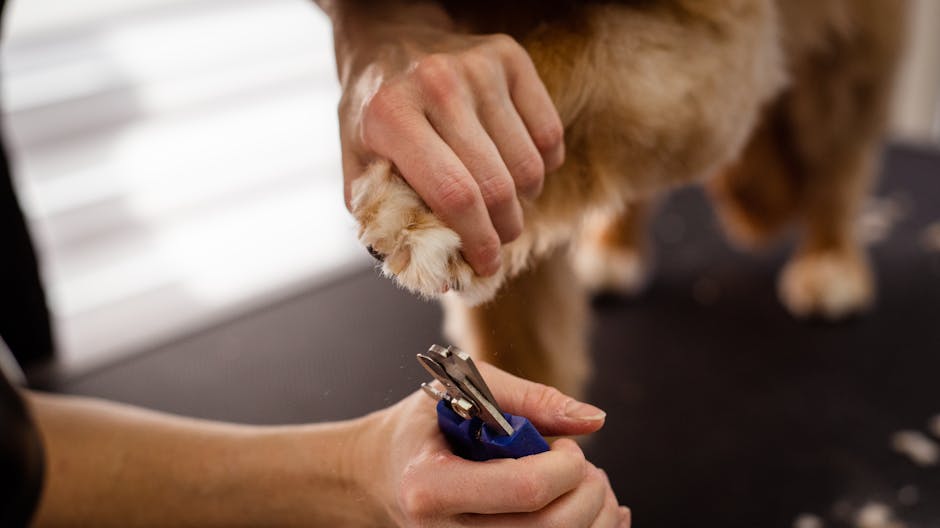
Walk your dog or cat in on the first Saturday morning of any month, no appointment. We'll trim nails while you wait, no charge.
Walk in with your dog or cat, no appointment and no charge.
See the schedule →

Share this story