What Your Dog’s Unwanted Behavior May Be Signaling
Animal Wellness Magazine explores the possible reasons behind barking, growling, reactions, and chewing.
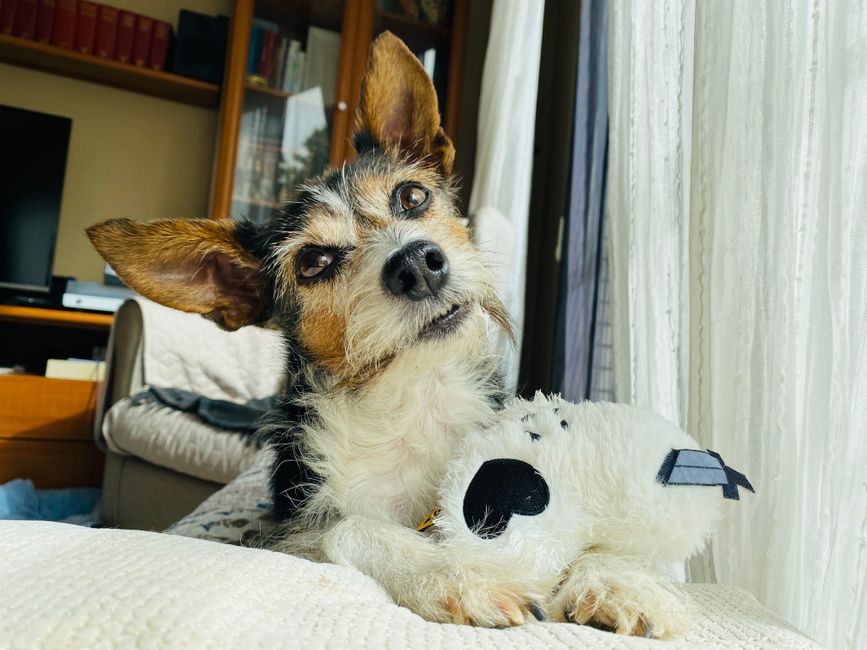
Behavior carries information
A dog’s actions can reveal pressures that are otherwise impossible for the animal to explain. Tooth pain cannot be described in words. Discomfort around an unfamiliar person cannot be spelled out. An overwhelming setting cannot be discussed. Instead, barking, growling, chewing, biting, or reacting may become the outward signs of an internal experience.
That perspective changes the owner’s task. Correcting the visible action may still be necessary, especially when safety is involved, but stopping it does not automatically address what produced it. Physical condition, emotions, nervous-system state, surroundings, relationships, and unfulfilled needs can each shape how a dog behaves. An effective response therefore begins with treating the action as useful information rather than viewing it only as disobedience.
When silence misleads
Consider a dog who growls as someone bends down to touch him. An interruption or correction might end the sound, creating the appearance that the issue has been fixed. Yet the dog could still be hurting, frightened, stressed, sensitive about close contact, or uneasy with someone he does not know well.
The growl may also follow earlier, quieter expressions of discomfort that people missed. If those signals failed, the dog may have intensified his communication. Removing that warning does not necessarily remove the underlying distress. It can simply leave the person with less visible information about what the dog is experiencing. Trust, familiarity, personal space, and a sense of safety may all matter in that moment.
Start with observation
Before deciding how to respond, reconstruct the circumstances surrounding the behavior. Notice what occurred immediately beforehand and identify everyone who was nearby. Compare incidents to see whether the response appears every time or only in particular situations. Pay attention to whether it happens around strangers, familiar people, specific environments, or certain kinds of interaction.
Patterns can point toward possible contributors. Pain or illness may be involved, as may chronic stress, fear, sensitivity, overstimulation, or a triggering feature of the environment. Owners should also consider whether the dog has enough physical activity, mental engagement, emotional support, and outlets connected to breed-specific needs. The aim is to examine the dog’s full experience instead of isolating a single unwanted act.
Owners shape the setting
A dog does not behave separately from the people around him. An owner contributes to the animal’s environment, relationships, and learning history, so self-examination belongs in the process. Expectations may be unrealistic, directions may lack consistency, or boundaries and structure may not be clear enough. Fulfillment may also be missing even when an owner is focused on correcting conduct.
Human emotions, energy, and repeated behavioral patterns can influence the interaction too. Looking at those factors is not about assigning blame. It helps reveal changes that may make communication more understandable and daily life more predictable. Greater consistency, clearer guidance, and respect for the dog’s limits can support a healthier relationship while addressing the concern.
Match help to the cause
What happens next should follow from what observation uncovers. Some dogs may need medical attention. Others may benefit from changes to their surroundings, more predictable routines, enrichment, decompression time, clearer direction, or support in building better coping skills. When the concern is complicated, assistance from a qualified behavior professional may be appropriate.
Searching for a cause does not require tolerating dangerous or inappropriate conduct. A bite remains a safety issue, and reactivity can still call for active management. Boundaries, advocacy, protection of personal space, and professional help may all be needed. Curiosity and safety can operate together: owners can prevent harm while also investigating the pain, stress, fear, or unmet need behind the response.
The most useful shift is in the first question an owner asks. Rather than focusing exclusively on making the action stop, consider what the dog may be going through and what support could help. That approach can produce better-informed choices, improve the dog’s well-being, and strengthen the bond between dog and owner. Meaningful progress begins when the message beneath the behavior receives attention alongside the behavior itself.
- Track what happens before the behavior and who is nearby.
- Consider pain, illness, fear, stress, overstimulation, and unmet needs.
- Unsafe behavior still requires boundaries and management.
- Complex concerns may need qualified behavioral support.
Source: Animal Wellness Magazine ↗
Summarized from the reporting above. Read it for the full story.
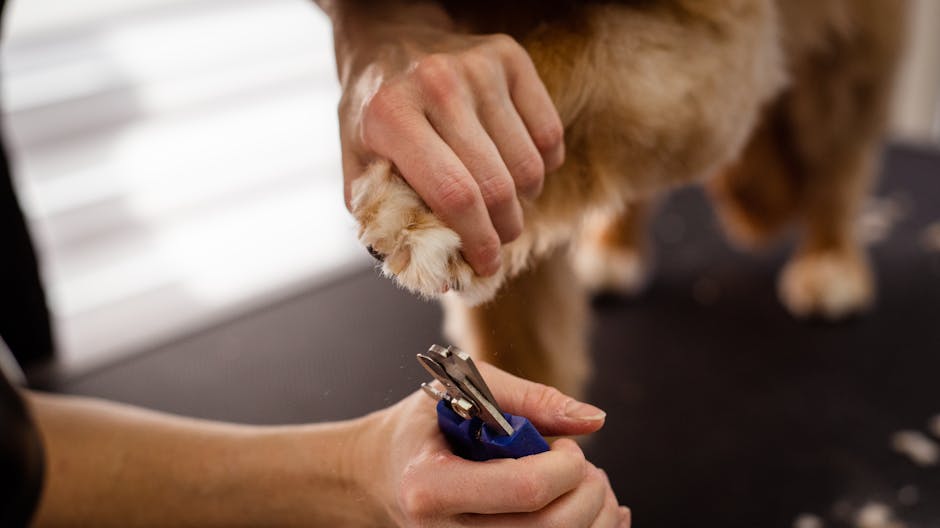
Walk your dog or cat in on the first Saturday morning of any month, no appointment. We'll trim nails while you wait, no charge.
Walk in with your dog or cat, no appointment and no charge.
See the schedule →


Share this story