Five Winter Health Concerns for Indoor Cats
Cold weather can bring dry skin, weight gain, breathing problems and sore joints.

Skin and coat changes
A heated home may feel inviting when outdoor temperatures fall, but warming the rooms also removes moisture from indoor air. That dryness can affect a cat’s skin and fur. Watch for increased scratching, flakes on the skin, or a coat that has become rough to the touch or lost its usual shine. Those flakes are sometimes described as cat dandruff.
Adding humidity to the home may relieve some of the dryness. A humidifier can restore moisture that heating has removed. Food may also play a role in supporting healthier skin and fur, so owners can ask a veterinarian whether an adjusted diet or omega-3 supplementation would suit their cat. Dietary changes and supplements should be considered with veterinary guidance rather than treated as a universal solution.
Activity and weight
Many cats spend more of winter sleeping and less of it playing. Because that reduced movement means fewer calories are used, unchanged portions can contribute to weight gain. How much food a cat needs depends partly on its activity, and an animal that lounges more may require fewer calories than it did during a more active period.
Weight changes matter beyond appearance. Additional pounds place more pressure on joints and organs and, over time, may contribute to diabetes or heart disease. Regular play can help a cat remain active indoors. Toys, laser pointers, and feeders that turn eating into a puzzle can all encourage movement. When an owner is worried about weight, a veterinarian can recommend an appropriate combination of food and exercise based on the individual cat’s health history and needs.
Stiffness and sore joints
Lower temperatures may intensify joint discomfort, with older cats and those already living with arthritis facing particular risk. A cat in pain may walk more slowly, pause before jumping, or look stiff after rising. Irritability when a tender area is touched can also be a warning that movement has become uncomfortable.
Warm rooms and soft sleeping areas can make winter easier, especially when beds are placed where the cat can reach them without a difficult climb. Steps and ramps offer another way to help an animal with limited mobility reach favored places. Persistent stiffness or suspected joint pain warrants a conversation with a veterinarian about available options for managing discomfort.
Breathing symptoms
Winter air can be both cold and lacking in moisture, which may aggravate the feline respiratory tract. Cats that already have asthma or an upper-airway illness can experience worse symptoms during the season. Possible signs include sneezing, coughing, wheezing, and fluid coming from the nose.
Keeping indoor temperatures comfortable can reduce exposure to chill, while a humidifier may make dry air less irritating. Breathing trouble deserves prompt attention. Owners who see a cat struggling to breathe should contact their veterinarian as quickly as possible rather than waiting to see whether the symptom improves.
Boredom and winter behavior
Shorter exposure to sunlight and longer stretches inside can leave cats stressed or bored. The resulting changes are not always obvious signs of seasonal frustration. A cat may groom excessively, become aggressive, or begin behaving unusually around the litter box. These shifts show why mental engagement deserves the same attention as physical exercise.
A perch near a window can give a cat something new to observe, and a bird feeder outside may make that view more engaging. Rotating toys also changes the available stimulation instead of leaving the same objects in place throughout the season. Owners should still consult a veterinarian whenever health or behavior changes appear, since such changes can indicate that something is wrong.
Comfort also depends on adequate warmth. Constantly seeking heated locations, shivering, curling into an unusually tight position, or showing less energy can suggest that a cat feels cold. In a drafty or poorly heated home, additional blankets or a heated cat bed may provide a warmer resting place. Small changes to the household environment, feeding, play, and access to favorite spaces can help an indoor cat remain more comfortable through winter.
- Watch for scratching, flaky skin, rough fur, or a dull coat.
- Reduced play without adjusted food portions may lead to weight gain.
- Slow movement, stiffness, and reluctance to jump can indicate joint discomfort.
- Coughing, wheezing, sneezing, or nasal discharge require attention.
- Contact a veterinarian promptly if a cat has difficulty breathing.
Source: Animal Wellness Magazine ↗
Summarized from the reporting above. Read it for the full story.
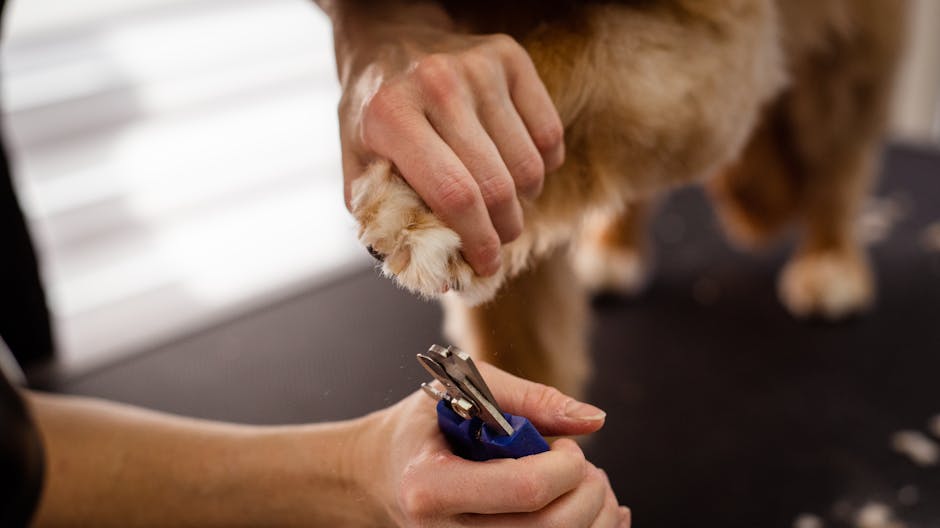
Walk your dog or cat in on the first Saturday morning of any month, no appointment. We'll trim nails while you wait, no charge.
New dogs and cats get a full wellness exam for $29, any weekday.
Book the exam →


Share this story