Daylight Saving Time Can Disrupt Pet Routines
Feeding, walks, sleep and medication schedules may all shift by an hour.

Why routines wobble
Dogs and cats often organize their days around familiar household patterns. A clock change moves those patterns forward or backward by one hour, even though a pet may still expect breakfast, a walk, bedtime or medication at the usual moment. That mismatch can temporarily unsettle an otherwise dependable routine.
The effects may appear in ordinary behavior. A dog might rise earlier than expected, while a cat may become more vocal as breakfast approaches. Eating, energy, sleep and bathroom habits can also change while the animal adapts. Many pets settle within a few days, although others need more time.
Owners can ease the transition by preserving the sequence and feel of morning and evening routines. Consistency gives pets dependable cues while their schedules catch up with the household clock. Patience matters because every animal responds differently to the shift.
Move meals gradually
Instead of changing breakfast and dinner by the full hour at once, begin before the clocks change. Move each meal by 10 to 15 minutes per day during the preceding days. A series of smaller adjustments can make the new mealtime feel less abrupt and help a pet become comfortable with it.
The same gradual method can be used for a dog’s walks and bathroom outings. Regular opportunities to go outside are important for dogs, and shifting them in stages may help prevent accidents. Cats also benefit from a predictable plan, especially when scheduled outdoor access is part of their day.
Keep morning, bedtime and other daily habits as steady as practical throughout the transition. The goal is not simply to follow the new clock immediately, but to guide the pet toward the revised schedule without removing the familiar structure it relies on.
Use activity to help
Exercise and enrichment can support pets as they settle into different timing. Additional walks or play sessions offer physical activity, while puzzle toys and games that involve interaction provide mental engagement. These options can keep dogs and cats occupied and content as their daily rhythms shift.
Owners should continue watching how their pets respond rather than assuming every animal will adapt at the same pace. Changes involving appetite, energy, sleeping or bathroom behavior are useful signs to monitor. Most animals adjust quickly, but a veterinarian should be contacted when a change persists or causes concern.
Plan medical schedules carefully
Medication timing deserves extra preparation. This is especially important for dogs and cats with diabetes that receive insulin, because shifting both meals and insulin may influence blood glucose. Those schedules must follow the individual treatment plan rather than a general approach used for other pets.
Before the time change, owners should ask their veterinarian how to move feeding and medication times safely. Insulin timing or dosage should never be altered without veterinary direction. Animals receiving other medicines on a regular schedule may also require an adjustment, and owners who are uncertain should consult their veterinarian.
Possible warning signs include weakness, trembling, greater thirst, appetite changes, unusual drowsiness or an unsteady gait. Because low blood sugar may become life-threatening, these symptoms require veterinary attention immediately. Advance planning helps protect a medically vulnerable pet while the rest of the household adopts its revised timetable.
Settle into the change
Preparation does not need to be complicated. Small schedule movements, familiar routines and added opportunities for exercise or mental stimulation can make the transition gentler. Owners can pair those measures with close observation, allowing them to recognize whether their dog or cat is adapting normally or needs professional guidance.
Pets do not understand why familiar events suddenly arrive at different clock times. A steady approach gives them room to reconnect their expectations with the household schedule. With consistency, attention and patience, feeding, walks, sleep, bathroom breaks and medication routines can return to a dependable pattern.
- Shift meals by 10 to 15 minutes daily before the clock change.
- Gradually move dog walks and bathroom breaks to help avoid accidents.
- Ask a veterinarian before adjusting feeding, medication or insulin schedules.
- Weakness, trembling, sleepiness or wobbliness require immediate veterinary attention.
- Many pets adapt within a few days, while some take longer.
Source: Animal Wellness Magazine ↗
Summarized from the reporting above. Read it for the full story.
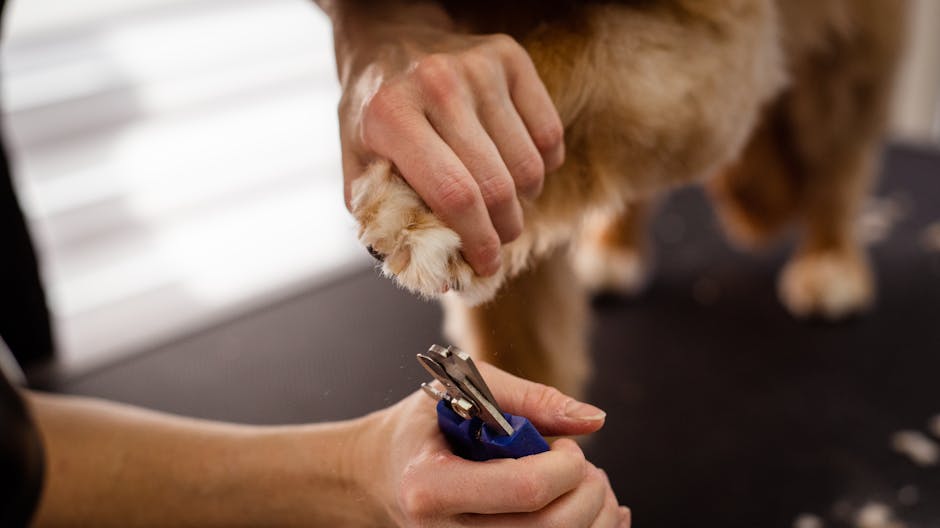
Walk your dog or cat in on the first Saturday morning of any month, no appointment. We'll trim nails while you wait, no charge.
Walk in with your dog or cat, no appointment and no charge.
See the schedule →


Share this story