UK Plans to Ban Some Airline Fees
The proposal targets family seating charges and simple name-change fees, while aviation taxes remain high.
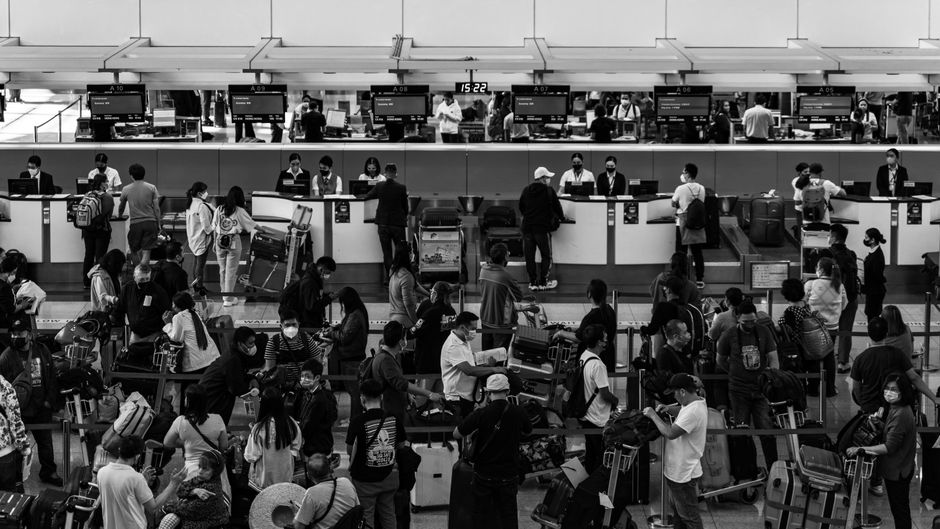
Two fees in focus
The British government’s plan would remove two airline charges that can turn small booking issues into added costs. Carriers would have to place children younger than 14 beside a parent or guardian without charging for that seating arrangement. The government estimates that securing family seats on both legs of a trip can currently cost parents as much as £104.
Airlines would also be prohibited from collecting a fee when a passenger corrects a straightforward mistake in the name entered on a reservation. The Department for Transport characterized such charges as unfair and irritating because they penalize travelers for minor administrative errors. Prime Minister Andy Burnham presented both measures as practical relief for working families whose final travel bill can grow through a series of additional fees.
The proposal is aimed at specific extras rather than the underlying fare or every charge attached to flying. For travelers booking family trips, its clearest effect would be to make adjacent seating for young children part of the basic service. Passengers fixing simple name errors would likewise no longer have to pay an airline merely to correct the booking.
Current airline practices
The practical change may be narrower than the announcement suggests. No carrier based in the UK presently makes families pay to sit with their children. Many airlines already permit free corrections to name errors when passengers request the change during the first 24 hours after booking. Ryanair is among the carriers offering that window.
Ryanair’s family-seating rules changed only recently. Before June, a parent or guardian traveling with a child from age 2 through 11 had to pay £8 to reserve the adjoining seat. The airline did not permit those adults to be separated from their children, meaning the charge was effectively compulsory. Travelers without children could instead skip a reservation and accept whatever seat was assigned during check-in.
The carrier maintained that its approach complied with the law. It removed the fee after the UK competition regulator began examining the policy. The government’s proposed requirement would establish a broader rule, preventing airlines from reintroducing this kind of family-seating charge for children covered by the new age threshold.
Taxes remain untouched
The planned restrictions do not extend to Air Passenger Duty, or APD. This government-mandated amount is included when a journey originates in the UK, and the passenger bears the cost. Depending on the itinerary and cabin, it ranges from £8 for a short domestic Economy Class flight to £253 on a premium-cabin long-haul journey.
Another rise is already scheduled. In April 2027, APD rates are set to climb by 3%. The levy represents roughly one-tenth of the average airline ticket price. Comparable shares are lower elsewhere: Belgium’s is 4%, France’s is 5%, and Italy’s is 7%. Ireland, Poland and Sweden have no corresponding duty.
APD is determined by where the overall journey begins. A traveler starting abroad does not pay it even when a connection goes through an airport in the UK. That distinction can produce unusual routing choices. For some British passengers heading to the United States, traveling first to Spain and then returning to the UK for the transatlantic segment can cost less than beginning the long-haul itinerary at home.
A mixed result for travelers
The fee ban could give families a firm entitlement even where airlines have already adjusted their practices. It would also standardize free handling of basic name corrections instead of leaving passengers dependent on a carrier’s policy or a limited correction period. Those protections target costs that arise after a traveler has selected a flight.
The larger government charge, however, will remain part of tickets for journeys originating in the UK. Its scheduled increase means that the savings from eliminating seating and correction fees will coexist with higher aviation taxation. APD is intended in part to discourage demand by making air travel more expensive and thereby reduce greenhouse emissions. Yet the way it applies can encourage some passengers to add flights in order to begin their itinerary elsewhere and avoid the duty.
For people planning trips, the distinction is important: the proposal addresses certain airline-imposed extras, while leaving the principal passenger tax unchanged. Families with children under 14 would gain the most explicit new protection, and anyone making a simple booking-name mistake would be covered. The total ticket price would still reflect APD whenever the journey starts in the UK.
- Children under 14 would sit with a parent or guardian free.
- Family seating can currently add as much as £104 to a return trip.
- Simple name-error corrections would carry no airline fee.
- APD ranges from £8 to £253, depending on route and cabin.
- APD rates are scheduled to rise 3% in April 2027.
Summarized from the reporting above. Read it for the full story.
Winter weeks, altitude, and a fire at the end of the day. Tell us what the trip should feel like and we'll shape complete options you can compare.
Ask 4Vacations →
Share this story