Guide Covers Alaska Cruise Routes, Ports and Ships
The guide also includes planning tips and ideas for things to do.
Why cruise Alaska
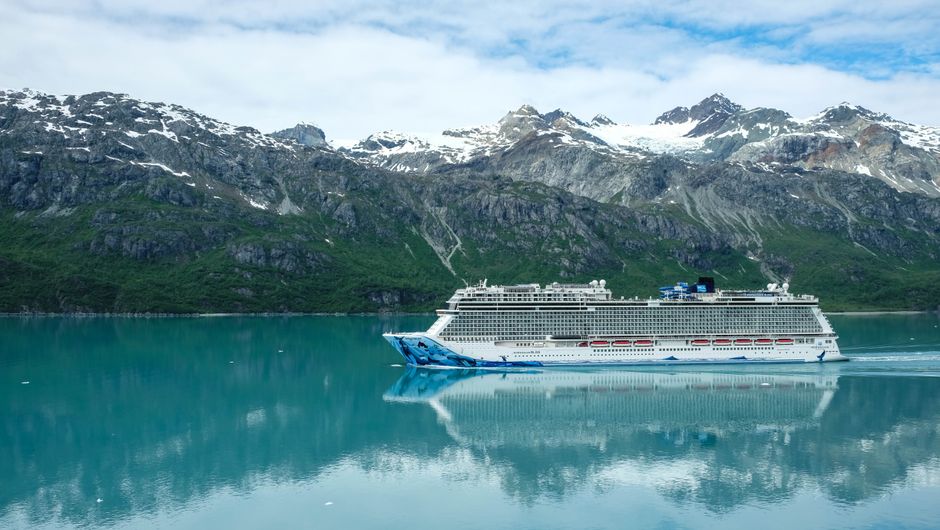
Cruising offers a comfortable way to experience Alaska’s rugged scenery while moving among communities, glaciers, cultural sites and wildlife-rich landscapes. A single journey can connect travelers with gold rush towns, Alaska Native heritage, natural areas and views that would be difficult to combine independently. Depending on the ship and cruise line, the experience can range from practical comfort to luxury.
Many travelers arrive with a familiar wish list: watching eagles, bears or whales; seeing dramatic landscapes; exploring Native cultures; and learning about gold rush history. Excursions can add experiences such as riding a dogsled on an ice field, panning for gold or eating a substantial salmon meal. The variety makes the destination especially appealing to travelers who want scenery, history and active adventures within the same vacation.
A ship is particularly useful for reaching communities along the Inside Passage that have no road access. It also gives passengers a sea-level perspective on many well-known glaciers. Rather than treating transportation as a separate planning problem at every stop, travelers can use the vessel as their lodging, dining base and link between destinations.
Choosing the route
The Inside Passage draws the largest share of Alaska cruises. This coastal waterway follows southern Alaska, continues into British Columbia and Washington state, and winds among numerous islands. Typical weeklong voyages leave from Seattle or Vancouver. These round-trip options can reduce the need for a long, costly flight into Anchorage or Fairbanks.
Other sailings continue northward through the Gulf of Alaska. These are commonly one-way trips using ports located near Anchorage at the beginning or end. That format is better suited to travelers who want to connect their time at sea with an inland extension.
Denali National Park and Preserve is among the inland destinations that can be added before or after an eligible sailing. Cruise line-operated extensions create a combined land-and-sea itinerary without requiring passengers to assemble separate bookings for hotels, ferries, buses and trains. Travelers choosing a round-trip departure from Seattle or Vancouver should note that this structure does not allow a postcruise Denali extension.
Timing the trip
Most large cruise companies operate in Alaska between May and the middle of September. A smaller number stretch the calendar, beginning in April or continuing into October. The limited season reflects conditions that make early spring and late fall less suitable, including low temperatures, ice on the water and a lengthy period of snow.
Conditions can shift considerably during a single day. Mornings and evenings may sit in the 40s or 50s, while sunny summer afternoons can climb through the 70s and occasionally reach the low 80s. Rain is common, although spring is generally less wet than summer.
The right month depends on a traveler’s preferred activities, tolerance for rain and cool temperatures, and budget. Departures in April and May, along with those in September and October, usually cost somewhat less than cruises during June, July and August. Those seeking lower fares therefore have options at both edges of the season, with weather tradeoffs to consider.
Planning around priorities
Selecting an itinerary involves more than choosing a departure city. Travelers should compare cruise lines with their preferred vacation style, decide which Alaska ports matter most and identify the shore activities they want to prioritize. The expected experience should guide the month as well as the route, since weather, pricing and available activities can influence the decision.
Early organization can matter financially because stronger fare offers often go to people who reserve well ahead of departure. Cruising may also make the overall trip more manageable financially. Meals, a room and transportation between ports are packaged into the cruise fare, while dining costs within Alaska can be expensive. When promotional pricing is available, that bundled structure may compare favorably with arranging the major pieces separately.
The planning choices ultimately connect: a round-trip sailing may simplify flights and control costs, while a one-way voyage can support a broader land itinerary. Matching the route, season, cruise line and excursions to personal priorities is the clearest way to shape a trip around wildlife, glaciers, cultural experiences or inland exploration.
- Most major cruise lines sail from May through mid-September.
- Some Alaska sailings operate in April or October.
- Round-trip cruises commonly depart from Seattle or Vancouver.
- Shoulder-season cruises are generally cheaper than June, July and August departures.
- Morning and nighttime temperatures can be in the 40s and 50s.
Summarized from the reporting above. Read it for the full story.
Winter weeks, altitude, and a fire at the end of the day. Tell us what the trip should feel like and we'll shape complete options you can compare.
Ask 4Vacations →

Share this story