A Three-Day Guide to Naples’ Archaeology and Spritz Stops
A longtime observer of the city shares a compact itinerary for seeing Naples and finding places to sip a spritz.
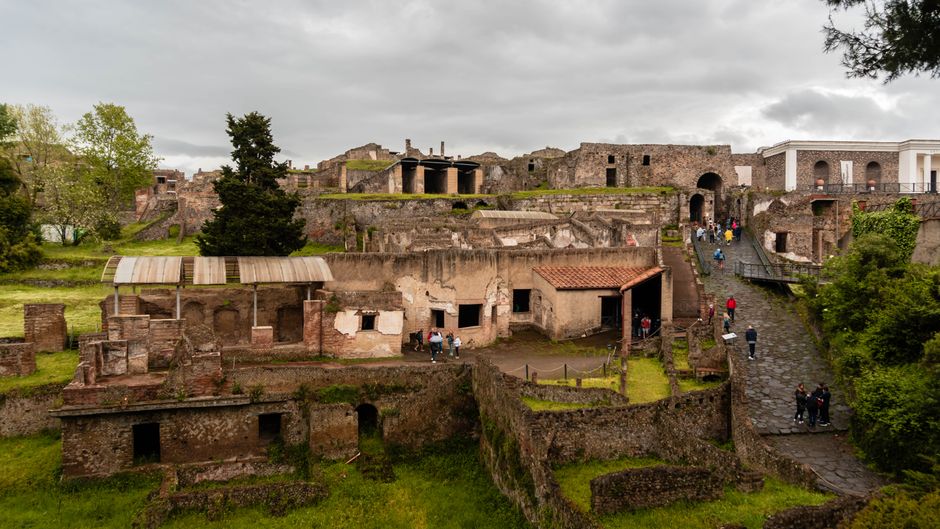
Naples rewards an early start
Naples packs neglected quarters, grand palaces and exceptional museums into the same dense urban landscape. Ancient foundations coexist with an energetic contemporary art scene, while a modern metro decorated by prominent artists and architects runs beneath streets known for heavy traffic. More than three decades of repeat visits reveal a city that has become cleaner, safer and easier for travelers without losing its distinctive complexity.
Three days will only provide an introduction, since even a two-week stay would leave plenty unseen. The best approach is to begin each morning early and accept a full schedule. Recent improvements have refreshed museums and monuments, while the range of accommodation, restaurants and drinking spots has expanded. Another addition is planned for 2027, when Rocco Forte is expected to open a hotel in the city.
Coffee palaces and opera
Begin at Gran Caffè Gambrinus, ordering espresso and a warm cornetto while standing at the bar with local customers. Terrace seating is associated with visitors, so the counter offers a more characteristic start. From there, cross Piazza Trieste e Trento to Palazzo Reale, whose dark gray and red exterior gives way to lavish Royal Apartments and the decorated Teatrino.
Teatro San Carlo stands on the opposite side. Travelers interested in opera can arrange a backstage visit, though attending a performance offers the fuller experience. These nearby stops make it possible to move from breakfast to royal interiors and one of the country’s most prestigious opera houses without spending much of the morning in transit.
Art below the streets
Toledo metro station provides the entry point to Stazione d’Arte, a project that turned major underground stations into public exhibition spaces. Toledo is especially striking because of its large mosaic, but the project extends across the network. A metro fare costing slightly more than $2 effectively becomes admission to a collection of stations shaped by major figures in contemporary art and architecture.
After returning above ground, head north along Via Toledo toward Via della Pignasecca. Arrive before the morning market finishes to see seafood displayed in troughs, seasonal produce stacked on stalls and an assortment of goods ranging from tripe to imitation designer bags. The mixture of food and everyday commerce offers a lively counterpoint to the formal interiors visited earlier.
A loud local lunch
Near Piazza Carità, Trattoria da Nenella serves an inexpensive lunch in a boisterous, straightforward setting. A line is likely, but the menu includes fried anchovies and meatballs served with tomato sauce. The low prices and animated atmosphere make the wait part of the experience rather than merely a delay.
Follow lunch with another concentrated coffee stop at Café Mexico in Piazza Dante. Its espresso is presented as the city’s finest, giving travelers a quick lift before an afternoon spent walking through the historic center.
Churches art and gelato
The streets around Spaccanapoli occupy the center of Roman Neapolis, where old monuments sit among snack vendors, miniature grocery stores, faded palazzi and shops filled with souvenirs or devotional objects. At the western edge, Piazza del Gesù contains its namesake church and an elaborate rococo guglia. Farther east, Santa Chiara combines a Gothic church interior with a convent cloister decorated in vivid majolica from the 18th century.
Nearby, Cappella Sansevero holds the celebrated marble Cristo Velato, completed in 1753. Because this is among Naples’ busiest attractions, it may require more patience than the surrounding stops. Returning to Spaccanapoli, pause at Gay-Odin at number 61 for chocolate gelato before continuing toward the Duomo.
Inside the Duomo, the gilded Cappella di San Gennaro provides the most glittering sight. Below it are Santa Restituita and a baptistery dating from the 4th century. Close to the cathedral, Pio Monte della Misericordia contains Seven Acts of Mercy. Piazza San Girolamini is also nearby, extending the walk through a district where major works, religious spaces, food and ordinary street life remain closely interwoven.
- A metro ticket costing just over $2 provides access to the Stazione d’Arte stations.
- Cristo Velato at Cappella Sansevero dates to 1753.
- Santa Restituita includes a 4th-century baptistery.
- Rocco Forte is due to open a Naples hotel in 2027.
- Gay-Odin’s chocolate gelato stop is at number 61 on Spaccanapoli.
Source: Condé Nast Traveler ↗
Summarized from the reporting above. Read it for the full story.
Winter weeks, altitude, and a fire at the end of the day. Tell us what the trip should feel like and we'll shape complete options you can compare.
Ask 4Vacations →


Share this story