Thanksgiving Rush Begins After Nov. 13 Ground Stop
Millions of Americans are heading to airports for the first holiday rush since the ground stop.
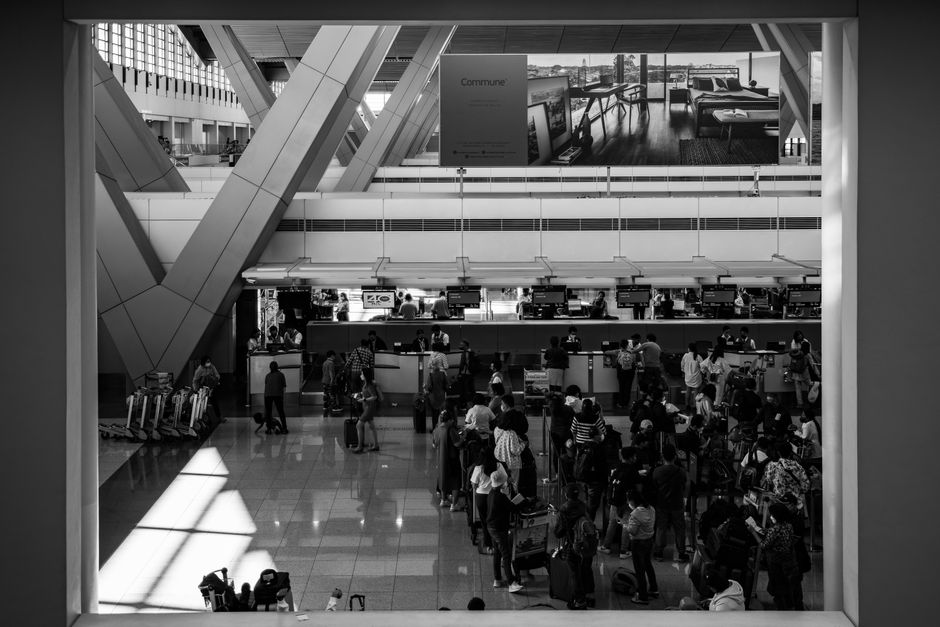
A packed holiday window
The Thanksgiving airport surge has begun, bringing millions of Americans to U.S. terminals for family visits. It is the first large holiday test for domestic aviation following the nationwide halt ordered by the Federal Aviation Administration on November 13. Travelers are entering a period likely to feature busy concourses, close connection times and expensive food inside airports.
Airlines for America forecasts that U.S. carriers will transport almost 29 million people during the Thanksgiving period. That 11-day window begins November 20 and continues through November 30. The expected average is 2.7 million passengers per day, leaving little prospect of empty rows or quiet terminals.
The greatest congestion is expected on Sunday Nov 29 and Monday Nov 30. Airlines have built particularly full schedules to accommodate demand, but those dense timetables provide limited room to recover when bad weather or another technology failure interrupts operations. A delay affecting one flight could therefore complicate later departures and connections during the busiest stretches.
The November 13 shutdown
The concern surrounding this rush stems from a major technical failure just over a week before the holiday traffic began. At about 3:30 p.m. Eastern time on November 13, the FAA stopped departures across the country. Aircraft began moving again at 8:15 p.m., after a disruption lasting several hours.
Airlines then faced the difficult task of restoring schedules and repositioning their operations. Approximately 12,462 flights were canceled before that day ended. Major carriers accounted for 9,082 of those cancellations, demonstrating how quickly a nationwide interruption can spread through airline networks.
Two days later, on November 15, the FAA issued an update saying that normal operations had returned, the system was stable and flying was safe. That assurance means the holiday period is beginning with airspace functioning normally, although neither the agency nor airlines have guaranteed that Thanksgiving week will be free of disruptions.
The investigation continues
The technical failure remains under examination by the FAA and defense contractor L3Harris. By November 20, officials had not publicly identified a definitive cause. The FAA also had not published a holiday recovery plan devoted specifically to the aftermath of the shutdown.
For passengers, that combination makes current flight information especially important. Travelers should monitor their departure status rather than assuming a packed schedule will operate exactly as booked. With so many people flying and little spare capacity, a new interruption could make rebooking more difficult and put additional pressure on already tight connections.
Fuel adds another strain
Airlines are also confronting unusually high expenses. Airlines for America says jet fuel prices have reached record levels. The average spot price during October was $4.64 for each gallon, exceeding the prior record established in September.
Since January, the cost of jet fuel has increased at more than six times the pace of airline fares. Fuel and labor together now represent about 55% of carriers’ overall operating costs. Airlines are considering cost reductions as they try to protect their margins, and passengers may experience the financial pressure as carriers respond.
Those economics are another reason this Thanksgiving rush is unusually demanding. Airlines must handle an average of millions of passengers each day while operating tightly packed schedules and absorbing elevated fuel and labor expenses. The challenge is not only moving the crowds, but doing so with limited operational flexibility.
A more flexible way to fly
Travelers do not need to abandon their Thanksgiving trips, but a lighter and more adaptable plan can reduce problems if schedules unravel. Traveling with only a carry-on avoids being tied to a checked suitcase when cancellations lead to an earlier departure or an alternative flight. Keeping essential belongings in a personal-item backpack can also help during an unexpected delay or rebooking.
When possible, choosing the day’s earliest nonstop departure reduces exposure to missed connections and later schedule complications. Passengers should also watch flight updates closely before leaving home and throughout their trip. During a holiday window with nearly 29 million expected flyers, preparation and flexibility may be the most useful defenses against long terminal waits.
- The Thanksgiving travel window runs November 20 through November 30.
- U.S. carriers expect nearly 29 million passengers over 11 days.
- Peak congestion is forecast for Sunday Nov 29 and Monday Nov 30.
- The November 13 shutdown produced roughly 12,462 cancellations.
- October’s average jet fuel spot price reached $4.64 per gallon.
Source: Travel Off Path ↗
Summarized from the reporting above. Read it for the full story.
Winter weeks, altitude, and a fire at the end of the day. Tell us what the trip should feel like and we'll shape complete options you can compare.
Ask 4Vacations →

Share this story