Semaglutide review puts strength in focus after menopause
Researchers say muscle performance deserves attention alongside body composition during weight loss.
A narrative review explored how semaglutide-related weight loss may affect muscular health after menopause. Researchers examined prior work involving postmenopausal women, body composition, physical function and sleep-disordered breathing. The issue is especially relevant because declining estrogen is associated with increasing abdominal fat and gradual muscle loss.
One study followed adults receiving semaglutide for obesity, with women forming most of the group. Researchers assessed them before treatment, after seven months and at 12 months. Lean mass dropped initially before becoming stable, while grip strength rose significantly at both follow-ups. The proportion with sarcopenic obesity—low muscle mass combined with high body fat—also declined. This shows why reduced lean tissue on a scan does not necessarily indicate weaker muscles.
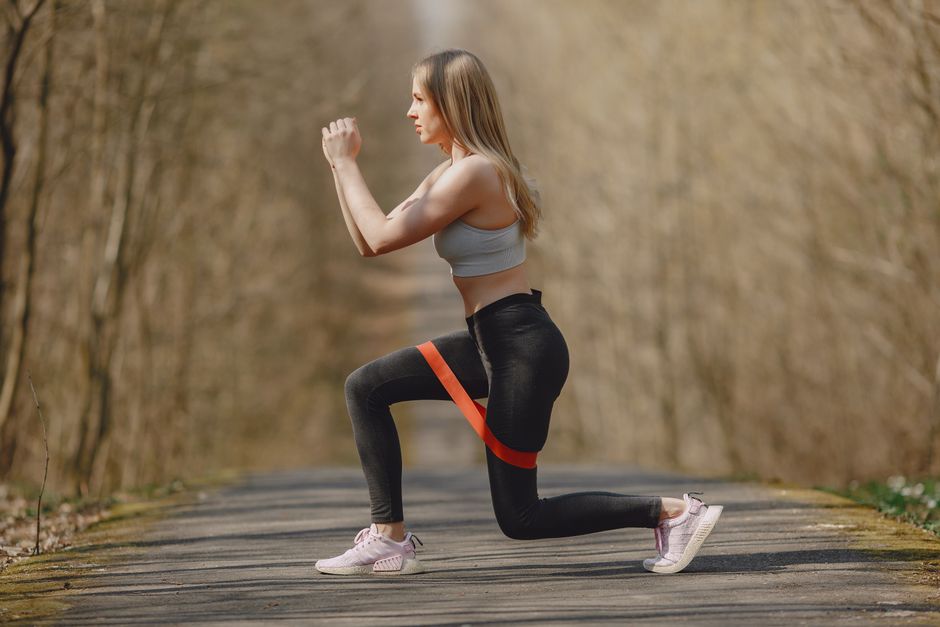
The evidence cannot represent every postmenopausal woman using semaglutide because the study included other adults and lacked a comparison group. The review identified grip strength, walking speed and rising from a chair as functional measures that add context beyond weight and body-composition readings. It also emphasized adequate protein and resistance training as supports for muscle and movement during weight loss.
- Measurements occurred before treatment, at seven months and at 12 months.
- Lean mass fell early, then stabilized.
- Grip strength improved significantly at both follow-ups.
- Sarcopenic obesity became less common.
- The study had no comparison group.
Summarized from the reporting above. Read it for the full story.

Our one-page guide to chair height, screen height and where your feet go. Free at the front desk or by request.
A five-minute check of your everyday posture at your desk, in the car, and on your feet. No obligation, no pressure.
Reserve a spot →

Share this story