How to Do a Back Squat Properly
Good form should come before adding heavier plates to the bar.
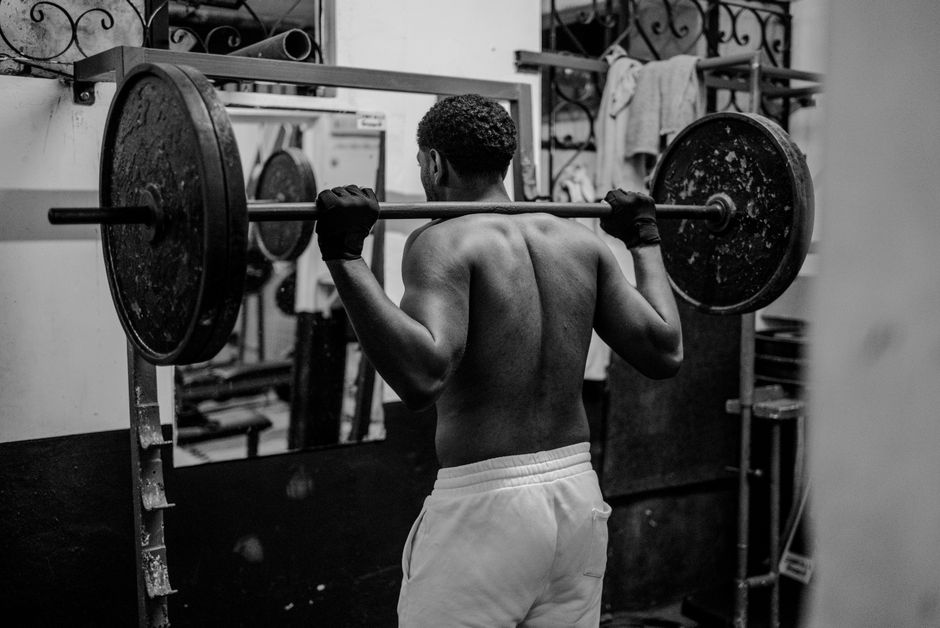
The barbell back squat works several large muscle groups at once, helping build strength and muscle. It places emphasis on the quadriceps and glutes, while also involving the lower-back muscles as the torso leans forward. The movement can support athletic power because stronger knee and hip extension contribute to actions such as running, jumping, and everyday movement.
Proper setup comes first. A power rack with safety catches can help you get under the bar securely. The bar supports should sit slightly below shoulder height, while the safety bars should be positioned about one or two notches above their lowest setting. Before increasing the load, the key priority is keeping control and maintaining a stable back position.
Depth depends on mobility at the knees, hips, and ankles. A useful target is reaching thighs parallel to the floor, with some people able to descend farther. If the lower back begins to round, the movement has gone beyond the mobility available for that person, increasing injury risk. The guidance also places this demanding lift near the beginning of a workout, limits it to once or twice weekly, and suggests 3 to 4 sets of 3 to 10 repetitions based on the weight used.
- Set the bar just below shoulder height.
- Place safety bars one or two notches above the bottom.
- Aim for thighs parallel to the floor.
- Program the lift once or twice weekly.
- Use 3 to 4 sets of 3 to 10 repetitions.
Summarized from the reporting above. Read it for the full story.

Our one-page guide to chair height, screen height and where your feet go. Free at the front desk or by request.
A five-minute check of your everyday posture at your desk, in the car, and on your feet. No obligation, no pressure.
Reserve a spot →

Share this story