23,000-Person Study Examines Exercise and Depression Risk
The findings suggest genes may not fully explain a person’s risk of depression.
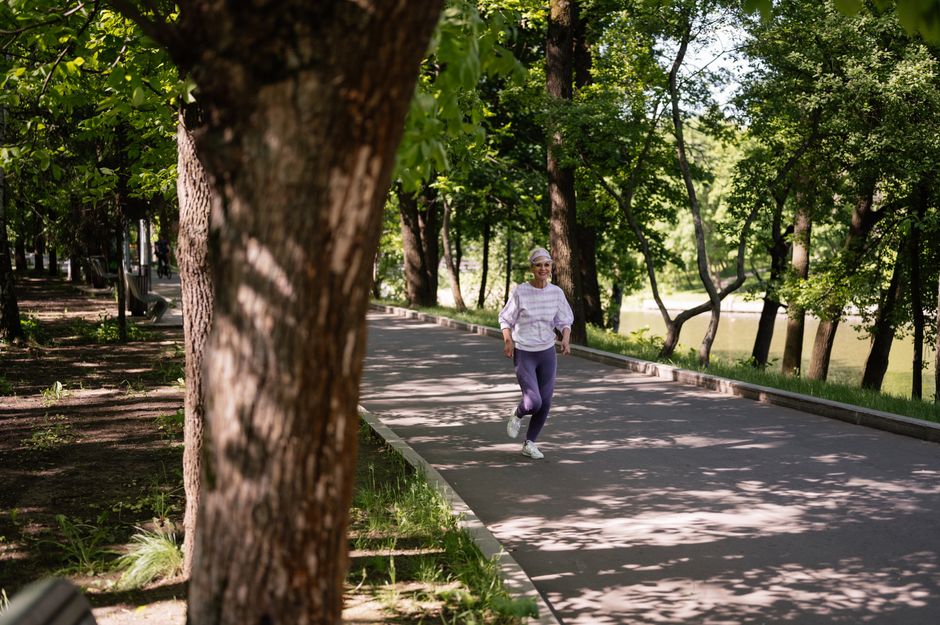
Researchers studied more than 23,000 adults to see how movement and inherited susceptibility related to depression. Participants were about 56 years old on average, and roughly two-thirds were women. Genetic tests estimated predisposition, while wearables recorded daily step counts and time spent in moderate-to-vigorous activity. Researchers also considered depression diagnoses and the intensity of participants’ symptoms.
Greater inherited risk was associated with a higher likelihood of developing depression. People who were more active were less likely to have a diagnosis, but physical activity did not appear to alter the connection between genetic risk and whether depression developed. Symptom severity showed another pattern: within the higher-risk group, greater activity was associated with milder symptoms. This relationship appeared with multiple ways of measuring both movement and symptoms.
The study observed participants’ existing behavior rather than assigning them an exercise program, so it could not establish that activity reduced symptoms. Milder symptoms may have made movement easier, and other influences could have affected both. The findings nevertheless connect ordinary movement—not just athletic training—with depression symptoms among adults carrying greater genetic susceptibility. They also fit a broader picture in which biology, experiences, sleep, stress and social support all contribute to mental health.
- More than 23,000 adults were included.
- Participants averaged around 56 years old.
- Roughly two-thirds of participants were women.
- Wearables measured steps and moderate-to-vigorous activity.
- Greater activity was associated with milder symptoms among higher-risk participants.
Summarized from the reporting above. Read it for the full story.

Our one-page guide to chair height, screen height and where your feet go. Free at the front desk or by request.
A first consultation is free for new patients, including a take-home handout of that day's stretches.
Book a first visit →

Share this story