How to Choose Weights for Strength After 50
Experts say effort, form, and rep range matter more than whether a weight is labeled light or heavy.
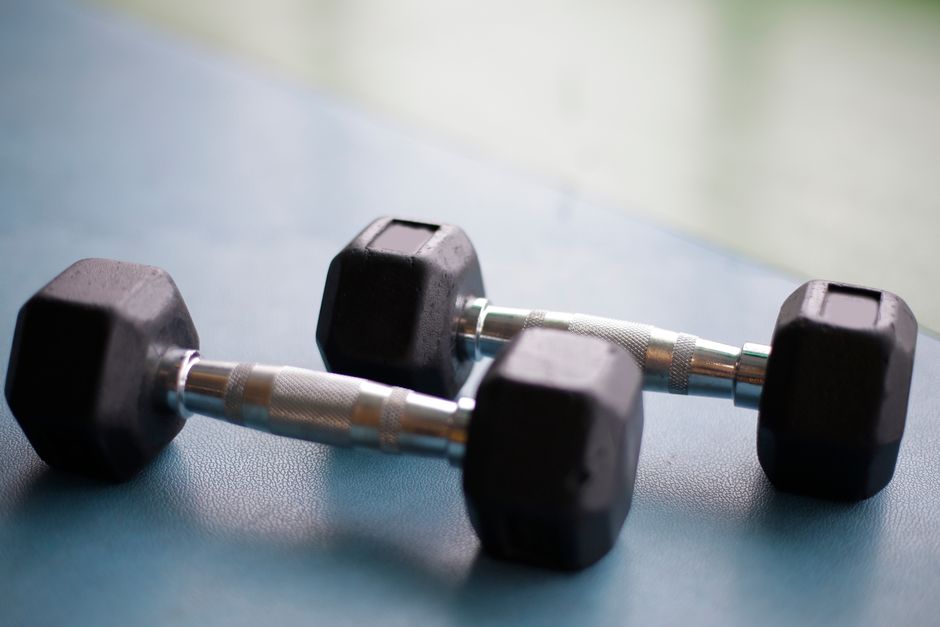
Strength work becomes increasingly important with age because muscle and strength loss can begin around 35 and speed up later. During the 50s, annual losses may reach 1% to 2%, affecting balance, movement, bones, metabolism, and everyday tasks. Less activity can add to those effects, while walking or cardio alone does not provide the same muscle-building stimulus as resistance training.
The right load depends on the person and the exercise. A useful sign is that the final repetitions move more slowly and demand noticeably more effort, while still being completed with good form. Most strength-focused sets fall in the range of six to 12 repetitions, with two or three sets and roughly 20 to 70 seconds of muscle effort. If someone can easily go beyond 12 repetitions, the load may be too low for building strength and muscle.
As strength improves, the weight needs to rise gradually to keep challenging the muscles. Longer sets with lighter resistance are more geared toward endurance, which still matters for walking, running, cycling, swimming, posture, and stability. Beginners or people returning after injury may use lighter weights and more repetitions while learning technique. Anyone with osteoporosis, low bone density, fractures, or a history of falls should get personalized medical guidance first.
- Muscle loss may reach 1% to 2% yearly during the 50s.
- Strength-focused sets commonly use six to 12 repetitions.
- Two or three sets are a general recommendation.
- Longer, lighter sets emphasize endurance over muscle growth.
Summarized from the reporting above. Read it for the full story.

Our one-page guide to chair height, screen height and where your feet go. Free at the front desk or by request.
A five-minute check of your everyday posture at your desk, in the car, and on your feet. No obligation, no pressure.
Reserve a spot →

Share this story