Expert Shares Exercise Guidance for GLP-1 Users
NBC 7 San Diego reports on resistance training for people taking these medications.

GLP-1 use has grown substantially: about 11% of Americans now take one of these medications, compared with 3% in 2024, a recent Gallup poll found. Because weight reduction can involve losing muscle as well as body weight—and may occur more rapidly with GLP-1s—exercise physiologist and sports nutritionist Heidi Skolnik emphasizes resistance training as a way to help preserve strength.
Skolnik favors compound movements, which engage several muscles and joints together. Squats and lunges are examples. She recommends concentrating first on the glutes, thighs, chest and back because these large areas account for most muscle mass. Arms and shoulders can also be trained. Beginners may need a gradual path toward compound work since these movements can place greater demands on joints and ligaments. People with health challenges may benefit from guidance suited to their circumstances.
Maintaining muscle supports mobility and bone density, helps remove glucose from the bloodstream, and is connected with cognitive health and lower age-related disease risk. Muscle also naturally declines with age, and faster weight loss may speed that process. Skolnik recommends beginning strength work before starting a GLP-1 or alongside it when possible. However, someone prescribed medication for diabetes or obesity should not postpone treatment simply because resistance exercise cannot begin immediately. Her approach is to start at a manageable level and increase training progressively.
- About 11% of Americans take a GLP-1 medication, versus 3% in 2024.
- Prioritize the glutes, thighs, chest and back.
- Squats and lunges work multiple muscles and joints.
- Strength training can begin before or alongside GLP-1 use.
Summarized from the reporting above. Read it for the full story.
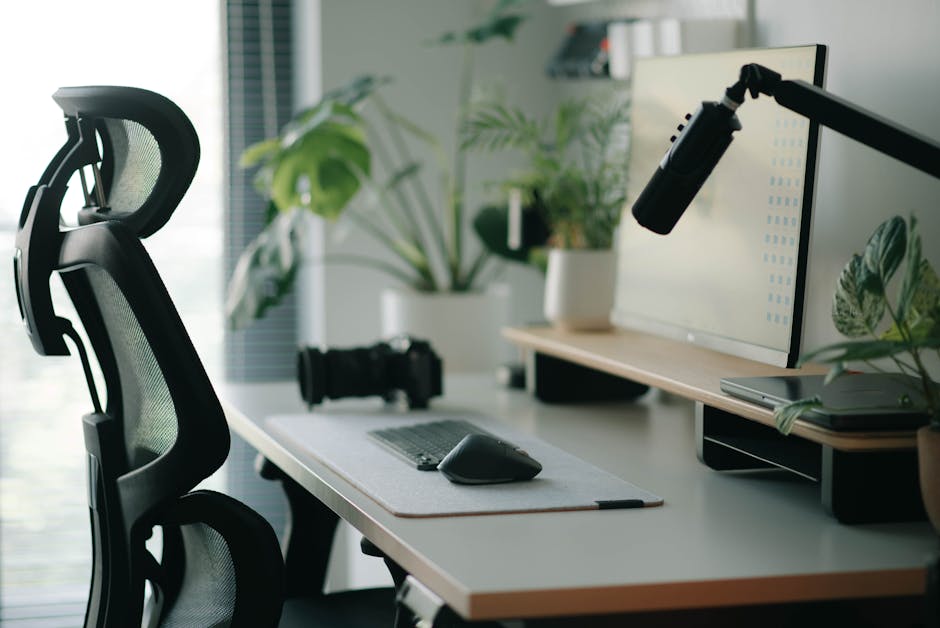
Our one-page guide to chair height, screen height and where your feet go. Free at the front desk or by request.
A first consultation is free for new patients, including a take-home handout of that day's stretches.
Book a first visit →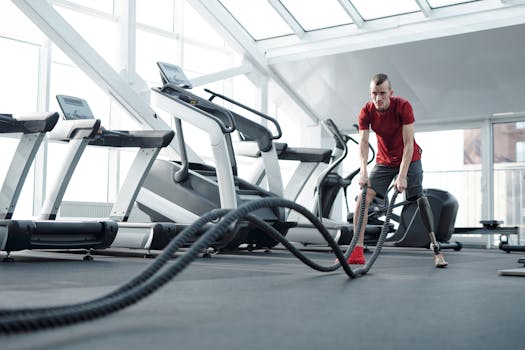
Share this story