Study points to four exercises for back pain
The research suggests exercise may help people with back pain.
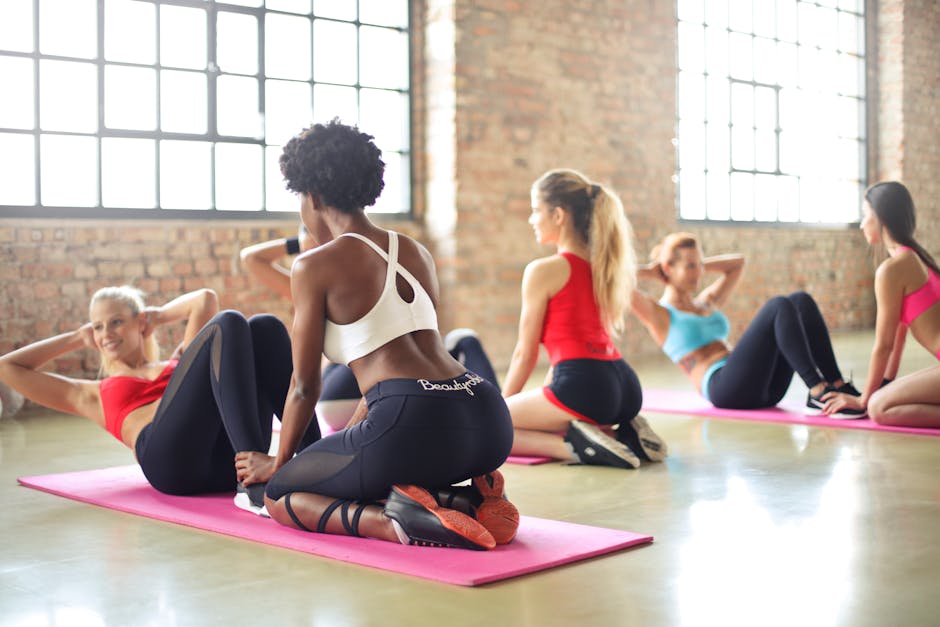
Lower back pain affects roughly 80% of people at some point, according to the NHS, although less than 1% of cases need urgent care. Pain can reduce quality of life and discourage physical activity. For mild cases, however, avoiding movement beyond a day or two may make matters worse, while remaining active can support recovery and help people return to valued activities.
A 2019 British Journal of Sports Medicine analysis reviewed 89 studies about exercise and back pain. It focused on non-specific chronic low back pain, or NSCLBP, where doctors cannot identify a single cause. Daniel Belavy, the study’s lead author and an associate professor, said this category covers most chronic lower-back pain. The researchers concluded that activity appeared more helpful than resting for this condition.
Four approaches stood out: Pilates; stabilisation or motor-control training; resistance exercise; and aerobic activities such as walking and running. Pilates and stabilisation or motor-control work had the strongest evidence for easing pain. Stabilisation may include planks, bridges and crunches, while motor-control exercises seek better strength and coordination in muscles around the spine. Examples include balance work, hip bridges, seated knee extensions and squats. Resistance training can involve progressively heavier loads, with movements such as weighted squats, push-ups, deadlifts and bench presses. The analysis ranked stretching and McKenzie exercises among the least effective options. The NHS says to stop if exercise increases back pain and to speak with a GP when concerned or uncertain about starting an activity.
- The 2019 analysis covered 89 exercise and back-pain studies.
- Four leading approaches were Pilates, stabilisation or motor-control work, resistance training and aerobic activity.
- Fewer than 1% of lower-back pain cases need urgent medical attention.
- Stop exercising if it worsens back pain, according to the NHS.
Summarized from the reporting above. Read it for the full story.
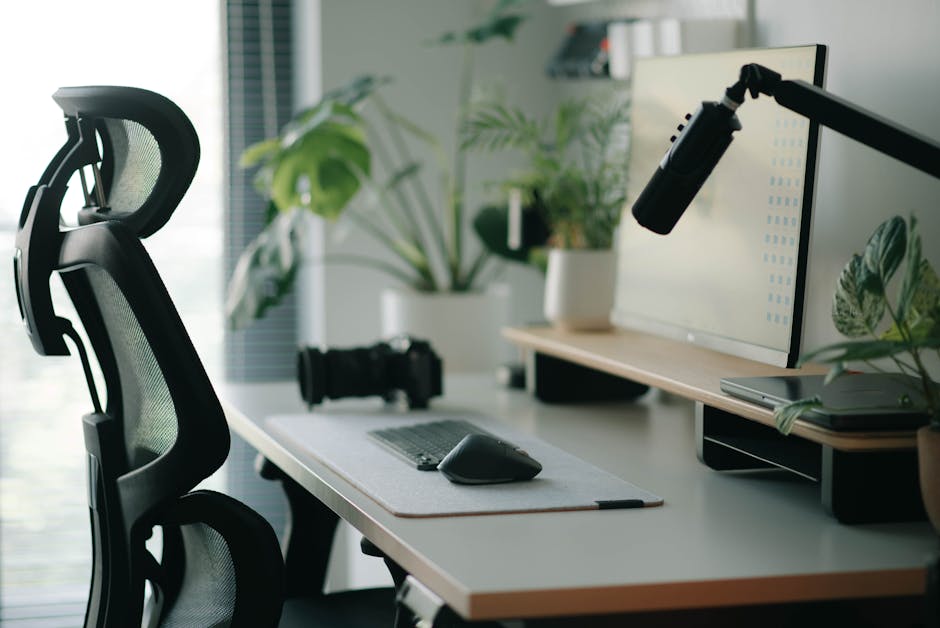
Our one-page guide to chair height, screen height and where your feet go. Free at the front desk or by request.
A five-minute check of your everyday posture at your desk, in the car, and on your feet. No obligation, no pressure.
Reserve a spot →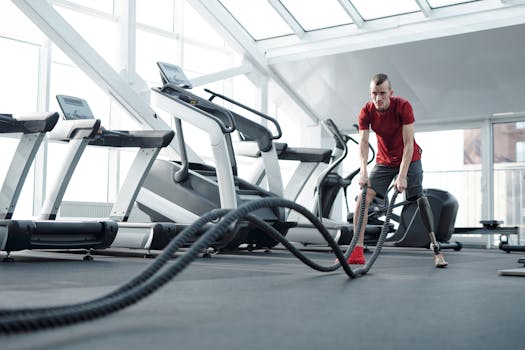

Share this story