Cognitive Reshuffling May Help Some People Resume Sleep
The simple technique has become popular as a way to fall back asleep more quickly.

Cognitive reshuffling is a mental-distraction exercise drawn from cognitive behavioral therapy. It is meant to redirect attention away from stressful or emotional thought cycles that can make sleep difficult. Thea Gallagher, PsyD, says worries, planning and replaying the day can heighten alertness. The technique instead gives the mind neutral material that requires some attention without being emotionally engaging.
The exercise begins with a chosen word. A person takes its letters one at a time, thinks of unrelated calm or neutral words beginning with each letter, and pictures each item. With “bedtime,” for example, the first letter could prompt ball, banana and boat; the next could bring elephant, envelope and earring. The words do not need to connect or form a story. Christopher Winter, MD, compares the method with counting sheep or subtracting sevens while counting backward from 1,000: each shifts focus away from the pressure to sleep.
Results can depend on how someone responds to the task. The writer returned to sleep fairly easily after choosing “read,” but became frustrated while searching for more words and found that a competitive streak may have prolonged the exercise. Winter says professional help with understanding sleep and managing stress is more likely to produce durable improvement and confidence. Consistent difficulty falling asleep also warrants involving a healthcare professional, while Gallagher considers reshuffling a reasonable option when a person experiences it as calming.
- Choose one word and work through its letters.
- Picture unrelated, neutral words beginning with each letter.
- The method may interrupt worrying, planning and mental replay.
- Persistent trouble falling asleep should involve a healthcare professional.
Summarized from the reporting above. Read it for the full story.
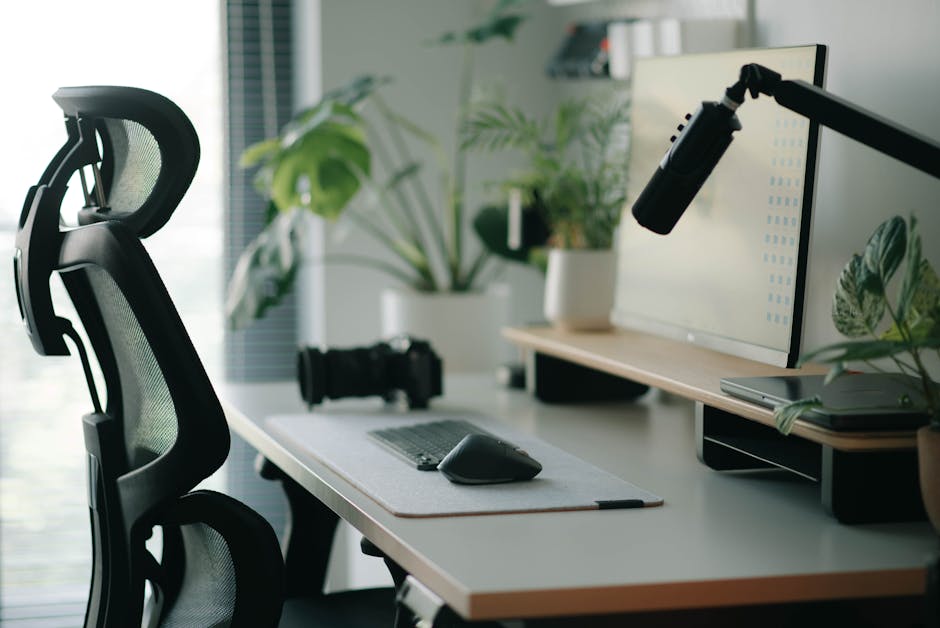
Our one-page guide to chair height, screen height and where your feet go. Free at the front desk or by request.
A five-minute check of your everyday posture at your desk, in the car, and on your feet. No obligation, no pressure.
Reserve a spot →

Share this story