A Month of Foot Training Changed One Writer’s Movement
Toe spacers, balance drills and roomier shoes became part of a daily experiment.
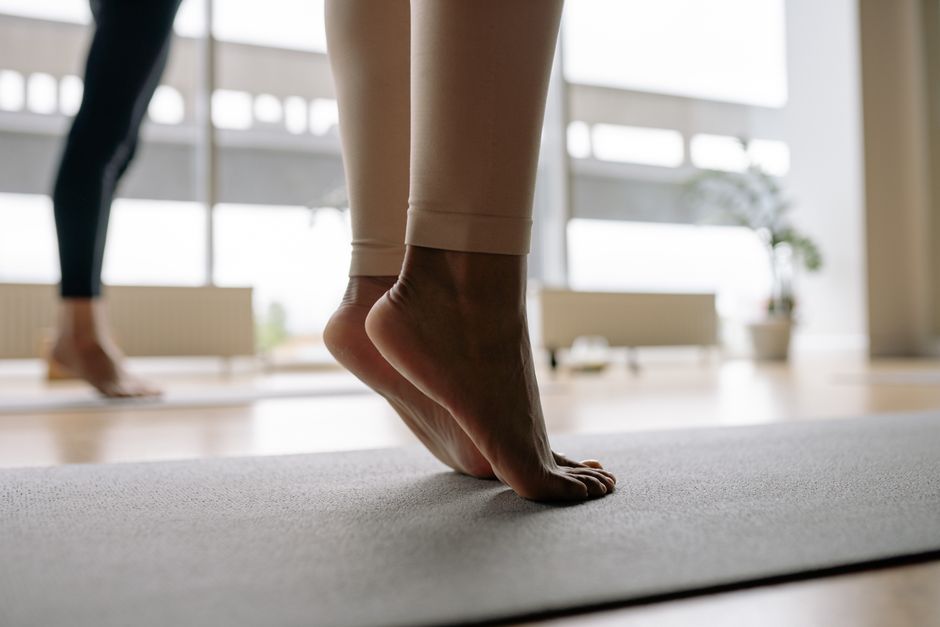
A month of paying attention to foot strength changed how one writer noticed movement from the ground up. The routine included toe spacers, slow calf raises, short-foot work, toe-control practice and barefoot balance exercises. Much of it fit into ordinary moments, including time at a standing desk or relaxing on the couch.
The experiment also meant spending more time barefoot at home and wearing socks for some gym exercises, especially squats and single-leg work. The writer examined everyday shoes for toe-room, cushioning and structure, then tested the Astral TR1 Sensi HT for walks, errands and easier training. Its broad front gave the toes more space, while the shoe was designed to preserve contact with the ground and offered no difference in heel height.
The article connects foot function with the way the rest of the body handles movement. Feet provide sensory information that helps with balance and load distribution, while weakness or reduced feedback may affect the ankle, knee, hip and spine. Experts cited in the piece link declining foot strength with slower walking, greater fall risk and reduced independence later in life. The takeaway is that foot training can be woven into daily routines instead of treated as a separate, demanding workout.
- The foot routine lasted 30 days.
- Toe spacers felt strange at first, then became easier to use.
- Narrow footwear can crowd the toes over time.
- The writer used spacers after pickleball and long walks.
Summarized from the reporting above. Read it for the full story.

Our one-page guide to chair height, screen height and where your feet go. Free at the front desk or by request.
A five-minute check of your everyday posture at your desk, in the car, and on your feet. No obligation, no pressure.
Reserve a spot →


Share this story