Five-Point Sleep Checklist Aims to Help You Nod Off
A physiologist outlines five biological cues to check before settling into bed.

Physiologist and wellbeing expert Oli Patrick says sleep is harder to protect amid light, noise, temperature changes and other stimulation. Speaking at an Eight Sleep event for Pod 6, he said people can support better rest without using technology. His checklist centers on giving the body enough time and the right biological signals for recovery.
Patrick identifies seven hours as the target because sleep supports memory consolidation and tissue repair. He also emphasizes a steady daily schedule: he aims for bed by 22:30, sleep by 23:15 and waking at 06:45. Morning brightness, ideally outdoors with a light walk, helps set the body’s daily rhythm; bright artificial light can provide a similar cue. In the evening, a bedroom kept as dark as tolerable and less screen exposure can signal that sleep is approaching.
Temperature is another checkpoint. Cooling down before bed may involve avoiding late meals or very late exercise and work, while a quick shower may help the body release heat early in the night. If sleep remains difficult, Patrick points to avoiding caffeine after lunch, skipping alcohol and trying journaling, breathwork or yoga to settle the mind. Together, these cues are intended to give adults a stronger chance of restorative sleep and the energy needed to stay active and feel well.
- Patrick’s target: seven hours of sleep
- His schedule: bed by 22:30, asleep by 23:15, wake at 06:45
- Get bright light in the morning
- Keep the bedroom as dark as tolerable
- Avoid caffeine after lunch and alcohol
Summarized from the reporting above. Read it for the full story.
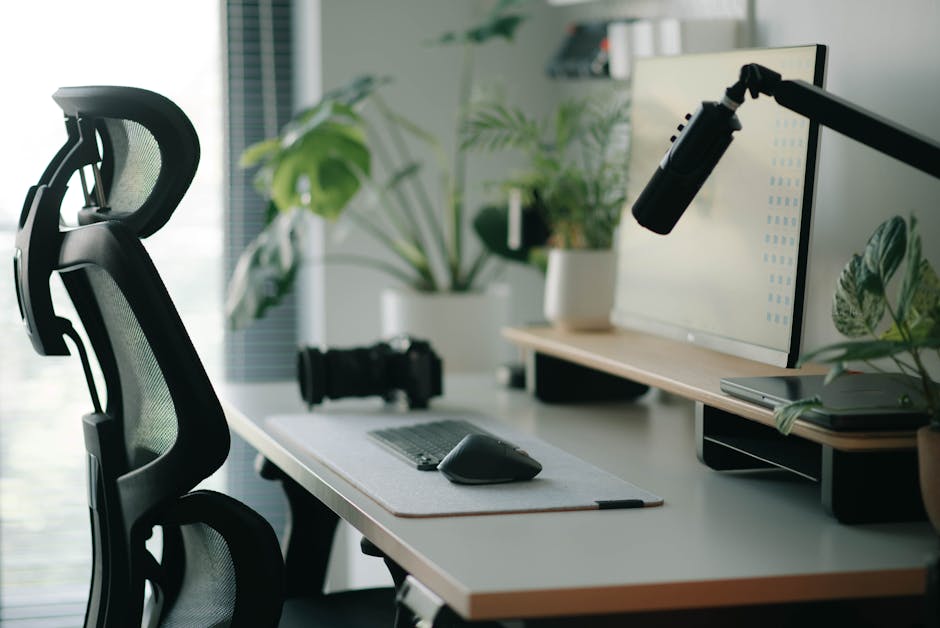
Our one-page guide to chair height, screen height and where your feet go. Free at the front desk or by request.
A five-minute check of your everyday posture at your desk, in the car, and on your feet. No obligation, no pressure.
Reserve a spot →

Share this story