22 Bodyweight Moves for Strength Beyond the Gym
The trainer-backed routine can also develop balance, mobility, endurance and cardiovascular fitness.
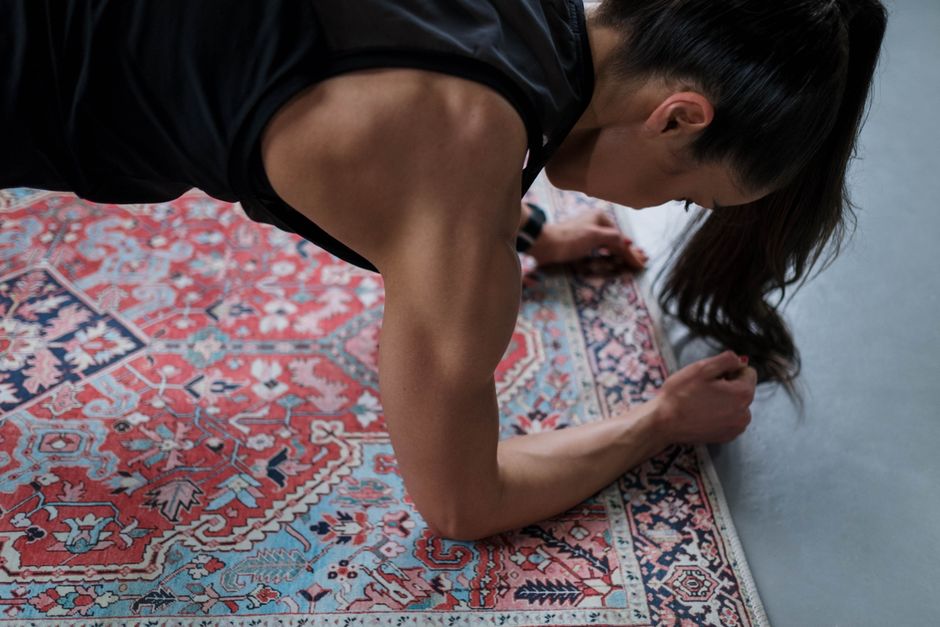
Bodyweight training can be demanding for experienced exercisers, while also giving beginners a way to learn movement fundamentals before adding resistance. Kim Perry says these exercises commonly engage multiple muscle groups at once, helping develop core strength, balance, mobility, flexibility, cardiovascular fitness and endurance. Claudette Sariya notes that practicing with bodyweight first can help newcomers understand how each movement works.
Build a session by choosing five or six exercises for the areas you want to train. For a full-body circuit, select two upper-body moves, two lower-body moves and two core exercises. Perform each exercise for 40 seconds, rest for 20 seconds, then take a 60-second break after the round. The routine can be completed for two or three more rounds.
The options range from sustained holds, such as planks and hollow body holds, to lower-body strength work including squats, glute bridges and jump squats. High knees and knee drives add quicker conditioning. Exercises can be adjusted as ability improves: beginners may plank with knee support or elevated hands, while a resistance band can increase the challenge for selected movements. That mix makes it possible to focus on particular muscle groups or create a broader workout.
- Choose five to six movements for each session.
- Work 40 seconds, then rest 20 seconds.
- Pause 60 seconds after each circuit.
- Repeat the circuit two or three additional times.
- Use knee support or raised hands to modify planks.
Summarized from the reporting above. Read it for the full story.

Our one-page guide to chair height, screen height and where your feet go. Free at the front desk or by request.
A first consultation is free for new patients, including a take-home handout of that day's stretches.
Book a first visit →


Share this story