New Support Options Explored for Cats With Painful Mouth Disease
Tooth removal remains the most dependable treatment, while stem cells and other approaches are being studied as added support.
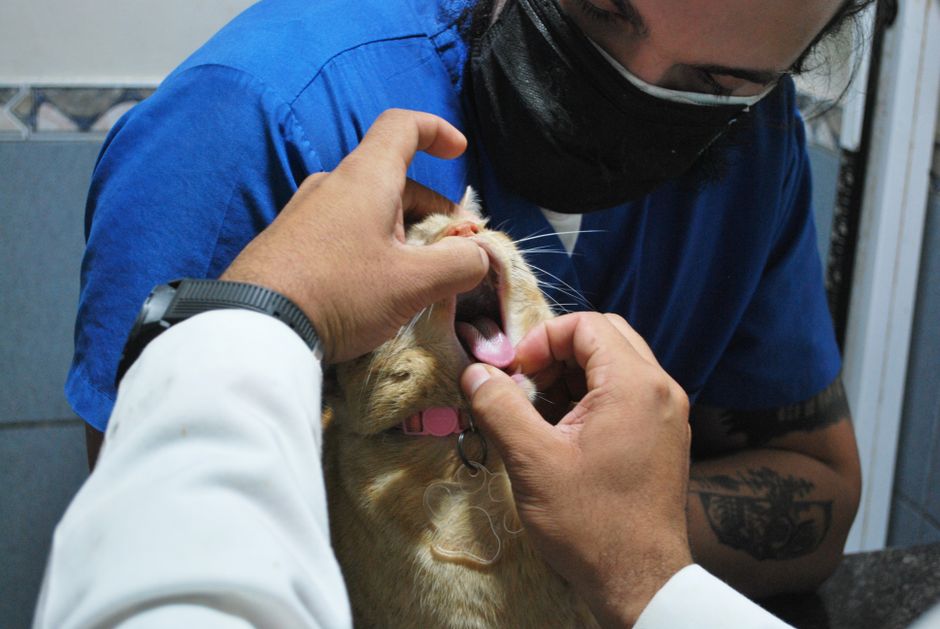
A painful whole-mouth condition
Feline chronic gingivostomatitis, commonly shortened to FCGS, is a persistent disorder marked by severe inflammation throughout the mouth. The damage is not confined to the gumline. It can involve the broader oral cavity, leaving affected cats in considerable pain and making ordinary activities such as eating difficult.
Owners may first notice excessive drooling, unpleasant breath, trouble chewing, or repeated pawing near the mouth. A cat may consume less food and lose weight because eating hurts. A disheveled coat can also be a warning sign, since oral discomfort may interfere with normal grooming. Any of these changes warrants a veterinary examination as soon as possible.
FCGS can be difficult and frustrating for cats and their caregivers because routine medical treatment does not always control it fully. Medicines may ease symptoms in some cases, but many cats need more extensive treatment before they experience substantial relief.
Extractions remain the foundation
Partial or complete removal of the teeth continues to offer the most dependable treatment for FCGS. Research has found that many cats improve significantly following extraction procedures. Although removing teeth may sound drastic, the procedure remains more consistently effective than medical management alone for this stubborn inflammatory disease.
A veterinarian may also prescribe anti-inflammatory drugs or treatments intended to modify immune activity. These measures can form part of an individual care plan, particularly when symptom relief is needed. However, medication does not reliably produce complete improvement for every cat, and it does not displace extraction as the leading treatment option.
The appropriate combination of procedures and medicines depends on the individual cat. Because the disease involves the mouth and can cause intense pain, guidance from a veterinarian with expertise in veterinary dentistry can be especially useful when building a plan focused on comfort and quality of life.
Stem cells under study
Donor-derived stem cells are among the newer approaches being investigated for cats with difficult FCGS. Studies published in the Journal of Feline Medicine and Surgery indicate that this therapy may be useful. The proposed benefit centers on immune regulation, since excessive immune activity plays an important role in the condition.
This option is an addition to established veterinary care rather than a replacement for extractions or prescribed medicines. Access may also be limited. Stem-cell treatment is not offered in every veterinary clinic, though veterinary specialists and university teaching hospitals may provide it.
Research into innovative therapies gives veterinarians more possibilities to explore for cats whose disease remains troublesome. Even so, decisions about stem cells need to be made with veterinary supervision and considered as one element of a broader treatment strategy.
Other supportive approaches
Some veterinary dental specialists use low-level laser therapy within wider treatment plans for inflammatory mouth disorders. Its purpose is to lessen inflammation and encourage healing. Like stem-cell care, laser treatment serves as support alongside conventional management rather than as a stand-alone answer to FCGS.
Integrative veterinarians may discuss adjustments to food, omega-3 products, or antioxidants as ways of supporting the body and addressing inflammation. Probiotics are another area of interest because oral and intestinal microbial communities may influence how the immune system is regulated. Interferon has also been examined as an immune-modifying option for the heightened response associated with FCGS.
These possibilities do not all carry the same evidence, availability, or suitability for every cat. Their shared role is supplementary: they are considered in combination with veterinary treatment, not in place of it. A cat may still require extraction, medication, or both even when one of these measures is included.
Safety comes first
Caregivers should speak with a veterinarian before changing a cat’s diet or beginning any supplement, probiotic, natural remedy, or other new intervention. Products made for people are not automatically safe for feline use. Some human supplements and natural substances may harm cats or be toxic to them.
Prompt attention matters when mouth pain affects eating, weight, grooming, or everyday comfort. A veterinary examination can identify the cat’s needs and guide choices among extraction, medication, and appropriate supportive care. For a condition that often resists simple treatment, a coordinated plan offers the clearest path toward easing pain and improving the cat’s life.
- Partial or full tooth extraction remains the most reliable FCGS treatment.
- Warning signs include drooling, bad breath, chewing difficulty, weight loss, mouth pawing, and a disheveled coat.
- Stem-cell care may be available through specialists or university teaching hospitals.
- Supportive approaches should accompany veterinary care, not replace it.
- Human supplements and natural remedies may harm or poison cats.
Source: Animal Wellness Magazine ↗
Summarized from the reporting above. Read it for the full story.
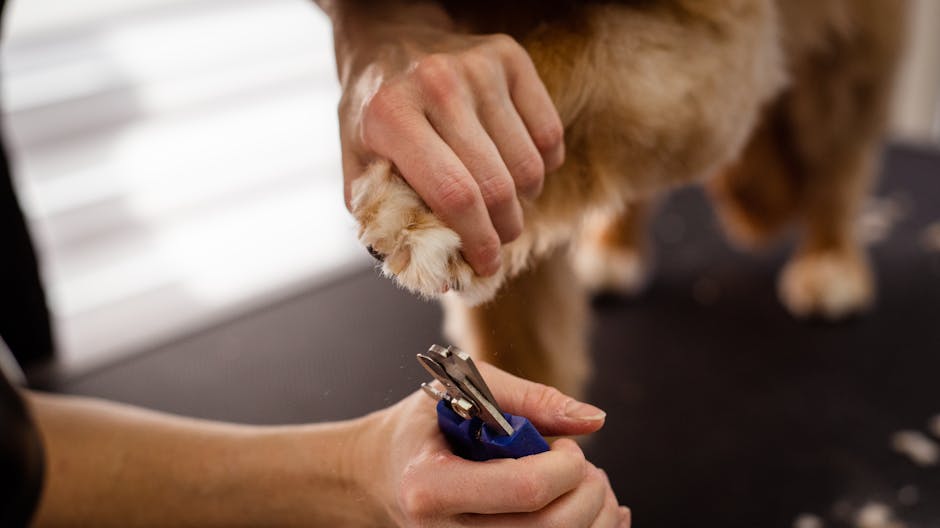
Walk your dog or cat in on the first Saturday morning of any month, no appointment. We'll trim nails while you wait, no charge.
New dogs and cats get a full wellness exam for $29, any weekday.
Book the exam →


Share this story