How to Ignore and Redirect Unwanted Dog Behavior
AKC Expert Advice explains how ignoring and redirecting can help address different unwanted behaviors.
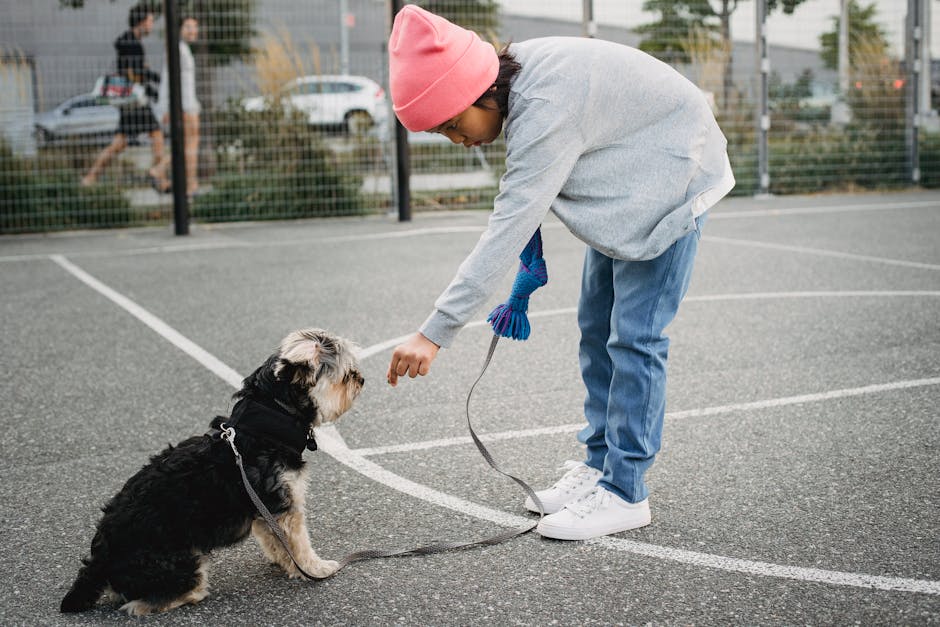
Why unwanted behavior happens
Jumping when someone arrives, asking for food during meals, and barking while an owner is on the phone can all be frustrating. Yet these actions are not attempts at spite. After concerns such as fear, phobias, and separation anxiety have been ruled out, the explanation may simply be that the dog is acting naturally.
Barking, chewing, investigating the surroundings, and jumping are ordinary canine activities. They may become household problems when a dog has too little stimulation, feels bored, or has never been taught the home’s expectations. Owners therefore need to decide which behaviors fit their household and clearly teach those standards.
The desired response will vary by situation. During dinner, an owner might prefer the dog to settle on its bed. When silence is needed for a video call, chewing a bully stick could be acceptable. A dog cannot follow such rules until someone has shown them what to do.
What ignoring really means
Dogs are likely to repeat actions that produce a useful result. Consider a dog that barks to make a person pay attention. Responding with a command to be quiet may feel like a correction, but the dog still received a response. Because barking successfully brought attention, it may become more likely next time.
Effective ignoring means withholding every form of reinforcement the dog was trying to obtain. That requires more than remaining silent for a moment. Eye contact, words, touch, or another reaction can potentially provide the payoff. Removing that reward is an important training tool, but it is not a complete plan by itself.
Owners should pair the absence of reinforcement with advance training and thoughtful management. They must also guide the dog toward an acceptable alternative and reward that choice. This combination gives the dog a clearer route to what it wants while helping good manners become more rewarding than the unwanted action.
When ignoring cannot work
Some activities supply their own reward. A dog may enjoy gnawing furniture regardless of whether a person reacts. Since human attention is not driving the behavior, withholding attention does not remove its benefit. The surroundings must be arranged so the dog cannot keep practicing the unwanted choice.
For furniture chewing, an owner could keep the dog away from the couch by shutting the room’s door or placing a barrier that prevents entry whenever supervision is unavailable. The dog can then receive a suitable outlet, such as a chew toy or bully stick. Reinforcing use of that item teaches where chewing is permitted instead of merely leaving the dog without an option.
This illustrates why management and redirection belong together. Limiting access prevents another rewarding repetition, while an appropriate object satisfies the urge in an acceptable way. Praise or another reward for choosing that object helps make the household rule understandable.
Avoiding frustration and confusion
Ignoring may also upset a dog that has no alternative behavior available. A dog that leaps up during a greeting is seeking social contact. Turning away or leaving removes attention, but it does not explain how the dog can greet successfully. Without further instruction, the animal may become confused and stressed.
The better approach is to teach a greeting behavior that does earn interaction. As the acceptable response is reinforced consistently, the dog can discover a more reliable and rewarding way to say hello. The goal is not simply to suppress enthusiasm, but to channel it into conduct the owner welcomes.
Expect a temporary increase
An established behavior can intensify after its former reward disappears. When an action that succeeded before suddenly produces nothing, a dog may try it with greater force. Attention-seeking barking, for example, might become louder at first.
That early escalation does not make ignoring sufficient on its own. Owners still need to prevent self-rewarding behavior, teach clear alternatives, and reinforce the choices they want repeated. Used together, those steps reduce unwanted conduct while helping the dog understand how to succeed within the household’s rules.
- Rule out fears, phobias, and separation anxiety before treating behavior as a training issue.
- Withhold every form of attention when attention is reinforcing the unwanted action.
- Block access to furniture when chewing cannot be supervised.
- Offer a chew toy or bully stick, then reward the appropriate choice.
- Teach an acceptable greeting instead of only turning away from jumping.
Source: AKC Expert Advice ↗
Summarized from the reporting above. Read it for the full story.
Walk your dog or cat in on the first Saturday morning of any month, no appointment. We'll trim nails while you wait, no charge.
Walk in with your dog or cat, no appointment and no charge.
See the schedule →


Share this story