U.S. Warns Americans About Winter Travel Risks in Europe
The alert points to crowded holiday venues, aviation disruptions, strikes and demonstrations across the continent.
A broad winter warning
Americans planning European holidays this winter are being asked to approach their trips with greater awareness of their surroundings. On November 13, 2026, the U.S. State Department released a security alert covering Europe and directed it toward U.S. citizens traveling during the holiday period. The guidance is relevant to people heading abroad during the following two months.
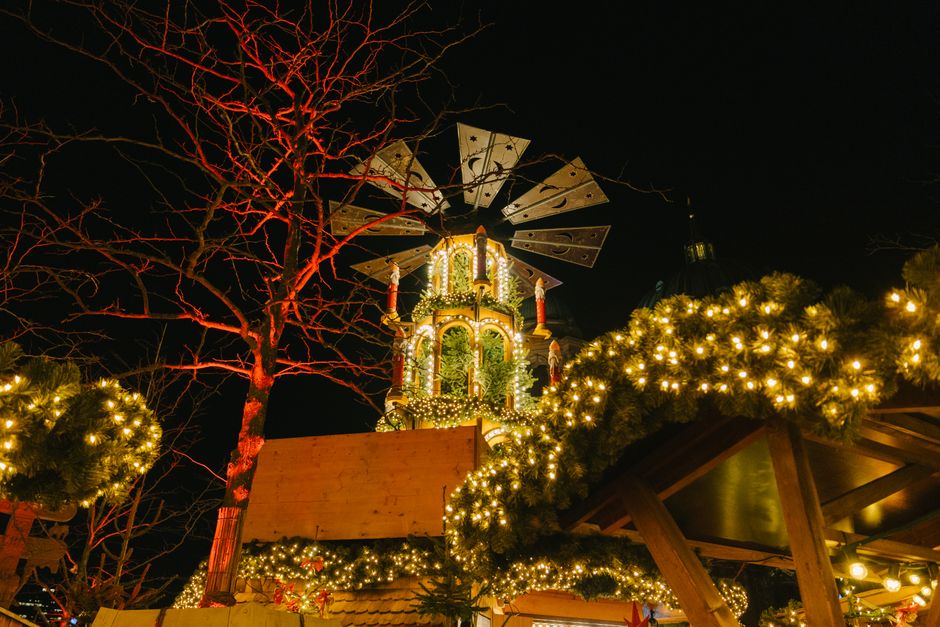
The notice does not tell travelers to abandon their plans. Instead, it urges them to recognize that seasonal attractions and other busy public spaces may carry heightened risks. Christmas markets, holiday festivals, large gatherings and public events can draw enormous crowds, making them appealing locations for terrorist organizations or individual extremists seeking an opportunity to attack. Transportation hubs and houses of worship are also identified as sensitive places.
Visitors are advised to maintain strong situational awareness throughout their travels. That means paying attention not only when entering a major attraction, but also while moving through crowded stations, attending seasonal celebrations or spending time near religious sites. A festive setting should not lead travelers to ignore changes in the environment around them.
More security at attractions
Travelers may encounter a conspicuous security presence at well-known landmarks and seasonal venues. Police officers and military personnel may be stationed where crowds gather, and armed guards carrying tactical rifles could be visible at entrances to Christmas markets. Their presence is intended to deter threats and protect the event rather than signal that visitors must leave.
Extra security may change the atmosphere around an attraction, but it does not prevent travelers from enjoying winter traditions. The practical message is to stay observant, follow instructions from local authorities and remain conscious of entrances, exits and crowd movement. Anyone who notices a political demonstration beginning nearby should turn away instead of approaching it.
The guidance also recommends keeping a low profile. Travelers are encouraged to avoid apparel displaying prominent American logos and to moderate their speaking volume in public. These precautions are presented as simple ways to attract less attention while navigating unfamiliar and heavily attended places.
Crowds create everyday risks
The dramatic possibility of extremist violence receives attention, but theft may be the more likely problem for a visitor at a busy holiday festival. European Christmas markets bring together dense groups of tourists who may be shopping, carrying bags, recording videos or focusing on food and drinks. Those distractions can make personal belongings easier to steal.
Pickpocketing groups take advantage of tightly packed spaces and look for Americans whose attention is elsewhere. A phone held out for filming, multiple shopping bags or a wallet kept in an accessible spot can all make someone an easier target. Travelers should therefore keep valuables fully secured rather than relying on an open tote or an unfastened purse.
A tightly zipped crossbody bag worn across the chest is recommended. The important principle is to keep money, identification and other valuable items closed away and under direct control, particularly when standing shoulder-to-shoulder with other visitors. Staying aware of possessions should remain part of the experience even while taking photographs or making purchases.
Disruptions beyond the markets
Security concerns are not the only issue that could interfere with a winter itinerary. European civil aviation has recently faced a series of false bomb threats. Those incidents produced major delays and forced some aircraft to divert while already in flight. Travelers using air connections should be prepared for plans to change unexpectedly.
Organized action by transportation workers presents another possible source of disruption. With strikes increasing, visitors are encouraged to develop alternatives before they need them. Local rideshare services and intercity bus travel, including FlixBus, are suggested as backup options when the original route becomes unavailable.
Americans can also register their journey through the Smart Traveler Enrollment Program at no cost. Enrollment enables the local U.S. Embassy to send current security information and evacuation notifications. Together with flexible transportation planning, secured valuables and careful attention in crowded areas, those updates can help travelers respond when conditions change.
- The Europe-wide alert was issued on November 13, 2026.
- The guidance covers Americans traveling during the following two months.
- Christmas markets, transportation hubs and worship sites are highlighted as sensitive locations.
- Smart Traveler Enrollment Program registration costs nothing.
- Rideshare services and FlixBus can serve as transportation backups.
Source: Travel Off Path ↗
Summarized from the reporting above. Read it for the full story.
Winter weeks, altitude, and a fire at the end of the day. Tell us what the trip should feel like and we'll shape complete options you can compare.
Ask 4Vacations →

Share this story