Economy Cabins Add Lie-Flat Beds on Long Flights
Air New Zealand’s Skycouch helped establish the concept, with several carriers offering similar upgrades today.
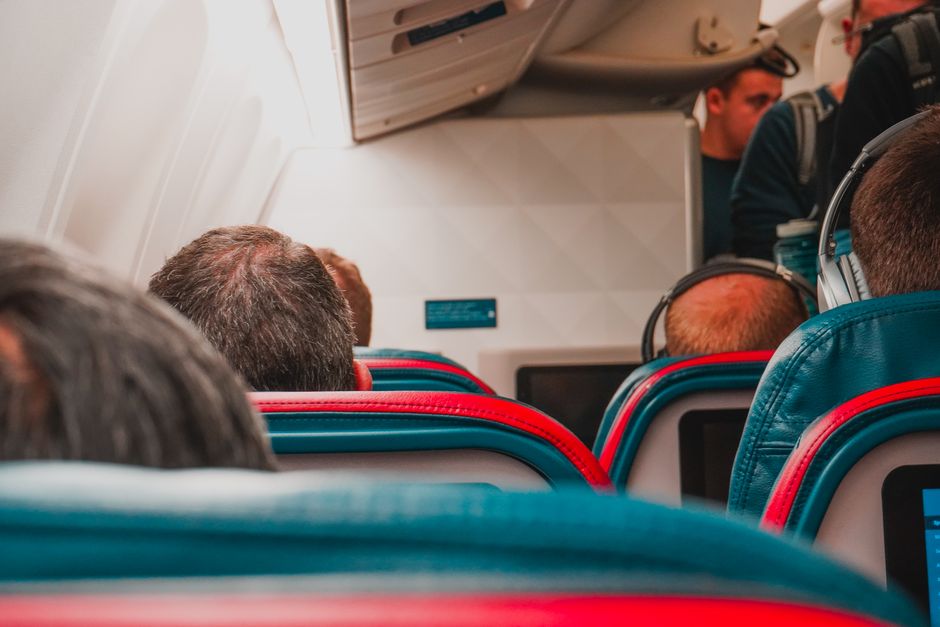
A bed inside economy
A small but growing category of airline seating gives long-haul passengers a way to lie down without moving into business or first class. Instead of installing a separate cabin or replacing the economy layout, carriers adapt an ordinary row of three or four seats into one continuous sleeping area. The result sits between a conventional economy seat and a premium-cabin bed, both in comfort and price.
The conversion can rely on movable leg supports that rise to meet the seat cushions, creating a broader and more level platform. Airlines may also supply a mattress or other sleep accessories. Because the underlying seats remain in place, the approach is less complicated and less costly for a carrier than removing rows and rebuilding the cabin around dedicated beds.
Buying the extra space does not usually bring a premium service package. Meals, attention from the crew and other onboard elements generally remain those of standard economy. For travelers chiefly interested in sleeping horizontally, that trade-off can be appealing: the purchase is focused on physical space rather than the wider collection of business- or first-class benefits.
Skycouch established the model
Air New Zealand brought its Skycouch fare to market in the early 2010s. The product combines three seats running from the window to the aisle, allowing the row to function as a sleeping surface. It can be used by a solo passenger, shared by two people, or arranged for three when a couple is traveling with a young child.
The option is currently found on certain long-distance services using the airline’s Boeing 777-300ER and Boeing 787-9 aircraft. Once converted, the surface is five feet and one inch long, equivalent to 1.55 meters. Its width is 29 inches, or 74 centimeters. Adjustable supports for each seat fill the leg area and help form the flat platform.
Passengers receive additional sleep materials and equipment designed for the arrangement. These include a liner placed over the seats, extra bed coverings and a dedicated kit with safety restraints. A specialized belt is also available for two people sharing the space. Together, these additions turn a familiar economy row into a more practical place to stretch out.
How travelers book it
Skycouch is not booked as a completely separate cabin class at the beginning of the purchase. A traveler first reserves a normal economy seat. During the later seat-selection process, an available couch can then be added for an extra charge. Access therefore depends on whether the product is offered on the flight and whether one remains open.
That structure preserves the economy experience while letting passengers selectively pay for more room. It also distinguishes the product from a business-class ticket: the principal upgrade is the ability to create a bed, rather than a bundle of premium services. For people who value sleep above lounge access or elaborate onboard extras, the arrangement offers a more targeted purchase.
More airlines join in
Air New Zealand’s idea proved influential enough for other carriers to license it. Across the years, at least ten airlines have introduced some form of flat sleeping arrangement within economy, and most of those products are still offered.
China Airlines launched Family Couch in 2014, several years after Skycouch appeared. It was installed aboard the carrier’s 777-300ER and Airbus A350-900 aircraft. The airline discontinued the option in 2018 after demand failed to meet expectations, showing that the concept has not succeeded equally everywhere. Azul Brazilian Airlines, Air Astana and Air Austral have also released their own interpretations.
The category is still expanding. United Airlines intends to begin introducing Relax Row next year, with plans for the product to reach 200 aircraft by 2030. That rollout would add another major carrier to a segment designed for passengers who want the most valuable feature of a premium seat—a horizontal sleeping position—while remaining in the main cabin.
- Skycouch is available on select Boeing 777-300ER and Boeing 787-9 long-haul flights.
- The sleeping surface measures five feet one inch by 29 inches.
- Travelers reserve economy first, then add Skycouch during seat selection if available.
- United Airlines plans to install Relax Row on 200 aircraft by 2030.
- China Airlines offered Family Couch from 2014 until 2018.
Source: Simple Flying ↗
Summarized from the reporting above. Read it for the full story.
Winter weeks, altitude, and a fire at the end of the day. Tell us what the trip should feel like and we'll shape complete options you can compare.
Ask 4Vacations →

Share this story