Boeing 737 MAX 10 Nears Certification for Major Airlines
Alaska expects FAA approval soon, but its first aircraft may not carry passengers until spring 2027.
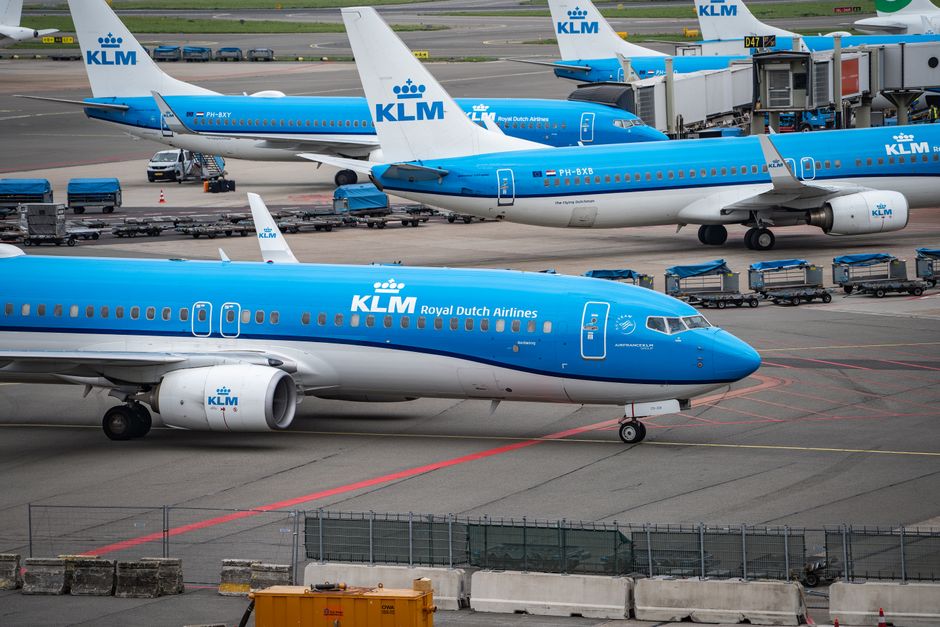
Approval may be close
The 737 MAX 10 appears to be approaching a decisive regulatory milestone after Boeing spent years waiting for approvals across several aircraft programs. Alaska Airlines expects the Federal Aviation Administration to certify the jet before September ends, placing the anticipated decision within the next six days. Boeing’s leadership has also recently indicated that approval should arrive soon, adding weight to the airline’s expectation.
The MAX 10 would follow the recently certified 737 MAX 7. That smaller model is especially important to Southwest, which has ordered hundreds and is almost alone among airlines in making a significant commitment to it. The MAX 10 has a much broader customer base, so its certification would affect fleet plans at numerous carriers rather than primarily one airline.
Flights will come later
Regulatory clearance for the aircraft itself will not put it into passenger service immediately. Alaska must still finish separate certification work for the pilots’ heads-up display. Executives at the airline expect that process to require several months, creating a sizable gap between the anticipated aircraft approval and the first commercial trip.
Alaska currently aims to begin flying its first MAX 10 during April or May of 2027. The Seattle-based oneworld airline is expected to introduce the model in the United States, while WestJet is positioned to operate it first globally. Those plans make certification an essential opening step, followed by airline-specific approvals and preparations before travelers can board.
The appeal for airlines
Within the 737 family, the MAX 10 offers the greatest passenger capacity and the least range. Because the variants use the same engine types, increasing the aircraft’s size involves a tradeoff in how far it can fly. For airlines that do not need the additional reach available from smaller versions, the longer model provides room for more passengers with only a modest increase in operating expense.
That combination is expected to give the MAX 10 the strongest economics per seat of any narrow-body aircraft Boeing has produced. The calculation still depends on demand: extra capacity delivers little benefit when an airline cannot sell enough of the seats. The model therefore makes the most sense on routes where carriers can regularly support a larger cabin without requiring the range of another variant.
Demand from airline buyers has nevertheless been substantial. The aircraft has accumulated nearly 1,500 firm orders. Alaska, American, Delta and United have each committed to 100 or more. Large purchases have also come from WestJet, Ryanair, Pegasus Airlines and Akasa Air, giving the program a customer roster that extends well beyond the United States.
More room for premium cabins
For travelers in the United States, the MAX 10’s added length may translate into a broader mix of higher-end seating rather than simply the densest possible layout. American and Delta each intend to fit at least 24 first-class seats, exceeding the first-class capacity found elsewhere in either carrier’s narrow-body fleet. Additional extra-legroom seating is also expected.
United still has a cabin-planning issue to resolve, but the overall direction among U.S. operators points toward layouts comfortably below 200 seats. If those plans hold, the aircraft could give passengers more opportunities to book first class or seats with additional space on domestic journeys. That passenger benefit would sit alongside the operating advantage airlines seek from spreading a flight’s costs across a larger cabin.
The approaching approval matters because it would allow Boeing and its airline customers to move from a prolonged certification effort into the final work needed for service. Yet the timeline for each carrier will depend on more than the FAA’s decision. Alaska’s display-related certification and its 2027 service target illustrate why the regulatory milestone, while consequential, is not the same as an immediate fleet debut.
- FAA certification is expected before the end of September.
- Alaska targets April or May of 2027 for initial service.
- WestJet is expected to become the first operator worldwide.
- The MAX 10 has nearly 1,500 firm orders.
- American and Delta each plan at least 24 first-class seats.
Summarized from the reporting above. Read it for the full story.
Winter weeks, altitude, and a fire at the end of the day. Tell us what the trip should feel like and we'll shape complete options you can compare.
Ask 4Vacations →


Share this story