737 MAX safety system now checks two angle sensors
A 5.5-degree mismatch disables MCAS and gives pilots a cockpit alert.
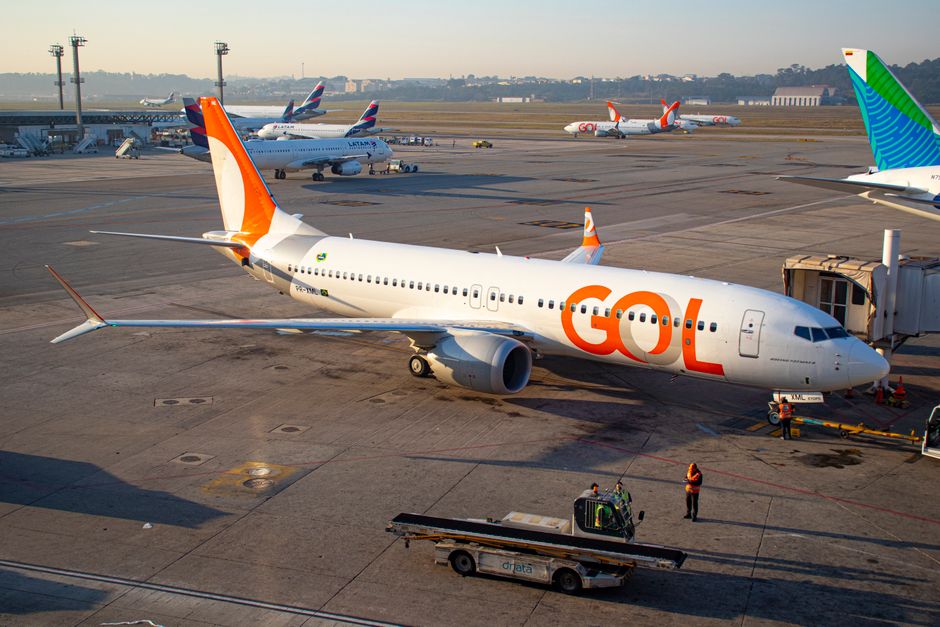
Why MCAS was created
The 737 MAX grew from Boeing’s effort to respond to the commercial success of the Airbus A320neo. Rather than fund a completely new airplane, Boeing adapted the existing 737 platform. The resulting MAX family used engines that were larger than those fitted to earlier versions of the 737.
The airframe’s limited clearance above the ground affected where those engines could go. Boeing placed them farther forward and higher on the wing to make room for their greater diameter. That arrangement changed how the airplane behaved aerodynamically, particularly during steep climbs and maneuvers involving substantial engine power. Flight testing showed that the MAX could raise its nose more forcefully than previous 737 models.
A sufficiently noticeable handling difference might have brought requirements for more simulator instruction or a distinct pilot type rating. Boeing instead developed software that would make the MAX behave more like the 737NG. Called the Maneuvering Characteristics Augmentation System, MCAS was designed to move the horizontal stabilizer and reduce an excessive nose-up tendency under particular conditions.
The original vulnerability
The first version of MCAS made its decision using information from only one angle-of-attack sensor. That device measured the airplane’s angle relative to the surrounding airflow. When its reading indicated an unusually high angle and a possible stall, the flight-control software could direct the nose downward.
That architecture left the system vulnerable to a bad measurement from a single device. During Lion Air flight 610 in 2018 and Ethiopian Airlines flight 302 in 2019, faulty sensor information triggered repeated nose-down commands. The jets were not nearing a stall, yet MCAS continued adjusting the stabilizer. Both accidents were fatal.
The crashes brought attention to a system that had previously attracted little notice beyond Boeing’s engineers. They also exposed problems involving the system’s design, its dependence on angle-of-attack information and how its operation had been explained to flight crews. Former Boeing engineers and aviation analysts who spoke with CNN later faulted the decision to depend on one sensor, noting that such devices could suffer defects.
Two readings now required
Boeing’s rewritten software uses both angle-of-attack sensors before MCAS can operate. The flight-control system compares their measurements instead of accepting one device’s reading as sufficient. This creates a cross-check at the point when the automated pitch response might otherwise become active.
A difference greater than 5.5 degrees prevents MCAS from functioning. The pilots are then notified through an AOA Disagree message on the cockpit display. That notification is enabled across the fleet, including airplanes whose operators did not purchase the optional AOA Gauge. Previously, access to the warning was optional.
The change directly addresses the failure path involved in the two crashes: one erroneous reading can no longer independently prompt MCAS to move the stabilizer. If the sensors conflict beyond the specified threshold, the automated system stays out of the event and gives the crew a visible indication that the measurements do not agree.
Limits on automated control
The revision also changes how frequently MCAS may intervene. During one event involving a high angle of attack, the software is restricted to a single activation. The earlier design could issue nose-down instructions repeatedly when it continued receiving incorrect data.
Boeing has also capped the strength of the nose-down adjustment. MCAS cannot now apply more input than pilots can overcome manually by pulling on the control column. Together, the one-activation rule and the authority limit reduce the possibility that repeated automated stabilizer movement will overpower the crew’s efforts.
Pilot preparation for the 737 MAX was improved as part of the broader response. Before the crashes, crews lacked awareness of MCAS, despite the role it could play in controlling pitch. The redesigned system therefore combines sensor comparison, a universal cockpit warning, constrained activation and pilot-overridable control authority. For travelers, those protections describe how the airplane now handles the specific chain of events revealed by the accidents.
- MCAS now compares both angle-of-attack sensors before activating.
- A difference above 5.5 degrees keeps MCAS inactive.
- Every MAX displays the AOA Disagree warning, even without the optional gauge.
- MCAS may activate only once during one high-angle-of-attack event.
- Pilots can counter the revised system using the control column.
Source: Simple Flying ↗
Summarized from the reporting above. Read it for the full story.
Winter weeks, altitude, and a fire at the end of the day. Tell us what the trip should feel like and we'll shape complete options you can compare.
Ask 4Vacations →


Share this story