GLP-1 Drugs Gain Ground Across America
About one in eight Americans now takes a GLP-1 drug as researchers study additional uses.
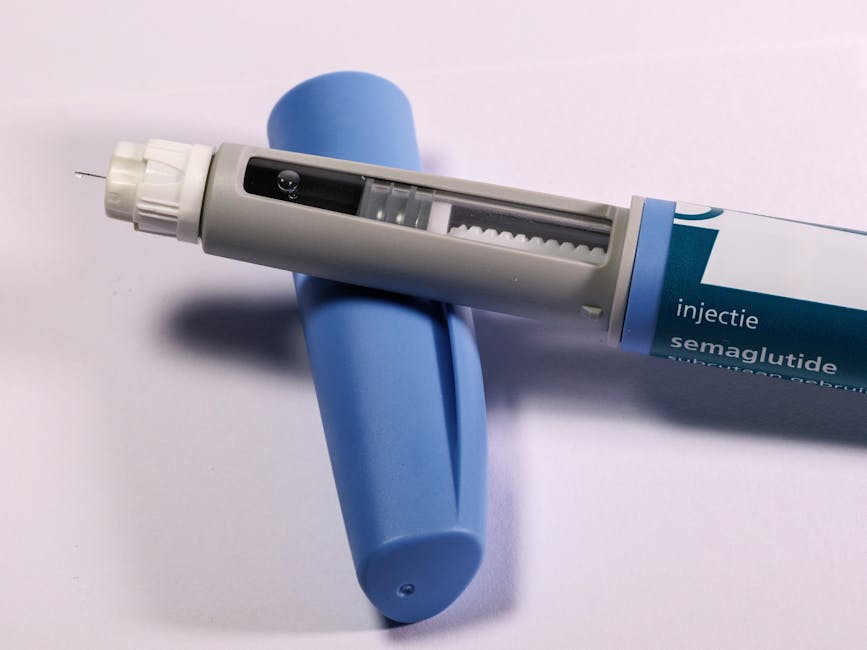
GLP-1 medications are now used by roughly one in eight Americans. Known by brands including Wegovy and Ozempic, they help control diabetes and can produce substantial weight loss. Some patients shed as much as one-quarter of their body weight. The medicines act on the brain, curbing appetite, cravings and persistent thoughts about food. Doctors have also observed less inflammation and better cardiovascular health.
The treatment grew from research into the GLP-1 hormone, which supports blood-sugar regulation by prompting insulin release. A similar molecule found in Gila monster venom helped scientists create the first human diabetes treatment in this category, which received FDA approval in 2005. A GLP-1 developed specifically for weight loss followed in 2014. Researchers are now examining possible applications involving addiction and other conditions.
The rapid adoption comes with practical concerns for Simi Valley families and other patients. Nausea, vomiting and diarrhea are among the side effects, while some people lose important muscle mass. Rare cases of eye injury and blindness have been reported, and thousands of patients have sued manufacturers over allegations that risk warnings were inadequate. One study found that as many as three-quarters of users discontinue treatment during the first year, often regaining weight soon afterward.
Cost and coverage also shape access. Without insurance, monthly spending can exceed $1,000, and some employers and insurers have ended coverage as enrollment has grown. Government agreements and programs have reduced the price to $50 per month for certain people, though availability remains uneven. Future coverage will examine access disparities, potential addiction treatments and the cultural effects of powerful weight-loss medicines. One projection places the worldwide GLP-1 market at $200 billion by 2030.
- The first human GLP-1 diabetes drug received FDA approval in 2005.
- A weight-loss-specific GLP-1 was approved in 2014.
- Some patients lose up to one-quarter of their body weight.
- Uninsured patients may pay more than $1,000 monthly.
- Some government programs reduce costs to $50 monthly.
Summarized from the reporting above. Read it for the full story.

Curious what your home is worth this fall? Ask for a free home value review with recent sales on your street.
The local movers, painters and handymen our clients have used. Ask and we'll send it, no strings.
Get the list →


Share this story