California’s Universal Child Care Plan Faces Hurdles
Some states offer child care at no cost to all families, while California targets aid by income.
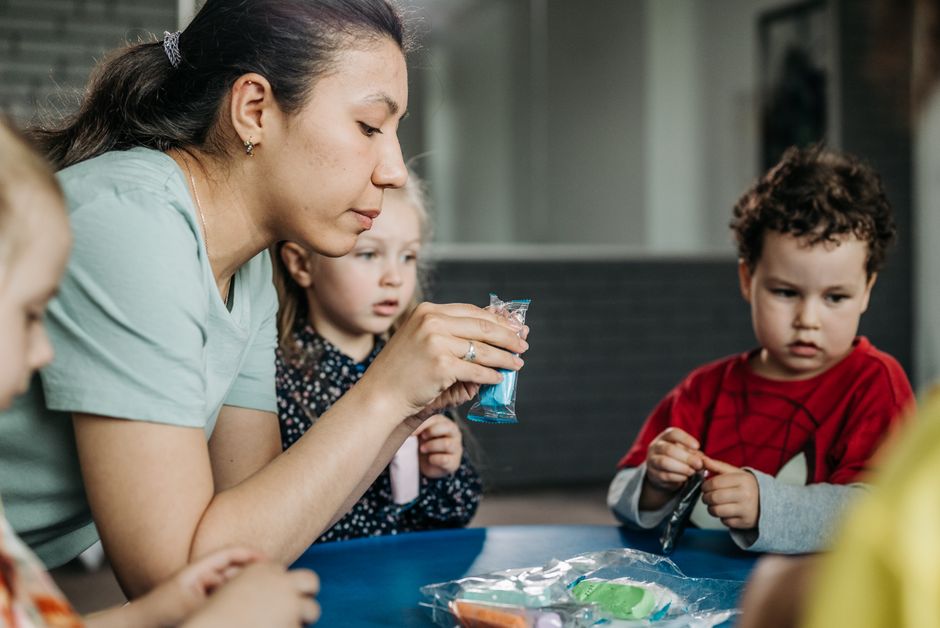
California has greatly expanded child-care and preschool help for lower-income households, but providing free care to every family would require a much larger undertaking. Care for infants and toddlers can exceed $30,000 annually, depending on the region, while many centers have waiting lists lasting months. For Simi Valley homeowners, commuters and parents, those costs can surpass a mortgage or rent payment and influence whether a parent remains employed.
Creating a universal system could cost as much as $21 billion each year, according to estimates from Stanford economists. California would also need more child-care employees, sufficient pay for those workers and a statewide structure connecting licensed centers, local babysitters and other existing providers. Assembly Majority Leader Cecilia Aguiar-Curry said such a transformation could require years. No universal child-care legislation is currently moving forward, though recent measures have covered parental leave and conditions for subsidized care.
The state is continuing narrower expansions. Since 2018, vouchers for lower-income families have more than doubled. A household of four can now qualify for free preschool with yearly income up to $136,000, and transitional kindergarten covers every 4-year-old. Preschool financing has also moved into the funding system used for K-12 education, while additional spaces were created for children of employees at school districts, county education offices and community colleges.
Quality remains another obstacle. UC Berkeley education professor Bruce Fuller said strong programs especially help children in lower-income households, but weaker care produces limited gains. He supports gradual growth, beginning with state-funded preschool for 3-year-olds from low- and middle-income families. Vacant K-12 classrooms created by enrollment declines could provide space for that expansion.
- Infant and toddler care can exceed $30,000 annually.
- Universal coverage could cost up to $21 billion each year.
- Child-care vouchers have more than doubled since 2018.
- Free preschool eligibility reaches $136,000 for a family of four.
- Transitional kindergarten is available to every 4-year-old.
Summarized from the reporting above. Read it for the full story.

Curious what your home is worth this fall? Ask for a free home value review with recent sales on your street.
The local movers, painters and handymen our clients have used. Ask and we'll send it, no strings.
Get the list →


Share this story