Wild or Farmed Salmon: What Matters for Your Health
A dietitian outlines considerations for choosing between the two types.
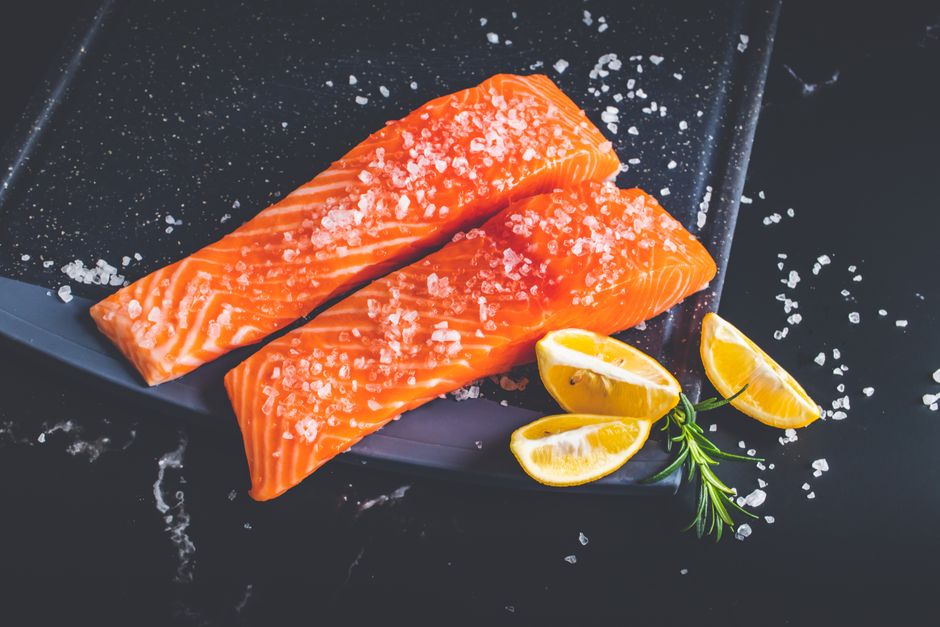
Both wild-caught and farm-raised salmon provide protein and omega-3 fatty acids that support the heart, brain, eyes, immune system, overall wellness, and healthy aging. Salmon can also be filling and versatile. Lauren Manaker, MS, RDN, LD, notes that species, feed, and where the fish lived or was caught can produce modest nutritional differences.
USDA figures show that wild Atlantic salmon contains 0.35 grams of EPA per 3-ounce portion, while DHA totals 1.22 grams. In the same serving size of farmed Atlantic salmon, EPA reaches 0.59 grams; DHA comes to 1.24 grams. EPA and DHA are the primary omega-3 forms supplied by oily fish. Wild salmon is generally leaner and lower in total fat, while prepared feed—including a shift toward plant oils—affects the fat profile of farmed fish. Some data also points to a more favorable balance between omega-3 and omega-6 in wild salmon.
Color does not indicate that farmed salmon has been dyed. Wild fish obtain pink carotenoid pigments through their natural food, while farmed fish receive comparable pigments in supplemented feed. Contaminants may occur in either type, with levels differing by source, so wild salmon is not automatically the purer choice.
The larger health distinction is less dramatic than the debate suggests: both choices supply valuable nutrients. For sustainability information, packaging can offer useful signals. The Marine Stewardship Council’s MSC ecolabel identifies wild salmon from sustainable fisheries. For farmed fish, an Aquaculture Stewardship Council label indicates an assessment covering areas including water quality, feed sourcing, antibiotic use, fish health, and environmental effects. The American Heart Association recommends roughly two weekly fish servings, though CDC information shows that average consumption remains below that level and many people eat none during a given week.
- AHA recommends about two fish servings weekly.
- Wild Atlantic salmon: 0.35 grams EPA and 1.22 grams DHA per 3 ounces.
- Farmed Atlantic salmon: 0.59 grams EPA and 1.24 grams DHA per 3 ounces.
- MSC marks sustainable wild fisheries; ASC evaluates farmed salmon standards.
Summarized from the reporting above. Read it for the full story.

Our one-page guide to chair height, screen height and where your feet go. Free at the front desk or by request.
A first consultation is free for new patients, including a take-home handout of that day's stretches.
Book a first visit →


Share this story