Sleep Problems May Alter Brain Areas Tied to Daily Thinking
A review of 57 imaging studies found patterns shared across disorders and others unique to each condition.
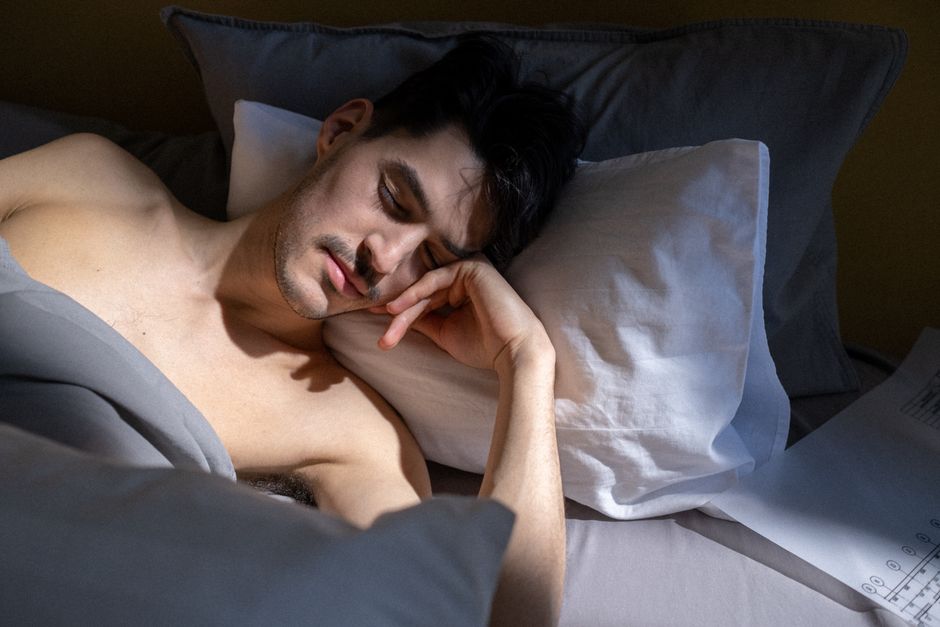
Florida International University researchers combined results from 57 adult brain-imaging studies covering several kinds of disturbed sleep. The conditions were divided into dyssomnias, including insomnia and sleep apnea, and parasomnias, including sleepwalking, nightmare disorder, and sleep terrors. An estimated 50 million to 70 million Americans live with sleep disorders, underscoring the potential reach of the findings.
Across both categories, smaller areas were found in the thalamus, including a section called the pulvinar. The thalamus helps with information processing, attention, and complex thought, while the pulvinar supports attention and control over thoughts and actions during tasks. These structural differences occurred within broader networks used for concentration, decisions, and reactions to the environment. They may help account for slower responses, decision difficulties, mistakes, and accidents among people with sleep disorders.
Parasomnias had an additional distinct pattern: differences appeared in the posterior cingulate cortex, which contributes to motivation, choices, and emotional regulation. That association may relate to mood, behavioral, or emotional-control difficulties accompanying recurring nightmares, sleepwalking, and sleep terrors. No structural pattern appeared consistently and only among dyssomnias. The analysis established associations, not whether sleep disruption changes the brain, preexisting differences contribute to sleep disorders, or both processes occur. Researchers plan closer study of individual parasomnias, including sleepwalking and REM sleep behavior disorder, as they work toward improved recognition and more personalized treatment approaches.
- The analysis combined 57 adult brain-imaging studies.
- An estimated 50 million to 70 million Americans experience sleep disorders.
- Dyssomnias include insomnia and sleep apnea.
- Parasomnias include sleepwalking, nightmare disorder, and sleep terrors.
- Future research will examine sleepwalking and REM sleep behavior disorder.
Source: ScienceDaily: Nutrition ↗
Summarized from the reporting above. Read it for the full story.

Our one-page guide to chair height, screen height and where your feet go. Free at the front desk or by request.
A five-minute check of your everyday posture at your desk, in the car, and on your feet. No obligation, no pressure.
Reserve a spot →


Share this story