Exercise for Staying Steady With Age
The advice focuses on training for more than muscle as the years add up.
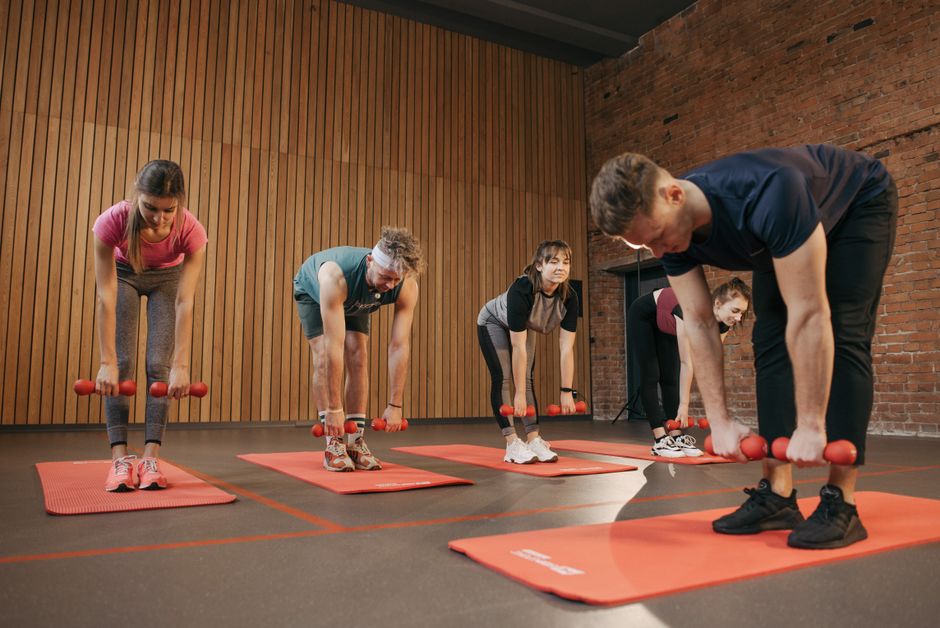
Staying steady involves more than having strong muscles. Balance helps people adjust their position, respond to an unexpected trip, and move safely across everyday surfaces. A review examined whether organized exercise could improve these abilities in older adults living independently with ongoing health conditions.
The review combined 14 randomized trials involving 857 participants. Their conditions included joint and muscle problems, neurological issues, and heart or metabolic concerns. Programs ranged from Tai Chi and targeted balance sessions to other supervised physical activities, with results compared against usual care.
Exercise participants performed better on the One-Leg Stance test and the Timed Up and Go assessment, which involves rising from a chair, walking, turning, and sitting again. Gains were greater in dedicated balance programs and among people with musculoskeletal conditions, although those comparisons were preliminary. The findings do not show whether exercise lowers falls or fear of falling, and better test results may not always produce obvious changes in daily life. They do support treating balance practice as a complement to strength work, because steadiness depends on coordination among muscles, the brain, and the senses.
- 14 randomized trials included 857 independently living older adults.
- Programs included Tai Chi, balance exercises, and guided physical activity.
- Exercise improved One-Leg Stance and Timed Up and Go results.
- The review could not determine whether exercise reduced falls.
Source: mindbodygreen ↗
Summarized from the reporting above. Read it for the full story.

Our one-page guide to chair height, screen height and where your feet go. Free at the front desk or by request.
A five-minute check of your everyday posture at your desk, in the car, and on your feet. No obligation, no pressure.
Reserve a spot →


Share this story