Protein and Strength Workouts Help Older Adults Keep Muscle
A review of controlled trials found the pairing supported strength, movement and independence better than either approach alone.
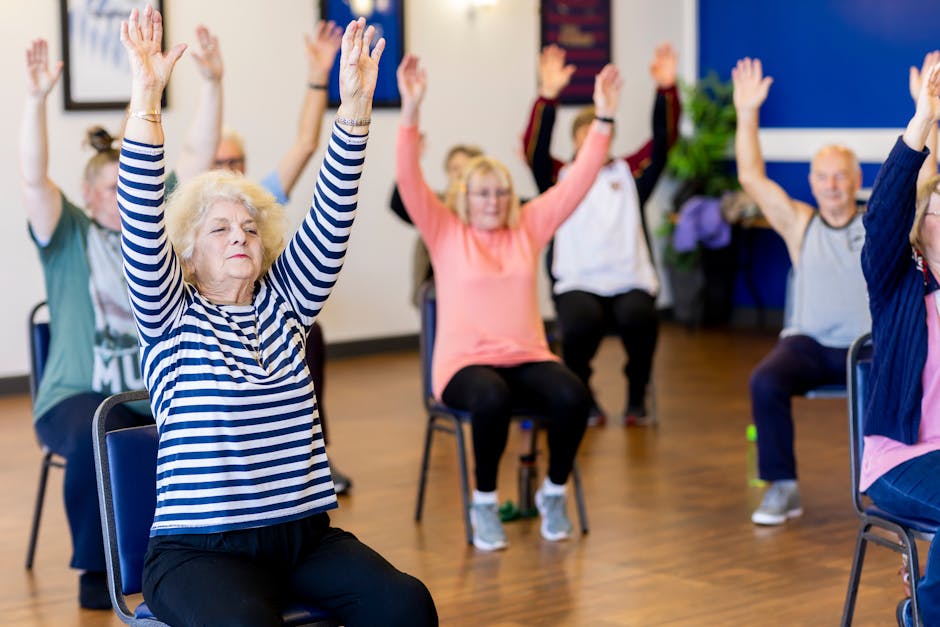
A broad review of controlled studies involving older adults found that resistance exercise paired with greater protein intake produced the most reliable gains in muscle size, strength, walking speed and everyday physical ability. The pattern was seen across community residents, frail adults, people with sarcopenia and hospitalized patients.
The findings matter because aging muscles respond less strongly to protein, a change known as anabolic resistance. Exercise appears to make muscle tissue more responsive, helping protein contribute more effectively to rebuilding and maintaining strength. Protein by itself still helped some people with sarcopenia improve muscle measurements and walking speed, but the added exercise was linked with better handgrip strength as well.
The research covered several approaches, including whey, leucine, creatine, dairy foods, broader nutrient products and organized exercise programs. The article notes a general protein target of at least 100 grams daily for many people, while some experts suggest as much as 1 gram per pound of body weight. It also emphasizes that protein quality matters, especially foods containing leucine.
- The review included studies conducted over multiple decades.
- Participants included adults with diagnosed sarcopenia.
- Protein sources containing leucine may better stimulate muscle building.
- Resistance exercise improved the effect of protein on muscle function.
Summarized from the reporting above. Read it for the full story.

Our one-page guide to chair height, screen height and where your feet go. Free at the front desk or by request.
A five-minute check of your everyday posture at your desk, in the car, and on your feet. No obligation, no pressure.
Reserve a spot →

Share this story